
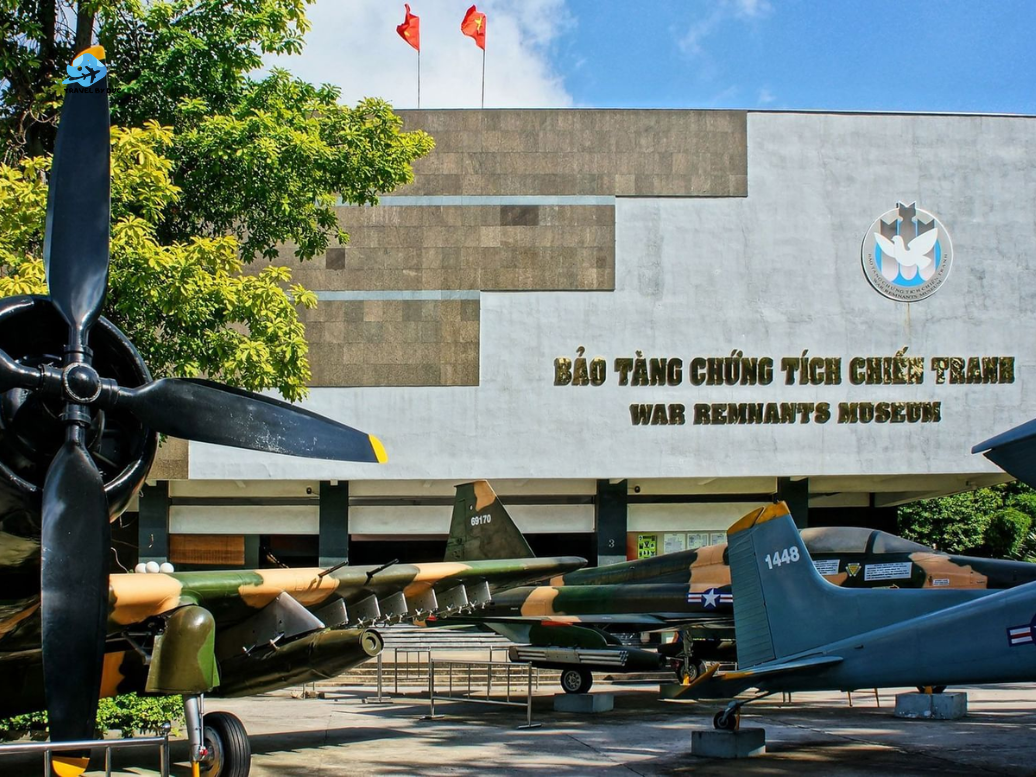
Walking into the war remnants museum Ho Chi Minh did not feel like stepping into a traditional attraction. There was no sense of urgency to move quickly, no checklist to complete. Instead, the visit unfolded slowly, almost quietly, allowing history to reveal itself layer by layer. I came in as a traveler curious about Vietnam, but I left with a deeper awareness of how the past still breathes within the present. The museum did not demand emotional reactions. It simply presented stories, images, and spaces that encouraged reflection, letting understanding form naturally over time.
Experiencing war remnants museum Ho Chi Minh as a reflective journey rather than a typical museum visit
Visiting the war remnants museum Ho Chi Minh did not feel like stepping into a place designed for quick understanding. From the moment I walked through the entrance, the pace of my day shifted without effort. This was not a space that invited scanning exhibits or rushing from room to room. Instead, it asked for presence. The museum felt less like an attraction and more like a pause within the city, where movement slowed and attention naturally narrowed. As a traveler, I wasn’t trying to collect facts or complete a cultural checklist. I found myself absorbing the atmosphere quietly, letting the weight of the space guide how long I stayed and where I stopped. The experience unfolded gently, reminding me that some parts of travel are meant to be felt before they are understood.
Entering a space where time feels suspended
Inside the war remnants museum Ho Chi Minh, time seemed to stretch in unexpected ways. The noise of traffic outside faded quickly, replaced by a stillness that made each step feel deliberate. Moving through the galleries, I noticed how my sense of urgency disappeared. I wasn’t thinking about what came next on my itinerary. Instead, moments lingered. Photographs, written accounts, and preserved spaces created a quiet tension that held my attention without demanding reaction. It felt as though the museum existed slightly outside the present, allowing past and present to coexist in the same breath. That suspension of time created room for reflection, making the visit feel personal rather than instructional.
Why moving slowly matters more than seeing everything
What stayed with me most was not the number of rooms I visited, but the decision to move slowly through the war remnants museum Ho Chi Minh. I skipped nothing intentionally, yet I also didn’t try to see everything. By allowing myself to pause, reread, and sit with certain moments longer than others, the experience became more meaningful. Slowness turned observation into connection. Instead of leaving with an overload of information, I walked away with a quieter understanding that continued to surface later in my journey. In that way, the museum became less about completion and more about depth, reinforcing the idea that some travel experiences reveal themselves only when time is no longer treated as something to manage.
The best boutique hotels in Ho Chi Minh
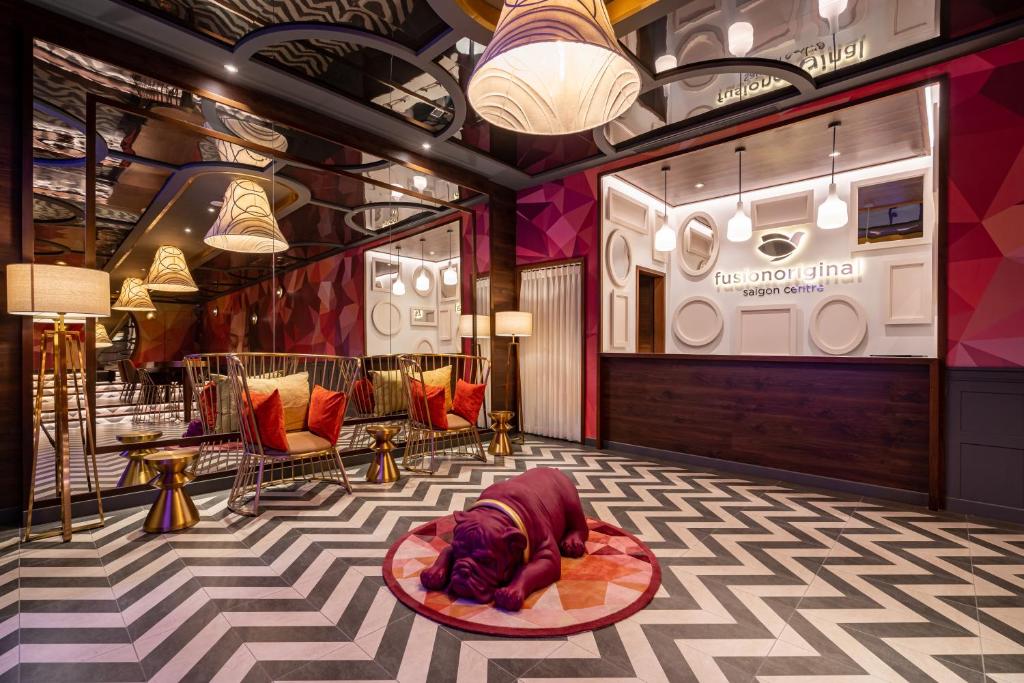
Fusion Original Saigon Centre
Located in central Ho Chi Minh City, Fusion Original Saigon Centre features free Wi-Fi, a restaurant, bar, outdoor pool, fitness center, and sauna. It’s a non-smoking hotel just a 3-minute walk from Takashimaya Vietnam.
Price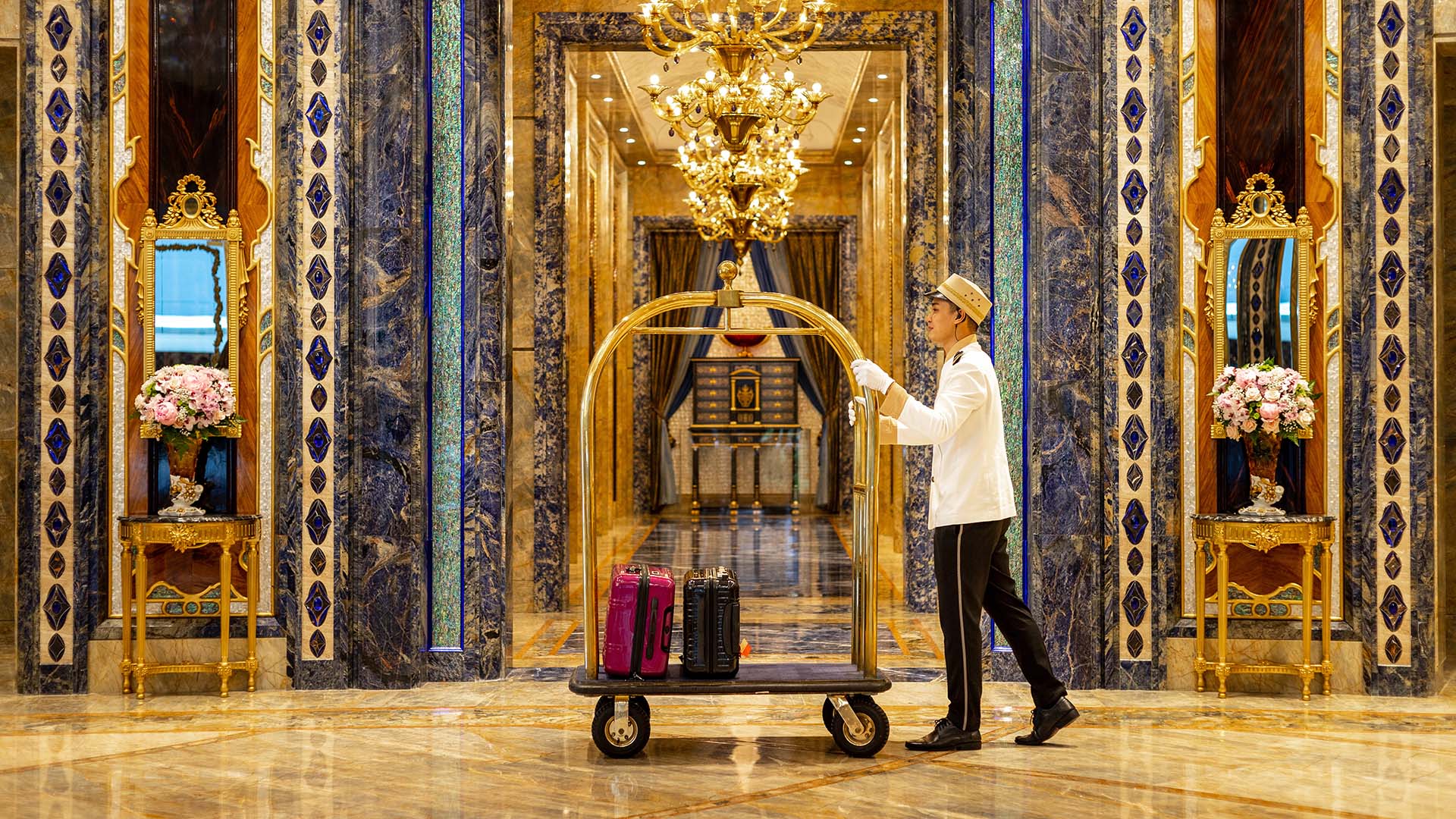
The Reverie Saigon
Located in District 1, The Reverie Saigon offers luxurious rooms with free Wi-Fi, an outdoor pool, spa, fitness center, and on-site restaurant serving Asian and Western dishes — just minutes from major landmarks.
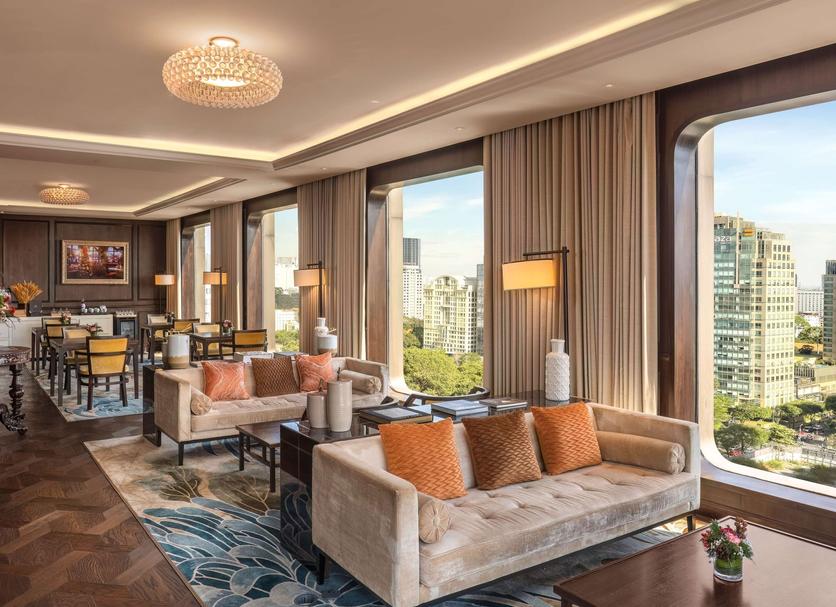
Hôtel des Arts Saigon – MGallery
Located in vibrant Ho Chi Minh City, Hotel Des Arts Saigon Mgallery Collection offers pet-friendly accommodation with free Wi-Fi, an outdoor pool, restaurant, bar, and 24-hour front desk — just steps from major attractions.
PriceHow personal perspective quietly shapes the way history is received inside war remnants museum Ho Chi Minh
Walking through the war remnants museum Ho Chi Minh, I became aware that history does not arrive as a fixed narrative. It arrives filtered through who we are, where we come from, and what we carry with us as travelers. My perspective was not shaped by academic study or deep historical knowledge, but by movement, curiosity, and emotional openness. That personal lens influenced how I received each room and each story. Rather than trying to understand everything at once, I noticed how certain moments resonated more strongly than others. The museum did not feel like a place that demanded conclusions. Instead, it allowed history to settle differently for each visitor, shaped quietly by individual experience rather than instruction.
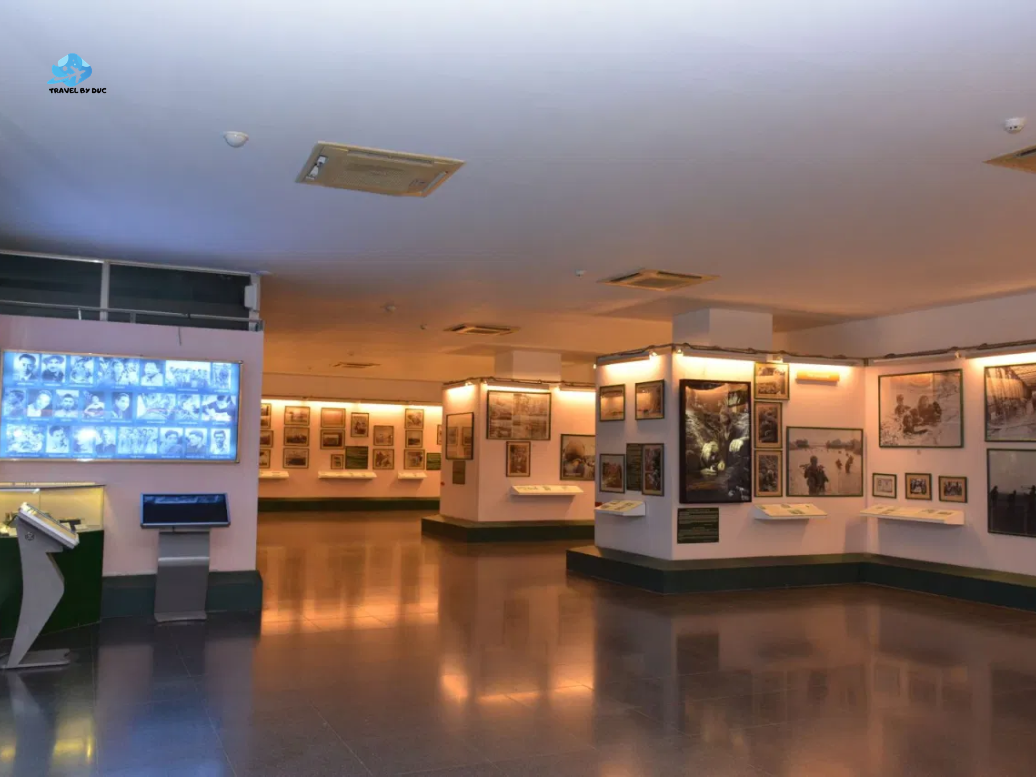
Viewing exhibits through the lens of a traveler not a historian
Experiencing the war remnants museum Ho Chi Minh as a traveler meant accepting that I would never have full context. I wasn’t there to analyze timelines or compare interpretations. I was there to observe, to feel, and to listen in my own limited way. That distance actually created clarity. Without the pressure to fully understand, I allowed myself to respond honestly to what I saw. Some exhibits held my attention longer, not because I understood them better, but because they connected to emotions I recognized. The museum became less about mastering information and more about acknowledging how history intersects with personal awareness during travel.
Letting context replace judgment
One of the most meaningful shifts during my visit to the war remnants museum Ho Chi Minh was learning to let context replace judgment. Instead of labeling experiences or forming opinions too quickly, I allowed the environment to speak on its own terms. The stories did not ask for agreement or disagreement. They asked for presence. By stepping back from judgment, I found myself more open to reflection. The museum became a space where understanding grew slowly, without force. That approach stayed with me afterward, influencing how I observed the city beyond the museum walls. History, in that sense, did not end at the exit. It continued quietly, shaped by context rather than conclusions.
War remnants museum Ho Chi Minh as a quiet turning point that slowly reshaped my travel journey
The visit to war remnants museum Ho Chi Minh did not feel dramatic in the moment, yet it quietly shifted the direction of my journey. I walked in expecting to learn, but I walked out carrying something heavier and more personal. The museum became a pause where movement stopped and attention deepened. It wasn’t about adding another attraction to my itinerary or checking off a list of Vietnam attractions Ho Chi Minh. Instead, it created a turning point where travel stopped being about collecting impressions and began to feel more reflective. From that moment on, the city felt layered, as if every street and sound carried an echo of something unseen. The experience stayed subtle, but its influence followed me long after I left the building.
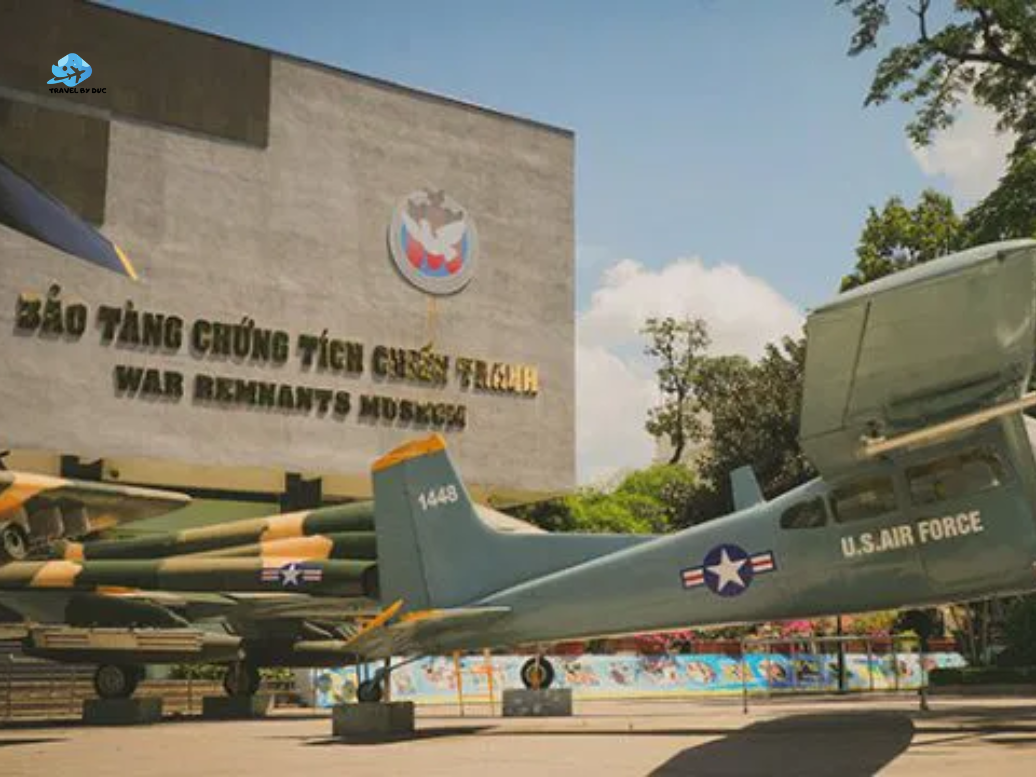
When observation becomes reflection
Inside the war remnants museum Ho Chi Minh, I noticed the moment when simple observation turned into reflection. At first, I was just looking, moving from room to room, reading selectively, absorbing images without intention. Slowly, that distance closed. I began to linger longer, not because I needed more information, but because certain scenes asked for stillness. Reflection arrived quietly, without effort. I wasn’t analyzing history; I was sitting with it. That shift changed how time felt inside the museum. Minutes stretched, and silence became part of the experience. It reminded me that some places are meant to be felt rather than understood, especially when traveling through a country with a past so deeply woven into daily life.
Carrying historical awareness into the rest of the city
Leaving the war remnants museum Ho Chi Minh, I realized that the visit didn’t end at the exit. The awareness it created followed me into the streets, cafés, and everyday moments that came afterward. The city looked the same, yet it felt different. Ordinary scenes carried more weight, not in a heavy way, but in a grounded one. I became more attentive, more patient, and less eager to rush through experiences. That historical awareness didn’t demand constant reflection, but it gently informed how I observed everything else. In my travel diary, this moment stands out not as a highlight, but as a quiet shift that changed how the rest of Ho Chi Minh City was seen and remembered.
Read more:
Ho Chi Minh City zoo as a pause between busy travel days
Saigon shooting as part of a modern travel rhythm
Conclusion
The visit to war remnants museum Ho Chi Minh did not define my trip, but it quietly reframed it. It offered no sense of closure, only a deeper awareness that stayed with me as I continued moving through the city. After leaving, travel felt less about momentum and more about attention. The museum became a silent reference point, reminding me that understanding a place sometimes begins with listening rather than looking. In that way, it shaped my journey not through intensity, but through presence, leaving space for reflection to unfold naturally alongside everyday travel moments.
Duc
I'm a traveler who was born and raised right here in Vietnam. For decades, I’ve been exploring, and for me, traveling is much more than seeing sights.
Today, through my blog, Travel by Duc, my mission is simple: to be a genuine resource to help you travel smarter, explore the world with confidence, and find a deeper sense of connection wherever you go.
The world is waiting, and I look forward to exploring it together!