When I first began searching for the best izakaya Saigon, I did not expect it to feel like uncovering a secret. Saigon is often introduced through its energy — motorbikes, street vendors, bright lights, and endless motion. Yet somewhere behind narrow staircases, discreet wooden doors, and softly lit interiors, another version of the city quietly reveals itself.
The best izakaya Saigon is not loud or flashy. It lives in the details — the hum of low conversation, the rhythm of plates arriving one by one, the subtle smoke rising from a charcoal grill. These spaces feel less like restaurants and more like private corners of modern Saigon. Sitting at a small wooden counter, I felt as if I had stepped into a layer of the city that does not compete for attention. It simply exists for those willing to look closer.
Unlike the immediate accessibility of street food, discovering the best izakaya Saigon requires intention. It is an experience shaped by patience, atmosphere, and the quiet ritual of sharing small plates. In these moments, I began to see Saigon not only as a city of speed, but also as a city capable of intimacy and restraint.
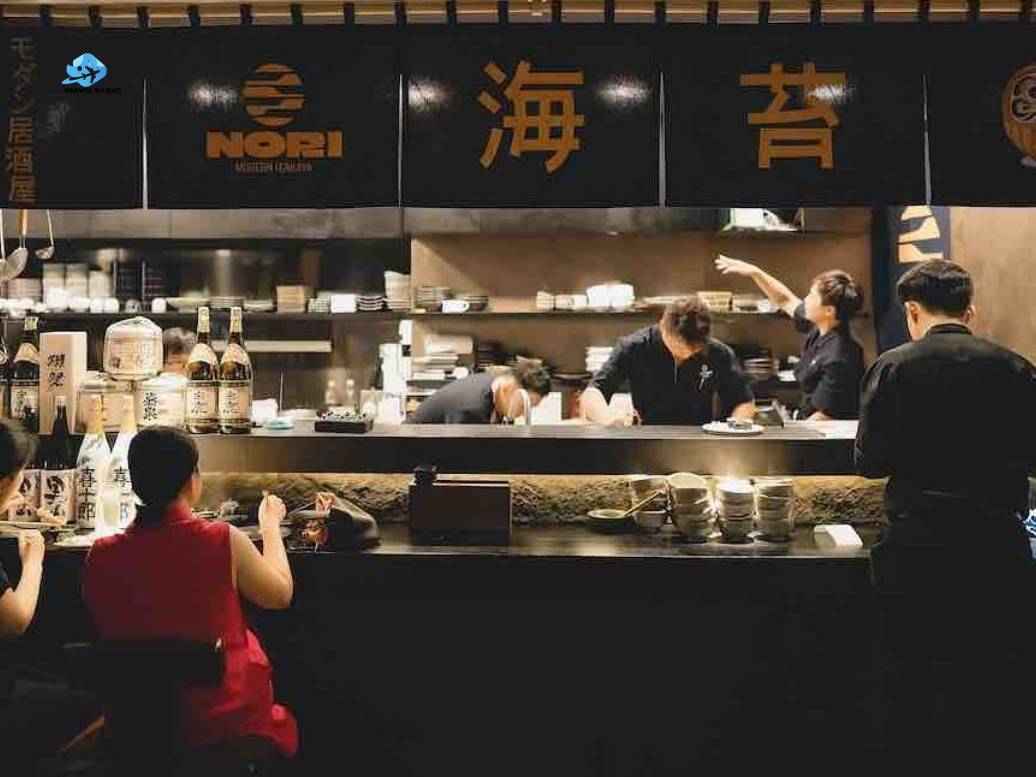
Discovering the best izakaya Saigon through hidden doorways soft lighting and intimate wooden spaces
One of the first things I noticed while searching for the best izakaya Saigon was how easy it would be to walk past them. There are no oversized signs or dramatic entrances. Instead, there are quiet staircases, sliding wooden doors, and small lanterns glowing against the night air. In a city that rarely slows down, these subtle entrances feel intentional — almost protective. Stepping inside, the noise of traffic fades, replaced by low conversation and the gentle clink of glasses.
The physical space plays a powerful role in shaping what the best izakaya Saigon truly means. The ceilings are often low, the tables close together, the lighting warm rather than bright. It creates a sense of privacy without isolation. I found myself speaking more softly, paying more attention to each dish, each movement of the chef behind the counter. In these intimate interiors, dining feels personal. The design does not try to impress; it tries to embrace. And that quiet embrace is what makes the best izakaya Saigon feel like a hidden side of the city, reserved for those willing to step away from the obvious.
Izakaya Unatoto and the quiet comfort of grilled eel traditions
At Izakaya Unatoto, the scent of grilled eel reaches you before the menu does. The aroma is deep, slightly sweet, and comforting in a way that feels almost nostalgic, even if you have never tasted it before. This is where I began to understand how the best izakaya Saigon can revolve around simplicity. Instead of offering an overwhelming selection, Unatoto focuses on doing one thing exceptionally well.
Sitting at the narrow counter, I watched the eel slowly caramelize over heat, brushed carefully with sauce in steady layers. There was no rush. The chef’s movements were controlled, almost meditative. In that moment, the best izakaya Saigon did not feel like a trend or a checklist item for travelers. It felt like discipline and patience translated into flavor.
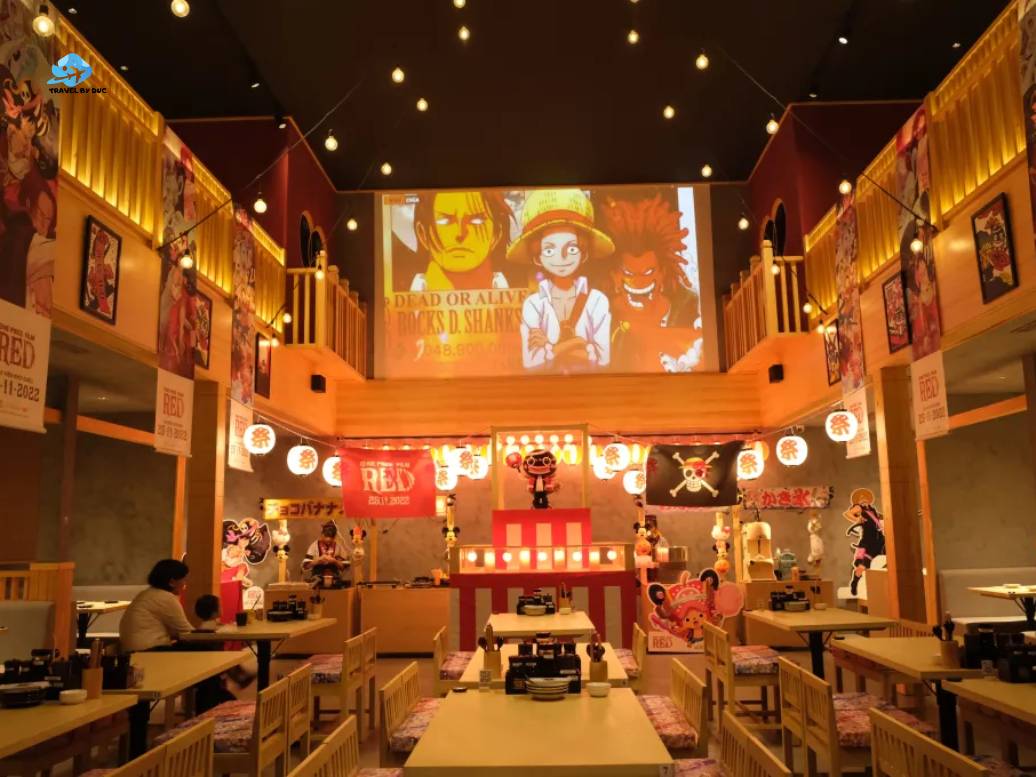
The compact layout adds to the experience. You are close enough to observe every detail — the texture of the grill, the sheen of the glaze, the steam rising from rice. That closeness creates a quiet connection between diner and chef. Eating there felt grounding. The meal was not extravagant, but it lingered in memory long after I stepped back into the Saigon night.
Me Tetsu Izakaya and the warmth of after work gatherings
If Unatoto feels focused and contemplative, Me Tetsu Izakaya feels warm and communal. Walking in, I immediately sensed a different rhythm. Wooden tables filled with small groups, soft laughter blending with the sound of skewers turning over charcoal, glasses of beer and sake catching the light. Here, the best izakaya Saigon reveals itself through atmosphere as much as flavor.
I sat among office workers who had clearly made this their regular spot. There was familiarity in the way they ordered, in the way the staff greeted them. Plates of yakitori arrived steadily — chicken, pork, vegetables — each slightly smoky, slightly charred, perfect for sharing. In this setting, the best izakaya Saigon is not about exclusivity or refinement alone. It is about belonging.
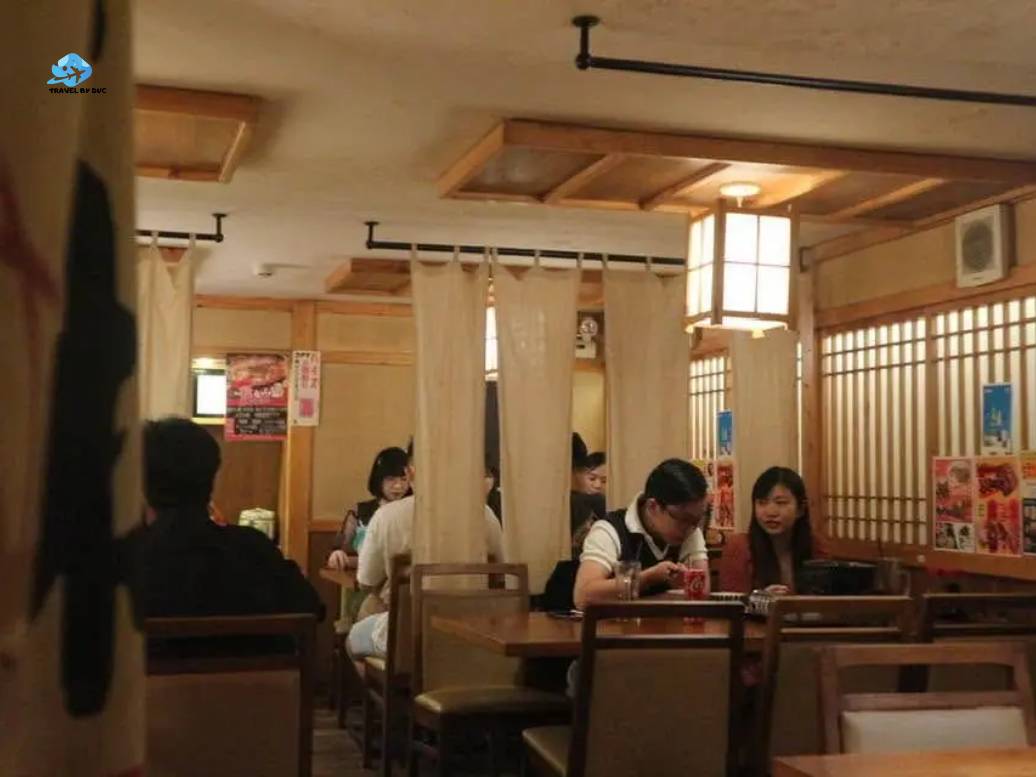
What struck me most was how naturally Japanese dining culture fits into Saigon’s urban life. The city is known for its street food and open air energy, yet inside Me Tetsu, the mood shifts. Time stretches. Conversations deepen. I realized that the best izakaya Saigon is not simply imported cuisine; it has woven itself into the everyday routines of locals and expats alike.
Leaving Me Tetsu that night, I did not feel like I had discovered something flashy or dramatic. Instead, I felt as if I had stepped briefly into a quieter rhythm of the city. And perhaps that is what defines the best izakaya Saigon — not spectacle, but the gentle comfort of shared space, shared plates, and unspoken understanding.
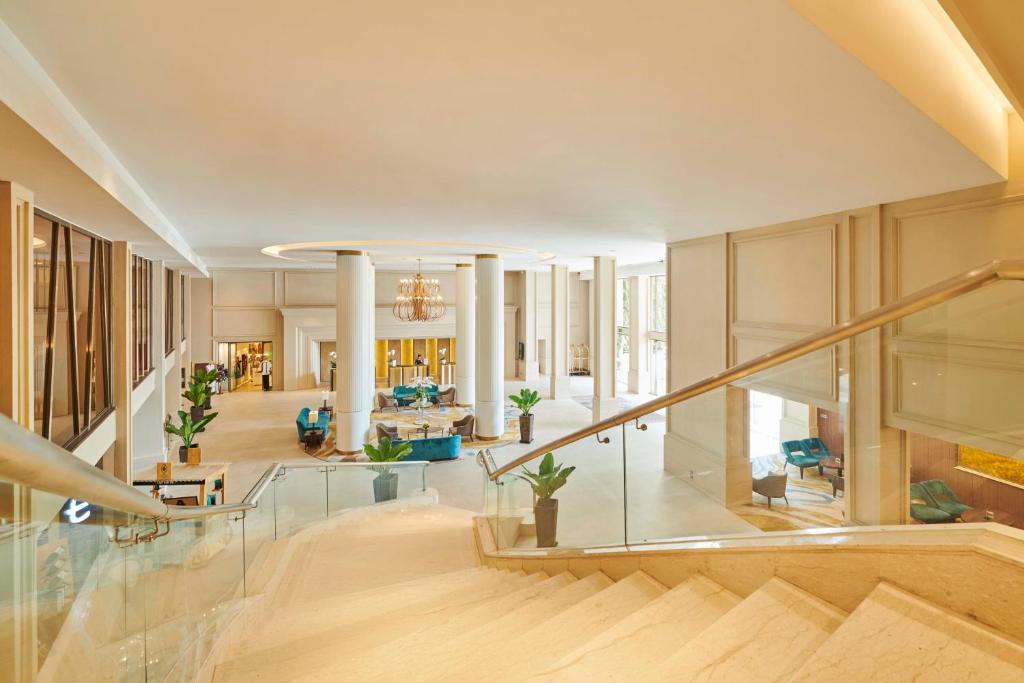
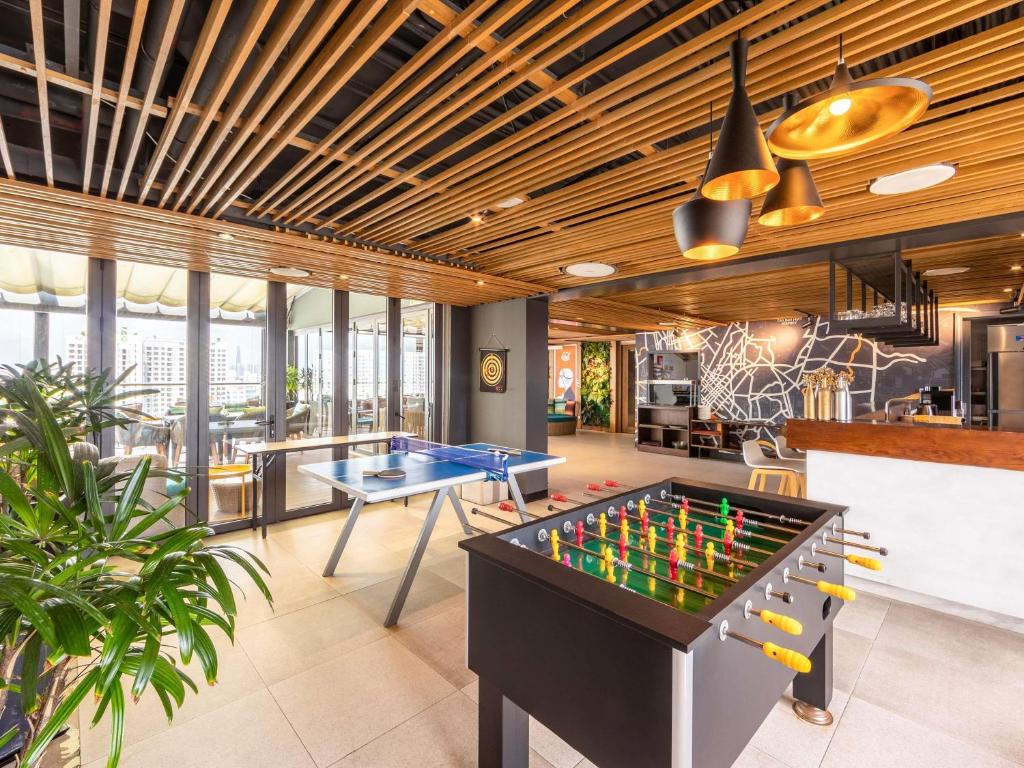
How small plates layered flavors and thoughtful pacing define the emotional rhythm of the best izakaya Saigon experience
One evening, as I moved from one izakaya to another, I began to understand that the best izakaya Saigon is not only about what is served, but how it unfolds. Unlike a structured fine dining meal, izakaya dining moves in waves. Small plates arrive gradually. Conversations pause, resume, deepen. Drinks are refilled without ceremony. The pacing feels organic, almost intuitive.
In searching for the best izakaya Saigon, I realized that presentation plays a subtle but powerful role. Dishes are rarely oversized or overwhelming. Instead, they are compact, balanced, designed to be shared. A plate of skewers here, a bowl of marinated vegetables there, perhaps a delicate sashimi arrangement placed gently between two glasses of sake. Each plate adds a layer to the evening, building complexity without demanding attention.
This layered approach creates emotional depth. The meal becomes less about hunger and more about rhythm. The best izakaya Saigon experience, at least for me, felt like listening to a quiet piece of music — no single note dominates, but together they form something complete.
ZumWhere and the creative reinterpretation of Japanese bar food
ZumWhere surprised me the most. From the outside, it feels contemporary, almost understated. Inside, the energy shifts — slightly modern, slightly experimental. Here, the best izakaya Saigon reveals its playful side.
The menu balances grilled classics with inventive small plates that reinterpret traditional Japanese bar food. I remember ordering what sounded familiar, only to receive a dish presented with unexpected detail — sauces layered more delicately, textures contrasted more intentionally. Each plate felt like a conversation starter, not just with the person beside me, but with the city itself.
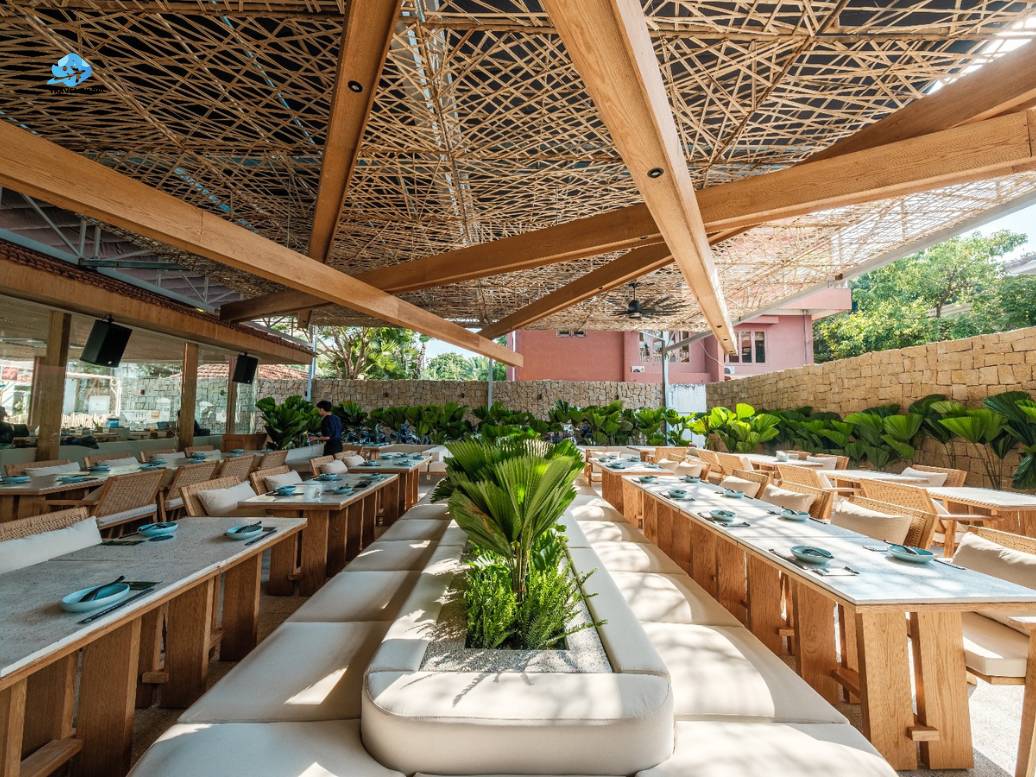
At ZumWhere, the best izakaya Saigon is not confined to strict tradition. It breathes. It adapts. Saigon has always embraced outside influence, and here that openness is visible on every plate. Yet despite the creativity, the foundation remains respectful of Japanese technique. Nothing feels careless. The experimentation feels thoughtful rather than forced.
As the evening progressed, I noticed how naturally the dishes encouraged lingering. No pressure to rush. No dramatic performance. Just a steady flow of flavor and discussion. It reflected Saigon’s evolving identity — confident enough to reinterpret, yet grounded enough to remember its roots.
Izakaya Matsuki and the discipline of traditional preparation
If ZumWhere feels exploratory, Izakaya Matsuki feels disciplined. The atmosphere is quieter, more restrained. The lighting softer. The counter seating invites observation. Sitting there, I found myself watching the chef’s hands more than my phone, more than the room.
At Matsuki, the best izakaya Saigon becomes an exercise in precision. Knife movements are controlled, almost measured. Skewers are grilled with steady patience. The plating is minimal — no unnecessary decoration, no dramatic flourishes. And yet, nothing feels lacking.
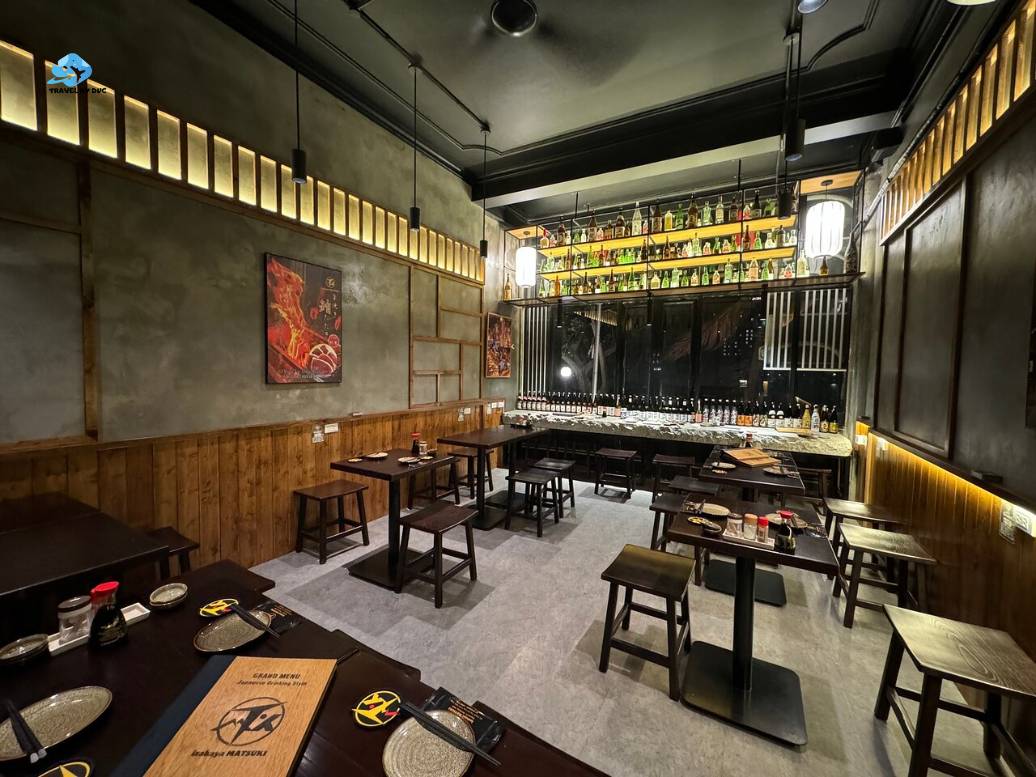
There is confidence in that simplicity. A slice of sashimi placed cleanly on ceramic. A skewer seasoned just enough to enhance, not overwhelm. The flavors are clear, balanced, intentional. In that clarity, I felt something grounding. The best izakaya Saigon, in this setting, is not about spectacle or reinvention. It is about mastery practiced quietly, night after night.
As I finished my final bite, I realized that both spaces — the creative and the restrained — are essential to understanding the best izakaya Saigon. One shows how far the city can stretch. The other reminds you why it stretches from such a strong foundation. And somewhere between those two approaches, I began to see the hidden depth that makes Saigon’s izakaya scene feel both intimate and evolving at the same time.
How late night hours reveal the emotional depth and quiet intimacy of the best izakaya Saigon culture
There is something about late night in Saigon that feels different from the rush of early evening. The traffic softens, neon reflections stretch across damp pavement, and conversations grow more personal. It was during these later hours that I began to understand the emotional layer behind the best izakaya Saigon culture.
Earlier in the night, izakayas feel lively and social. But as the clock moves past ten, the atmosphere shifts. Laughter becomes lower, pauses between sentences grow longer, and plates arrive more slowly. In those unhurried moments, the best izakaya Saigon is no longer just about grilled skewers or sake lists. It becomes a space for reflection.
Sitting at a small wooden counter with the hum of quiet conversation around me, I felt how these places create a kind of shelter within the city. Outside, Saigon remains restless and energetic. Inside, time stretches. The best izakaya Saigon reveals itself not through spectacle, but through intimacy — through the comfort of dim lighting, close seating, and the subtle rhythm of shared silence.
Mangetsu Shochu Bar and the art of slow drinking
Mangetsu Shochu Bar carries a different kind of energy. The focus here shifts from food to drink, and that change alters everything. The shelves behind the bar display rows of shochu bottles, each with its own origin and character. Instead of ordering quickly, I found myself asking questions, listening, tasting slowly.
In this setting, the best izakaya Saigon transforms into a contemplative space. Shochu is not rushed. Each sip invites patience. The dim lighting softens the room, and conversations feel more intentional. There is no loud performance, no dramatic presentation. Just quiet expertise and a steady rhythm of pouring, sipping, and reflecting.
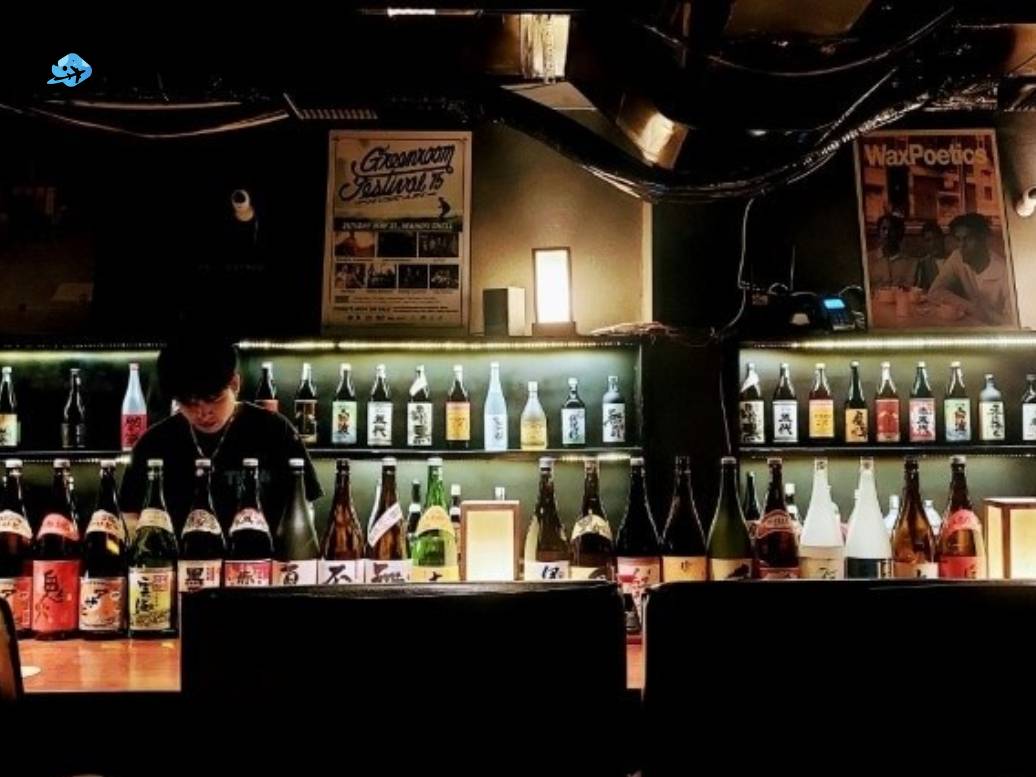
As I sat there, I noticed how the city outside began to fade. Motorbike sounds became distant. The night felt suspended. The best izakaya Saigon, in this form, offers more than flavor — it offers distance from distraction. It allows space for thoughts that might otherwise be drowned out by noise.
Izakaya MIE and the balance between familiarity and discovery
If Mangetsu feels introspective, Izakaya MIE feels warmly balanced. The first time I stepped inside, I did not feel intimidated. The atmosphere is welcoming, yet detailed enough to suggest care in every corner. The lighting is gentle, the seating close but comfortable. It feels like a place you could return to without hesitation.
Here, the best izakaya Saigon becomes a bridge between worlds. I noticed travelers studying the menu carefully, expats greeting staff by name, and local diners chatting easily over shared plates. The space does not favor one group over another. Instead, it connects them.
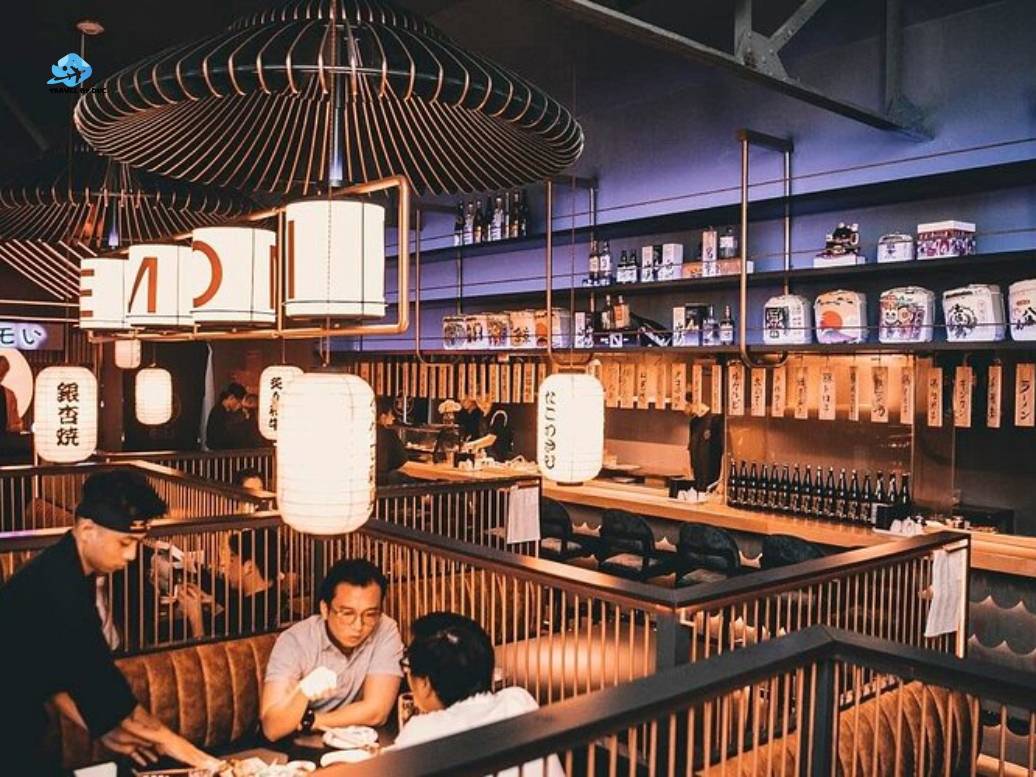
The dishes reflect that balance as well. Familiar skewers and small plates are presented with subtle refinement. Nothing feels overly experimental, yet nothing feels careless. Each visit offers small discoveries — a new sake recommendation, a seasonal dish, a different seating perspective.
In Izakaya MIE, the best izakaya Saigon is not about exclusivity. It is about belonging. It reminds me that dining culture in Saigon is constantly evolving, yet always grounded in hospitality. And as I stepped back into the night after my meal, I carried that quiet sense of connection with me — a reminder that sometimes the most meaningful travel moments happen long after the main attractions have closed.
Read more:
Lunch Ho Chi Minh City and the rhythm of everyday streets
Experiencing best teppanyaki Ho Chi Minh beyond expectations
Conclusion
Looking back on my evenings moving quietly from one doorway to another, I realize that the best izakaya Saigon is not defined by a single address or signature dish. It is defined by atmosphere — by subtle entrances, narrow staircases, warm wood interiors, and the gentle hum of conversation that grows softer as the night deepens.
What surprised me most was how naturally this Japanese dining culture fits into the rhythm of Saigon. In a city famous for street food stalls and bright, open air energy, these intimate spaces offer contrast without conflict. Among the many restaurants in HCMC, izakaya stand apart for their sense of enclosure and calm. The best izakaya Saigon does not compete with the sidewalk scene; it complements it. One celebrates openness and speed, the other invites closeness and pause. Together, they reveal the city’s remarkable range.
Through grilled eel at Izakaya Unatoto, shared laughter at Me-Tetsu Izakaya, creative plates at ZumWhere, quiet precision at Izakaya Matsuki, contemplative sipping at Mangetsu Shochu Bar, and balanced warmth at Izakaya MIE, I began to see a hidden side of the city. These places are not loud about their presence. Even within the wide landscape of restaurants in HCMC, they feel discovered rather than advertised.
In the end, the best izakaya Saigon feels less like a checklist item and more like a memory you carry home. It is the feeling of sitting close to the chef, of clinking small glasses in dim light, of stepping back onto the street and noticing how the night suddenly feels calmer. And perhaps that is the real discovery — not just finding good food, but finding a quieter rhythm within a city that never truly stops moving.
Duc I'm a traveler who was born and raised right here in Vietnam. For decades, I’ve been exploring, and for me, traveling is much more than seeing sights. Today, through my blog, Travel by Duc, my mission is simple: to be a genuine resource to help you travel smarter, explore the world with confidence, and find a deeper sense of connection wherever you go. The world is waiting, and I look forward to exploring it together!