The idea of taking the HCMC to Da Nang train felt simple at first just a way to get from one city to another. But once I started planning, I realized it could be much more than that. This route is known for its coastal views, changing landscapes, and slower rhythm compared to flying. Instead of rushing through the journey, I began to see it as part of the experience itself.
What made the difference for me was not just booking a ticket, but understanding how to approach the trip. From choosing the right train to preparing for the long hours on board, each small decision shaped how comfortable and enjoyable the journey felt. The HCMC to Da Nang train is not complicated, but knowing how to navigate it properly can turn a long ride into a smooth and even memorable part of your trip.
Planning your HCMC to Da Nang train journey carefully to balance comfort timing and the overall travel experience
When I first considered taking the HCMC to Da Nang train, I didn’t think much about timing. I assumed any train would get me there, and that was enough. But as I looked closer, I realized that when you travel and how you plan your schedule can completely shape the experience. The HCMC to Da Nang train is not a short trip, so a little preparation goes a long way in making it feel smooth instead of tiring.
What helped me most was slowing down before booking and thinking about how I wanted the journey to feel. Did I want to stay awake and watch the scenery, or rest and arrive ready to explore? These small questions made the planning process feel more intentional, and in the end, it made the journey itself much more comfortable.
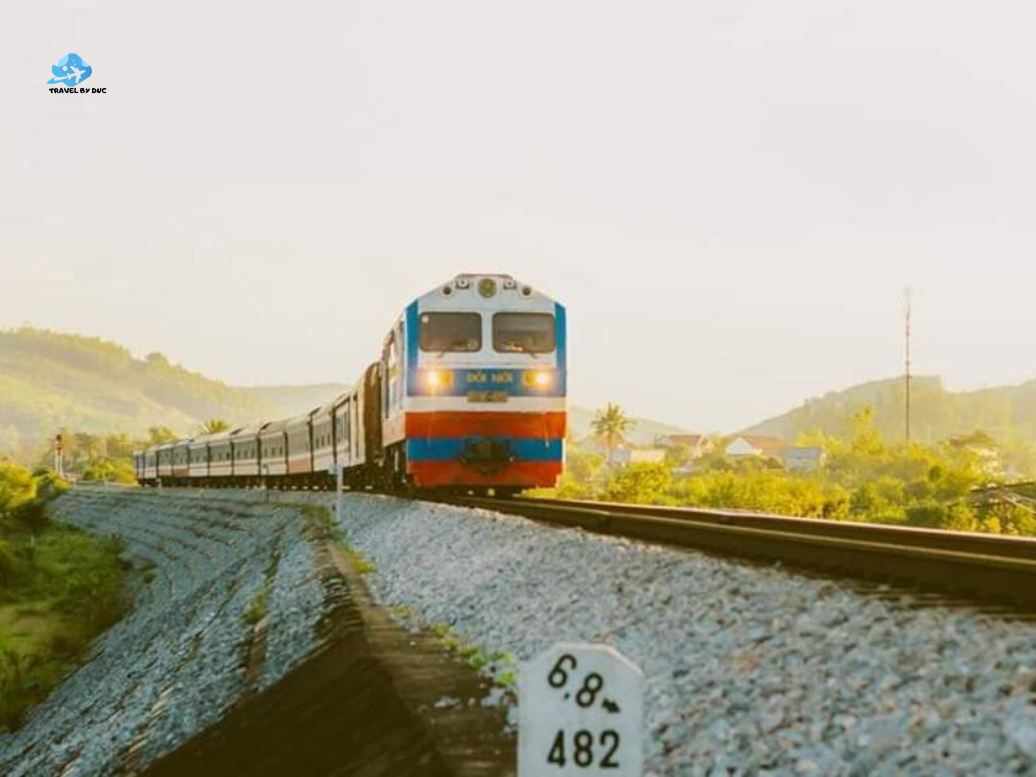
Choosing the right departure time for your schedule
One of the first things I learned was that departure time matters more than expected. When choosing an HCMC to Da Nang train, I looked at how the timing would fit into the rest of my trip. A morning departure meant I could see more of the landscape during the day, while an afternoon or evening train changed the rhythm completely. Picking the right time helped me avoid arriving too tired or too early, making the transition into Da Nang feel much easier.
Deciding between day and overnight travel
Another decision that shaped my experience was choosing between a daytime or overnight HCMC to Da Nang train. Day trains offered a slower, more visual journey, with plenty of time to look outside and enjoy the changing scenery. Overnight trains felt more practical, especially if I wanted to save time and rest during the trip. In the end, neither option is better it depends on what you value more. For me, understanding this choice ahead of time made the journey feel less like a long transfer and more like a part of the travel experience itself.
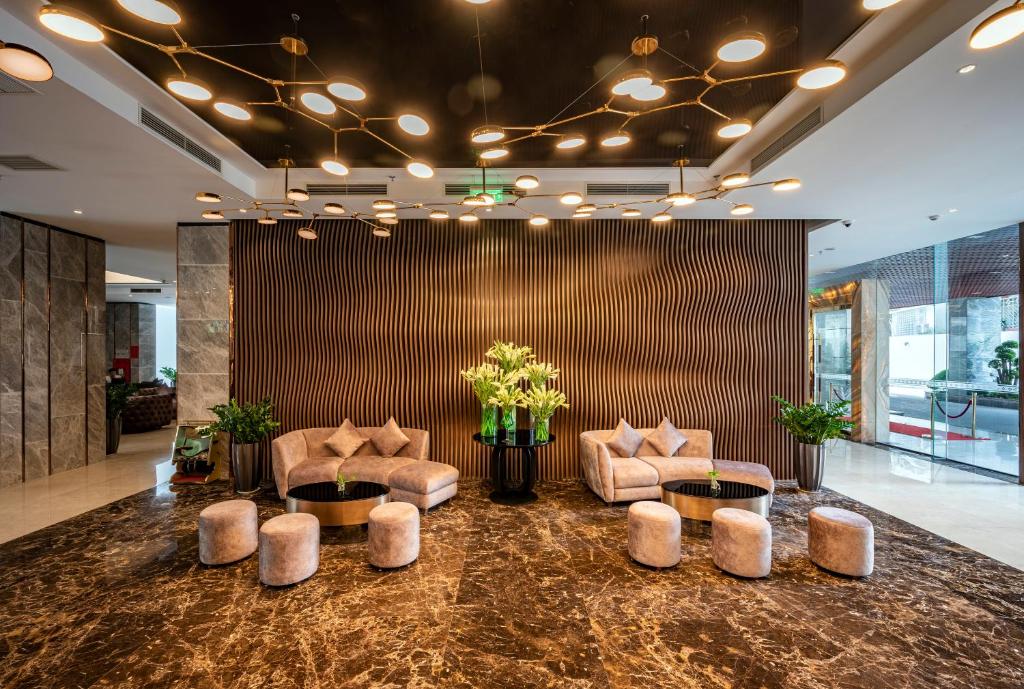
Located in central Ho Chi Minh City, Fusion Original Saigon Centre features free Wi-Fi, a restaurant, bar, outdoor pool, fitness center, and sauna. It’s a non-smoking hotel just a 3-minute walk from Takashimaya Vietnam. Located in vibrant Ho Chi Minh City, Hotel Des Arts Saigon Mgallery Collection offers pet-friendly accommodation with free Wi-Fi, an outdoor pool, restaurant, bar, and 24-hour front desk — just steps from major attractions.The best boutique hotels in Ho Chi Minh
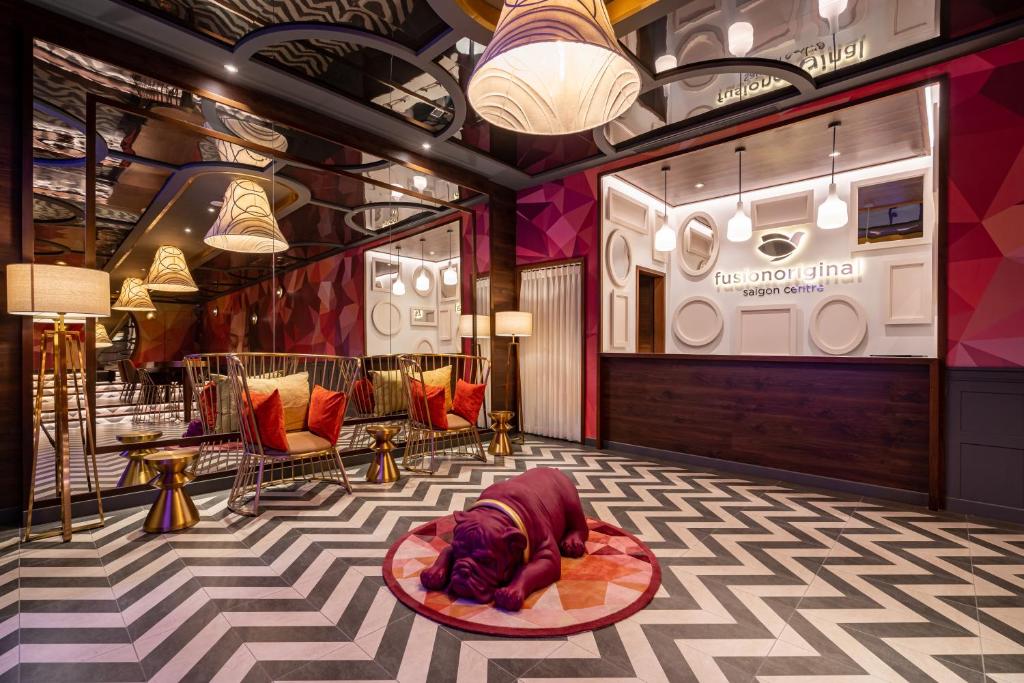
Fusion Original Saigon Centre
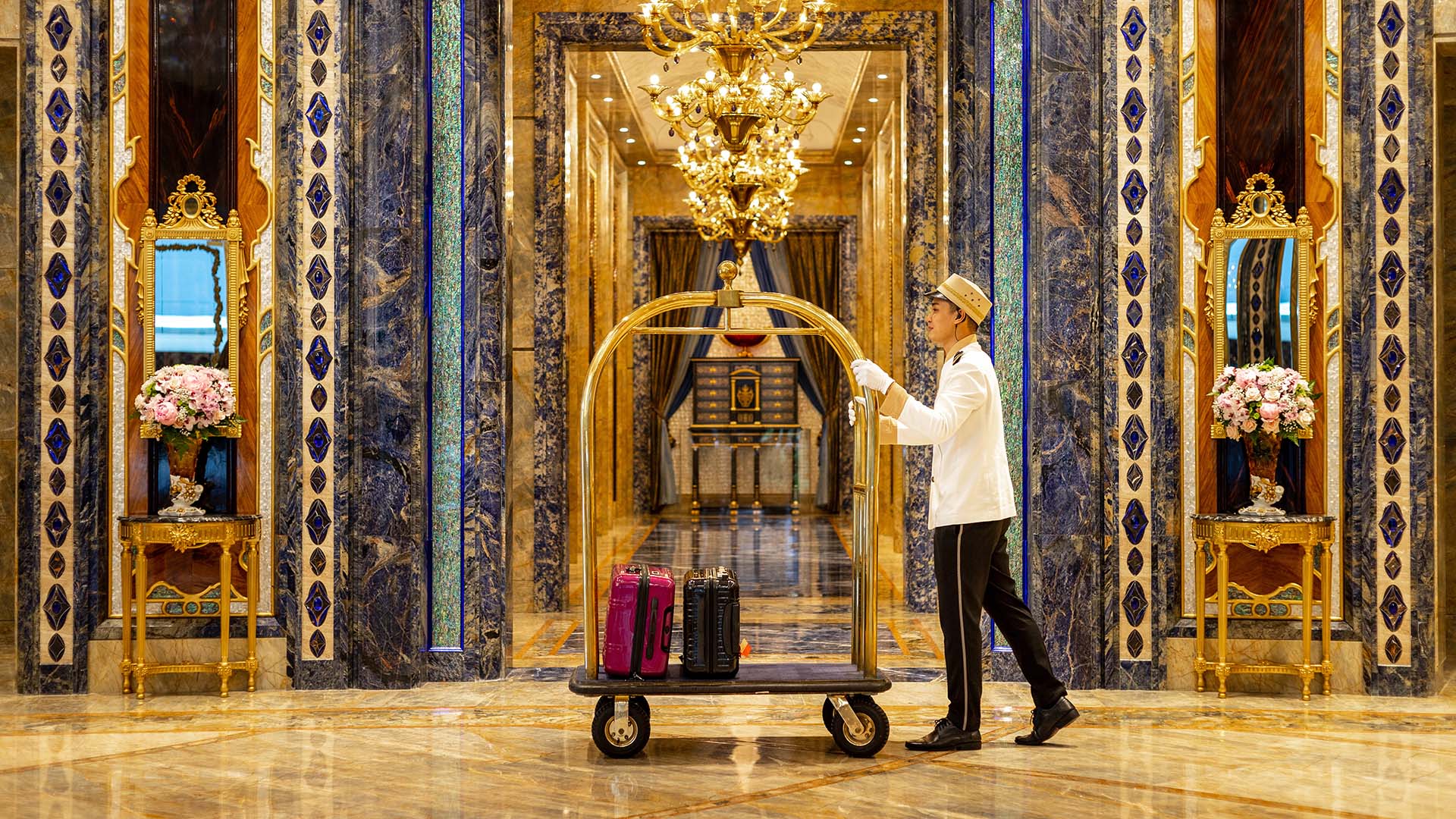
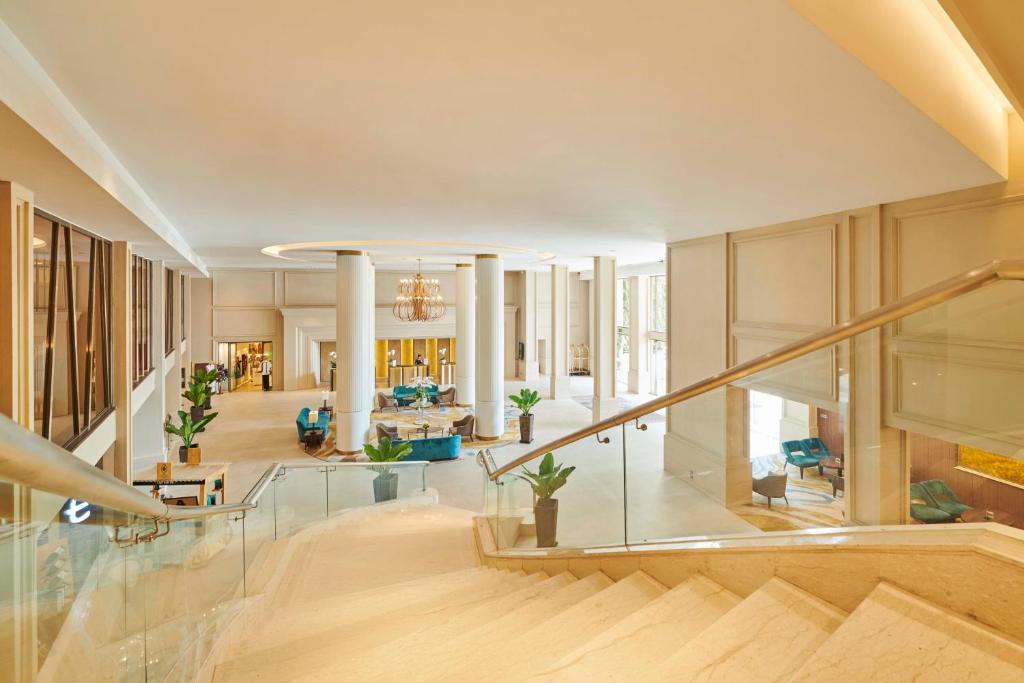
The Reverie Saigon
Located in District 1, The Reverie Saigon offers luxurious rooms with free Wi-Fi, an outdoor pool, spa, fitness center, and on-site restaurant serving Asian and Western dishes — just minutes from major landmarks.
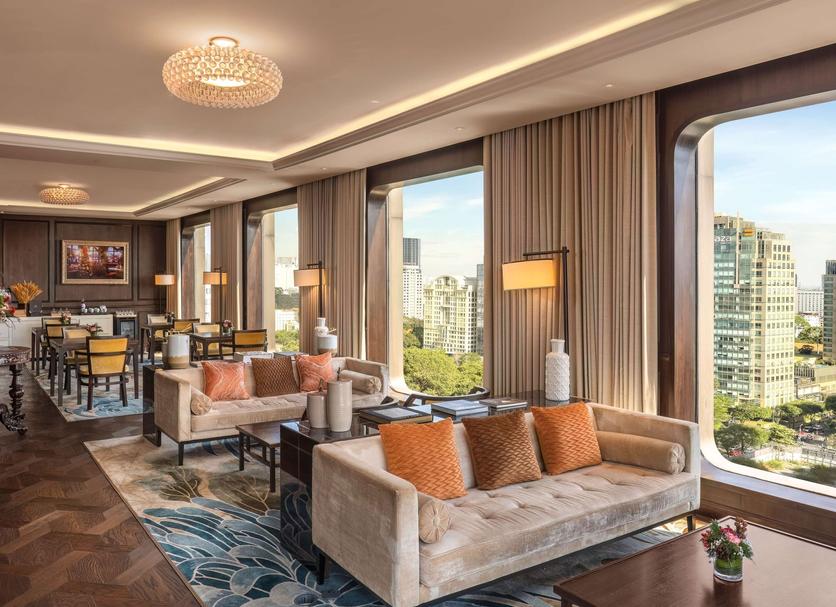
Hôtel des Arts Saigon – MGallery
Preparing carefully before boarding the HCMC to Da Nang train to stay comfortable relaxed and ready for a long journey
Before stepping onto the HCMC to Da Nang train, I didn’t think preparation would matter that much. It’s just a train ride, I told myself. But once I was on board, I quickly realized that what you bring with you can completely shape how the journey feels. Since the HCMC to Da Nang train takes several hours, small details become more noticeable over time. Being prepared didn’t mean overpacking it simply meant bringing the right things to stay comfortable.
What helped me most was thinking ahead about what I would actually need during the trip. Not everything is available on board, and even when it is, having your own items makes the experience feel more personal and convenient. A little preparation turned the journey from something I had to get through into something I could actually enjoy.
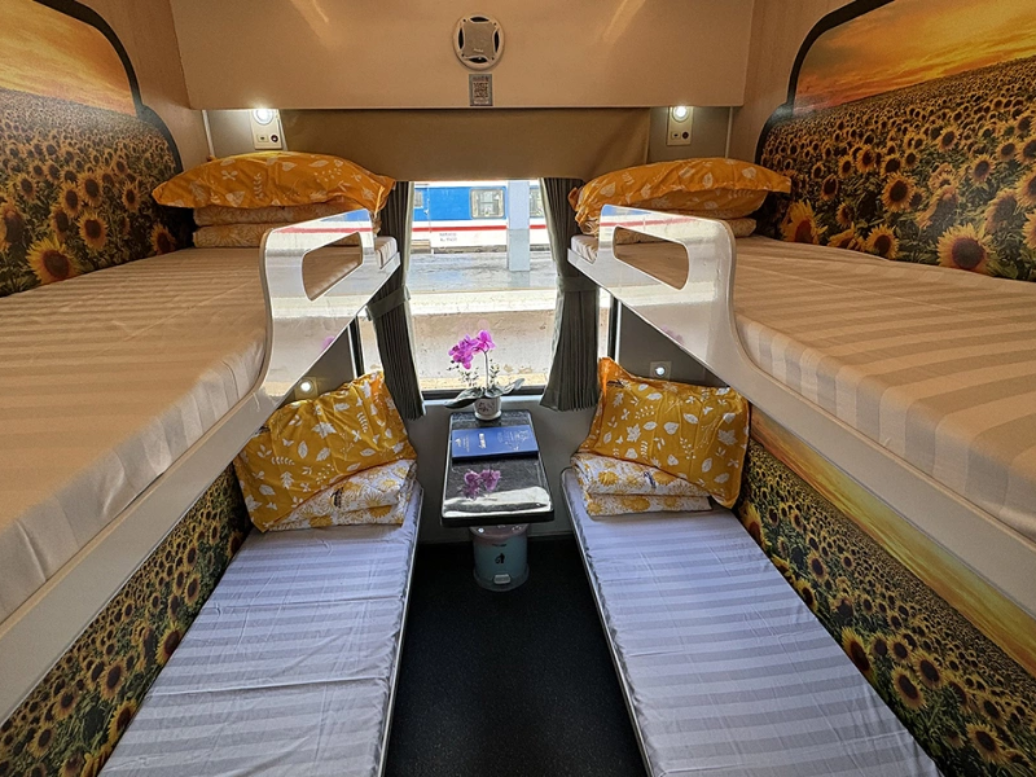
Packing essentials for a long train ride
When I packed for the HCMC to Da Nang train, I focused on keeping things simple but useful. A small bag with essentials made a big difference. Items like a light jacket, a neck pillow, and something to pass the time helped me settle into the journey more easily. I also brought headphones and downloaded a few things in advance, which made the long hours feel more relaxed. The goal wasn’t to bring a lot, but to have just enough to stay comfortable without feeling weighed down.
Food, water, and personal comfort items
Food and water were another part I underestimated at first. While the HCMC to Da Nang train does offer some options, having my own snacks and drinks made everything more flexible. I didn’t have to wait or adjust to what was available. Simple things like staying hydrated, having familiar snacks, or bringing small comfort items made the journey feel smoother. Over time, I realized that these small choices helped me stay present and enjoy the ride instead of focusing on what I was missing.
Experiencing what the HCMC to Da Nang train journey actually feels like on board through its rhythm atmosphere and changing scenery
When I finally boarded the HCMC to Da Nang train, everything started to slow down in a way I didn’t expect. Unlike flying, where everything feels rushed and structured, the train created a different kind of space. The HCMC to Da Nang train wasn’t just about reaching a destination it felt like stepping into a moving environment where time stretched out a little longer, especially after spending days exploring different Ho Chi Minh tourist places before beginning the journey.
At first, I wasn’t sure what to do with that time. But gradually, I began to adjust to the rhythm of the journey. The sounds, the movement, and even the pauses at stations became part of the experience. Instead of constantly thinking about arrival, I found myself paying attention to what was happening in the moment.
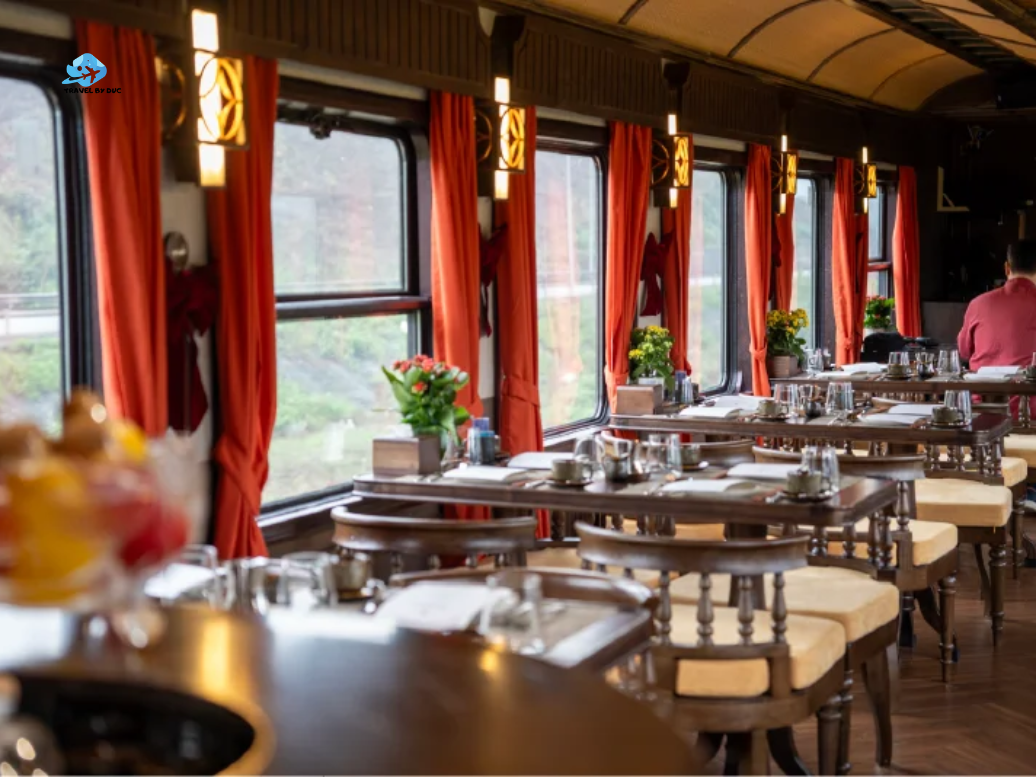
The pace of travel and onboard atmosphere
The pace of the HCMC to Da Nang train is steady but unhurried. It doesn’t demand your attention, yet it quietly shapes how you experience the trip. People settle into their own routines some resting, some talking, others simply watching the world pass by. I noticed that the atmosphere felt calm, almost reflective at times. It gave me space to slow down without feeling like I had to do anything specific.
This slower pace can feel unfamiliar at first, especially if you’re used to faster forms of travel. But once you adjust, it becomes part of the appeal. The HCMC to Da Nang train allows you to move through the country without disconnecting from it, which is something I didn’t fully appreciate until I experienced it myself.
Watching changing landscapes along the route
One of the most memorable parts of the HCMC to Da Nang train journey was simply looking out the window. The scenery changes gradually, almost without you noticing at first. Urban areas slowly give way to open fields, small towns, and stretches of coastline. Each section feels different, yet connected in a continuous flow.
I found myself returning to the window more often than I expected. There was something calming about watching the landscape shift over time. It didn’t feel like sightseeing in the usual sense it felt quieter, more personal. The HCMC to Da Nang train made the journey itself something worth paying attention to, not just the destination waiting at the end.
Learning how to enjoy the scenic highlights along the HCMC to Da Nang train route by paying attention to timing light and small details
As the journey continued, I realized that the beauty of the HCMC to Da Nang train wasn’t something that appeared all at once. It revealed itself gradually, often in quiet moments when I wasn’t actively looking for it. At first, I thought I would need to stay by the window the entire time, but that wasn’t necessary. What mattered more was knowing when to look and allowing myself to slow down enough to notice the changes outside.
The HCMC to Da Nang train offers a mix of landscapes, but they don’t announce themselves. They come and go naturally, which made the experience feel less like a planned sightseeing trip and more like something unfolding on its own. Once I understood this, I started to enjoy the journey in a more relaxed and attentive way.
Best moments to look outside and take photos
One thing I learned quickly was that not every moment is the same when traveling on the HCMC to Da Nang train. Early morning and late afternoon felt different from midday, especially in terms of light and atmosphere. I found that softer light made everything outside feel calmer and more detailed, which also made photos look more natural. Instead of constantly trying to capture everything, I waited for moments that felt right, and that made the experience feel less rushed.
Coastal views and countryside transitions
What made the HCMC to Da Nang train route memorable for me was the way the scenery shifted over time. There were moments when the train moved alongside the coast, and the view opened up in a way that felt unexpected. Then, without much notice, it would transition into quieter countryside areas with fields and small villages. These changes didn’t feel dramatic, but they created a rhythm that made the journey more engaging.
I realized that enjoying these views wasn’t about finding the perfect spot or taking the best photo. It was about being present enough to notice how the landscape changed and allowing those moments to happen naturally. The HCMC to Da Nang train made it easy to do that, as long as I wasn’t in a hurry.
Read more:
Why a tour guide in saigon can improve your travel experience
A practical guide to booking Ho Chi Minh city to Hanoi train tickets step by step