
The first Vietnamese coffee that truly caught my attention was not served in a café at all. It was on a tiny plastic stool at a street corner, watching a small metal phin slowly drip coffee into a glass already filled with condensed milk. I remember thinking it was going to take forever. That, as it turned out, was exactly the point. In Vietnam, coffee is not something you rush through. It is a ritual woven into everyday life—a reason to sit a little longer, watch the streets, and let conversations unfold naturally. Whether you are sitting at a sidewalk café or tucked away inside one of Saigon’s famous apartment cafés, understanding what is actually in your cup, and why it is prepared that way, transforms a simple drink into one of the most memorable experiences of visiting this city. Here is everything I wish I had known about cafe apartment Ho Chi Minh before taking my very first sip.
Why coffee is part of everyday life in Saigon
Coffee arrived in Vietnam with the French during the nineteenth century. They discovered that the country’s rich red soil and tropical climate were ideal for growing Robusta coffee, a variety that is stronger, bolder, and naturally more intense than the Arabica beans most Western travelers are familiar with. That distinctive Robusta flavor remains one of the reasons Vietnamese coffee tastes the way it does today: rich, slightly bitter, and perfectly suited to being paired with sugar and condensed milk rather than enjoyed as a light black coffee.
What impressed me even more than the flavor, however, was the rhythm surrounding it. In Saigon, ordering coffee rarely means grabbing it to go. It means choosing a seat, watching the city move around you, and staying for as long as you like. Coffee shops are not simply places to drink coffee—they are where people read books, work, meet friends, or simply do nothing at all. In many ways, that relaxed atmosphere is the true ingredient behind every cup of cafe apartment Ho Chi Minh.
Traditional Vietnamese brewing methods
One of the things that fascinated me most while learning about Vietnamese coffee culture was discovering that the brewing process is just as important as the coffee itself. Before coming to Vietnam, I was used to espresso machines, pour-over coffee, and takeaway cups prepared in just a few minutes. Here, however, coffee is intentionally slower. Watching each cup being brewed became part of the experience rather than simply waiting for a drink to arrive.
As I visited different cafés around Ho Chi Minh City, I realized that many places still take pride in traditional brewing methods that have been passed down through generations. Instead of relying on modern equipment, they continue to use simple tools that allow the natural flavors of Vietnamese Robusta beans to develop gradually. The result is a richer, bolder cup of coffee that perfectly reflects the relaxed rhythm of everyday life in Vietnam.
Understanding these traditional brewing techniques helped me appreciate Vietnamese coffee culture on a much deeper level. Every slow drip from a phin filter and every carefully prepared cup reminded me that coffee here is not just about caffeine—it is about patience, craftsmanship, and enjoying the moment before taking the very first sip.
The phin filter: Vietnam’s iconic slow drip brewer
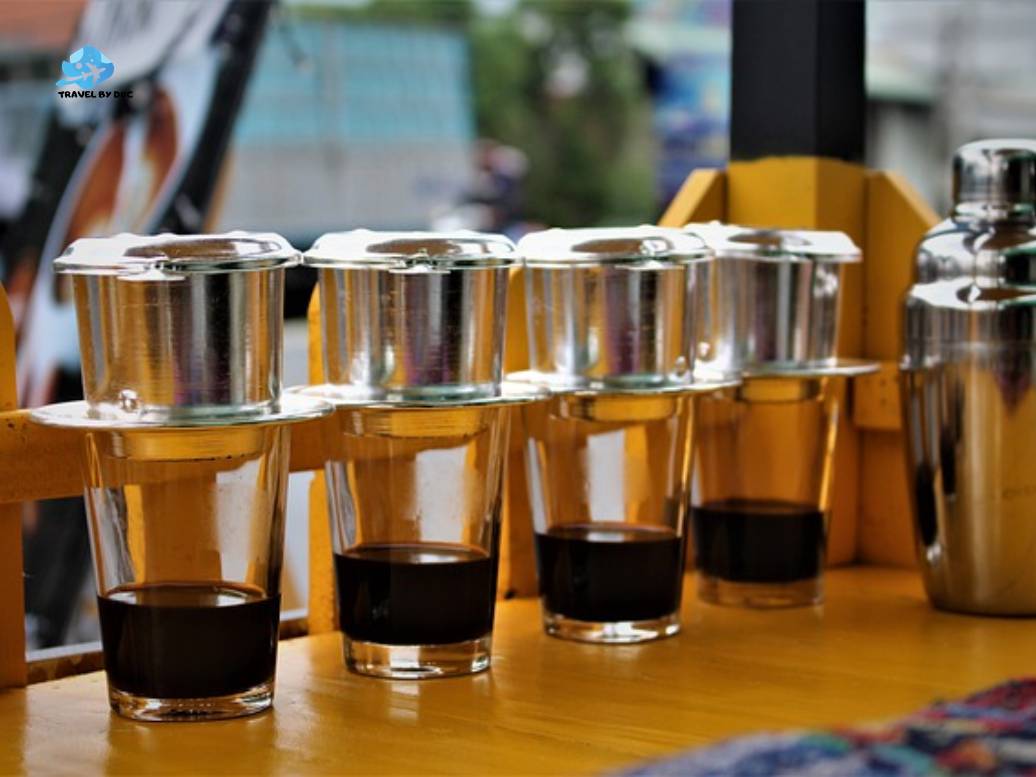
If there is one object that defines cafe apartment Ho Chi Minh, it is the phin—a small metal filter that sits directly on top of your cup or glass. Hot water is poured over coarsely ground Robusta coffee, allowing it to drip slowly, usually taking four or five minutes to finish brewing. Most cafés will bring your coffee to the table while it is still dripping, so you can watch the liquid gradually fill the glass before taking your first sip. There is no shortcut to this process, and no one tries to make it faster. Before long, I began to see the waiting as part of the drink itself rather than an inconvenience—a natural pause before stepping back into the fast-moving rhythm of the city.
The cloth filter: An older brewing tradition
Long before the phin became the standard, many street vendors brewed coffee using a cloth filter, a traditional brewing method in which a reusable fabric filter is soaked in hot water and used to prepare larger batches of coffee, much like tea. You can still find this method at a handful of long-established local eateries, often businesses that have served the same neighborhood for decades. The resulting coffee has a slightly smoother texture, and watching the vendor prepare it with practiced movements feels like witnessing a piece of Saigon’s coffee history from a time before the phin became the symbol of Vietnamese coffee culture.

Essential Vietnamese coffee drinks you should know
One of my favorite parts of exploring cafe apartment Ho Chi Minh was discovering that there is far more to Vietnamese coffee than the famous iced coffee most travelers already know. Every few days I found myself trying a different drink, and each one revealed another side of the country’s coffee tradition. Some were bold and intense, others were sweet and creamy, while a few were so unique that I had never encountered anything similar elsewhere in the world.
What surprised me most was that every drink seemed to have its own story. Some recipes were created out of necessity during difficult periods in Vietnam’s history, while others reflected the creativity of modern cafés that continue to reinvent traditional flavors. Rather than ordering the same coffee every morning, I began treating each visit to a café as an opportunity to experience another chapter of Vietnamese coffee culture.
If you are visiting Vietnam for the first time, I would encourage you to try more than just one type of coffee. Even if you usually drink espresso or cappuccino at home, stepping outside your comfort zone can become one of the most memorable parts of your trip. From the rich simplicity of cà phê đen to the creamy sweetness of cà phê sữa đá and the indulgent texture of egg coffee, every cup offers a different perspective on why coffee has become such an important part of daily life in Vietnam.
Cà phê đen
This is Vietnamese coffee in its purest form—nothing more than Robusta coffee and water, served either hot or over ice as cà phê đen đá. It is bold, smoky, slightly bitter, and full-bodied. If you want to experience the flavor of coffee grown in Vietnam’s Central Highlands without any added sweetness, this is the perfect place to begin.
Cà phê sữa đá
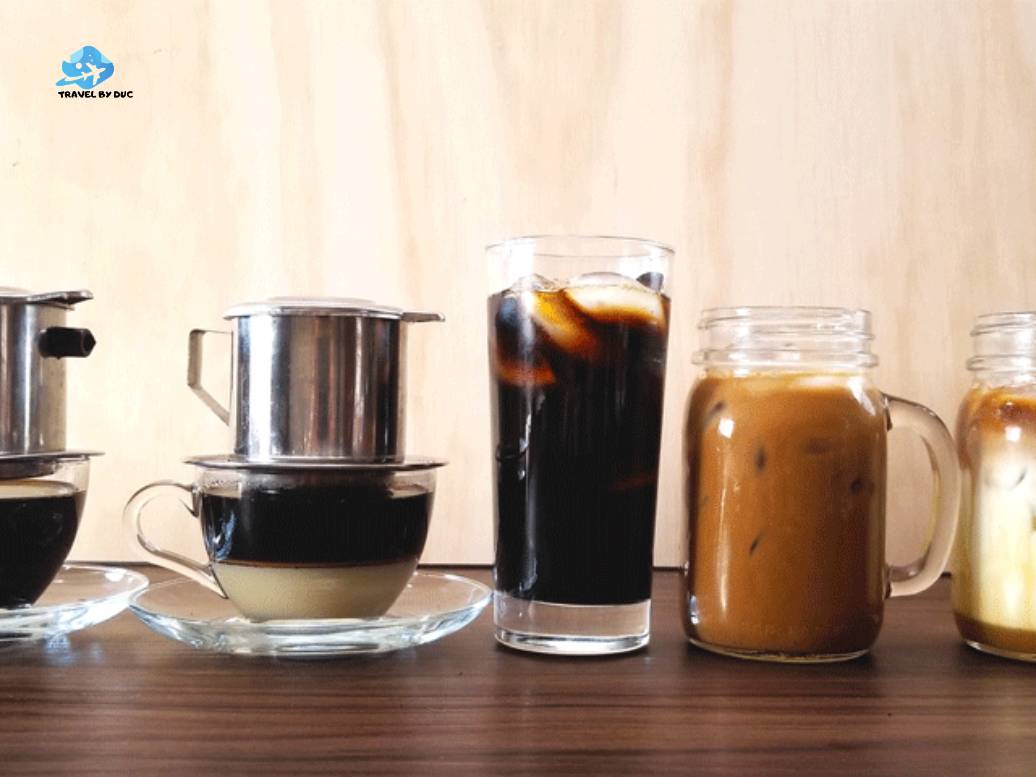
This is the drink that many travelers fall in love with first. Sweetened condensed milk sits at the bottom of the glass while freshly brewed coffee slowly drips on top. Once brewing is complete, everything is stirred together with ice to create a rich, creamy, and refreshing drink. Condensed milk became common decades ago because fresh milk was difficult to preserve before reliable refrigeration became widely available. Today, the combination remains a classic because its sweetness perfectly balances the bold intensity of Robusta coffee.
Bạc xỉu
Think of bạc xỉu as a gentler version of cà phê sữa đá. It contains more condensed milk and less coffee, resulting in a drink that tastes almost like sweet iced milk with just a hint of coffee. Whenever friends told me they were worried Vietnamese coffee might be too strong, this was always the drink I recommended first. It offers an easy introduction without losing the familiar character of local coffee.
Egg coffee
Egg coffee was first created in Hanoi during the 1940s, when fresh milk was scarce. A bartender began whisking egg yolks with sugar into a thick, creamy foam that could be poured over strong black coffee as a substitute for milk. The result is rich, silky, and surprisingly dessert-like—more reminiscent of tiramisu than an ordinary cup of coffee. Although it originated in northern Vietnam, many cafés in Saigon, including several hidden inside the city’s apartment buildings, now serve their own versions of this famous drink.
Modern coffee creations
Saigon’s younger generation continues to reinvent traditional coffee in creative ways. Coconut coffee blended with crushed ice, coffee topped with salted cheese foam, and carefully crafted cold brews have become increasingly popular among locals and visitors alike. These modern creations prove that cafe apartment Ho Chi Minh is not frozen in the past. While tradition remains deeply respected, new ideas continue to shape the country’s coffee scene, one innovative menu at a time.
Read more:
Two day Ho Chi Minh City itinerary for first time visitors
Best time to visit Ho Chi Minh City for sightseeing
Conclusion
Looking back, I realized that cafe apartment Ho Chi Minh is about far more than the coffee itself. Every cup I enjoyed became an opportunity to slow down, observe everyday life, and connect with the rhythm of Vietnam in a way that few other experiences allowed. Whether I was sitting on a small plastic stool beside a busy street, discovering a hidden apartment café in Saigon, or trying a traditional drink for the first time, each moment taught me something new about the country’s history, traditions, and way of life.
If you are planning a trip to Vietnam, I encourage you to make coffee more than just another item on your itinerary. Try different brewing methods, order drinks you have never tasted before, and spend time in cafés where locals gather rather than simply grabbing a takeaway coffee. In fact, exploring local cafés and experiencing Vietnamese coffee culture quickly became one of my favorite things to do in HCM City, offering a deeper understanding of the destination beyond its famous landmarks.
For me, experiencing cafe apartment Ho Chi Minh was one of the highlights of traveling through Vietnam. Long after I left Saigon, it was not only the flavor of the coffee that stayed with me, but also the feeling of sitting still for a while, watching the city move around me, and realizing that sometimes the best way to discover a destination is simply to slow down and enjoy one cup at a time.
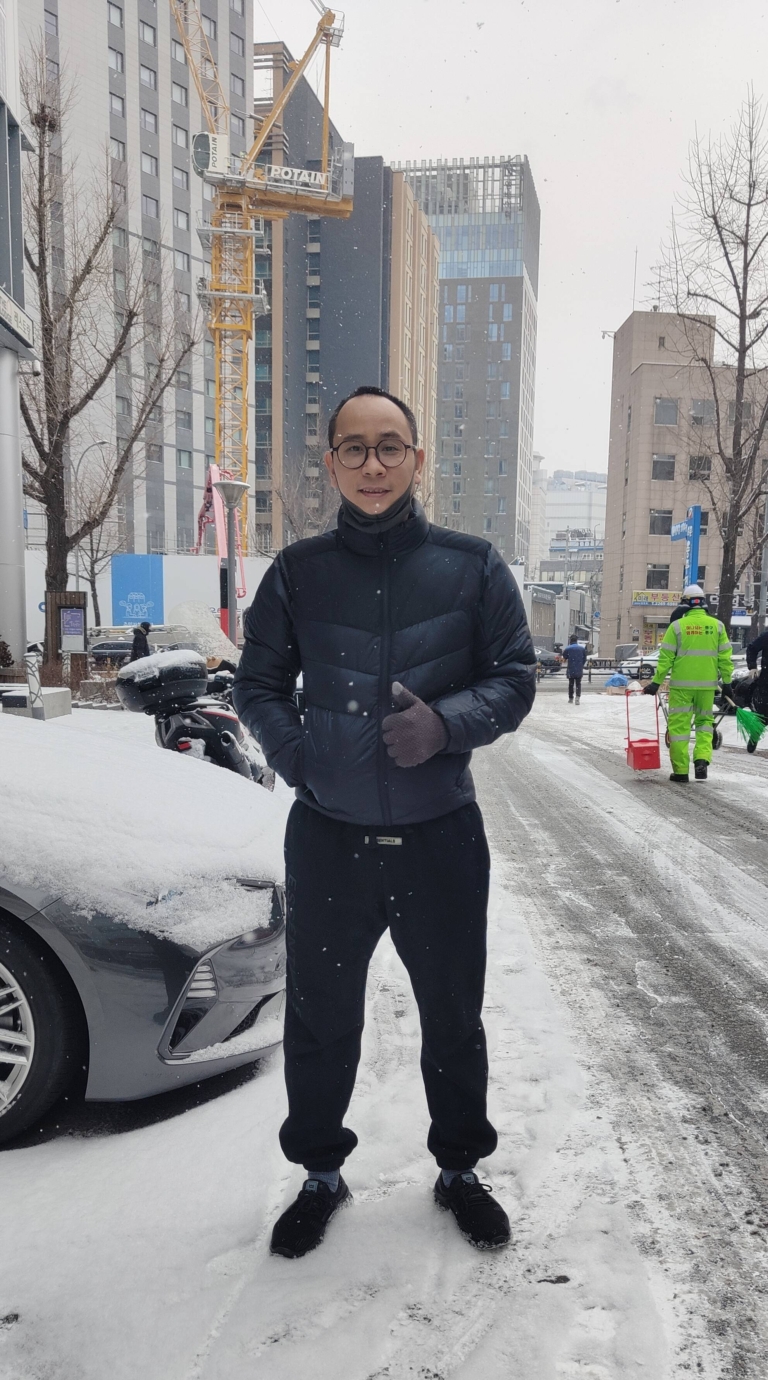
Duc
I'm a traveler who was born and raised right here in Vietnam. For decades, I’ve been exploring, and for me, traveling is much more than seeing sights.
Today, through my blog, Travel by Duc, my mission is simple: to be a genuine resource to help you travel smarter, explore the world with confidence, and find a deeper sense of connection wherever you go.
The world is waiting, and I look forward to exploring it together!