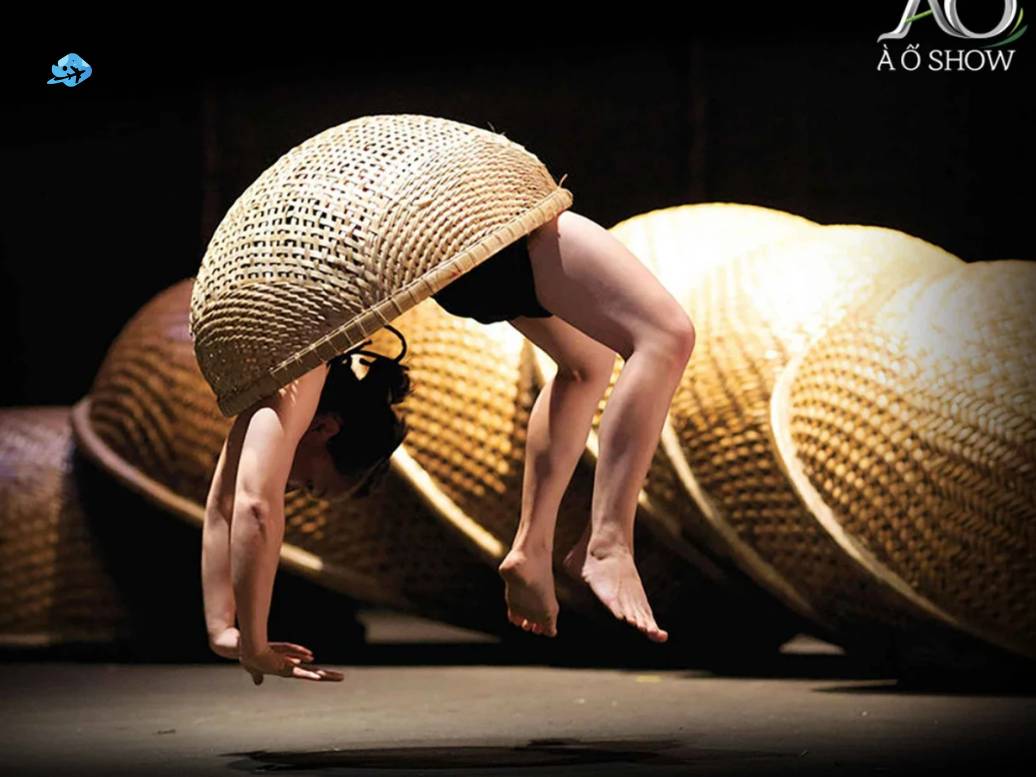
I didn’t come to ao show Ho Chi Minh expecting to understand southern Vietnam in one evening. I came mostly out of curiosity, looking for a cultural experience that didn’t feel rushed or overly explained. What unfolded on stage felt less like a performance designed for visitors, and more like an invitation to observe quietly. Without dialogue or instructions, the show allowed southern Vietnam to reveal itself through movement, rhythm, and familiar images. It became a soft beginning, not a summary, shaping my first emotional connection to the region before I fully stepped into its streets and daily life.
Letting ao show Ho Chi Minh quietly set the emotional tone for my first journey through southern Vietnam
Letting ao show Ho Chi Minh be one of my first cultural experiences in the city felt like easing into the south rather than stepping straight into it. I didn’t come with much background knowledge or expectations, and that turned out to be a gift. The performance didn’t rush to explain Vietnam or frame it for visitors. Instead, ao show Ho Chi Minh created a mood gentle, rhythmic, and human that stayed with me as I began traveling onward. It felt less like learning and more like listening, allowing the journey to unfold without pressure to understand everything at once.
Entering Vietnamese culture without prior context
Watching ao show Ho Chi Minh without prior context made the experience feel open and intuitive. I wasn’t trying to decode symbols or match scenes to historical facts. I simply followed movement, sound, and silence as they appeared. That lack of preparation helped me trust my own reactions. The show became a first emotional entry point into Vietnamese culture, one that relied on feeling rather than explanation. Later, as I encountered daily life in the south, those same feelings returned naturally, as if the show had quietly prepared me to notice them.
Why starting with a performance felt more natural than a tour
Starting my journey with ao show Ho Chi Minh felt more natural than beginning with a structured tour or checklist. A tour often tells you what matters before you’ve had time to decide for yourself. The performance did the opposite. It suggested a pace and an attitude without giving instructions. Because of that, I moved through southern Vietnam more gently, paying attention to atmosphere instead of highlights. In hindsight, ao show Ho Chi Minh didn’t introduce me to places, it introduced me to a way of seeing, which shaped the rest of my journey in subtle but lasting ways.
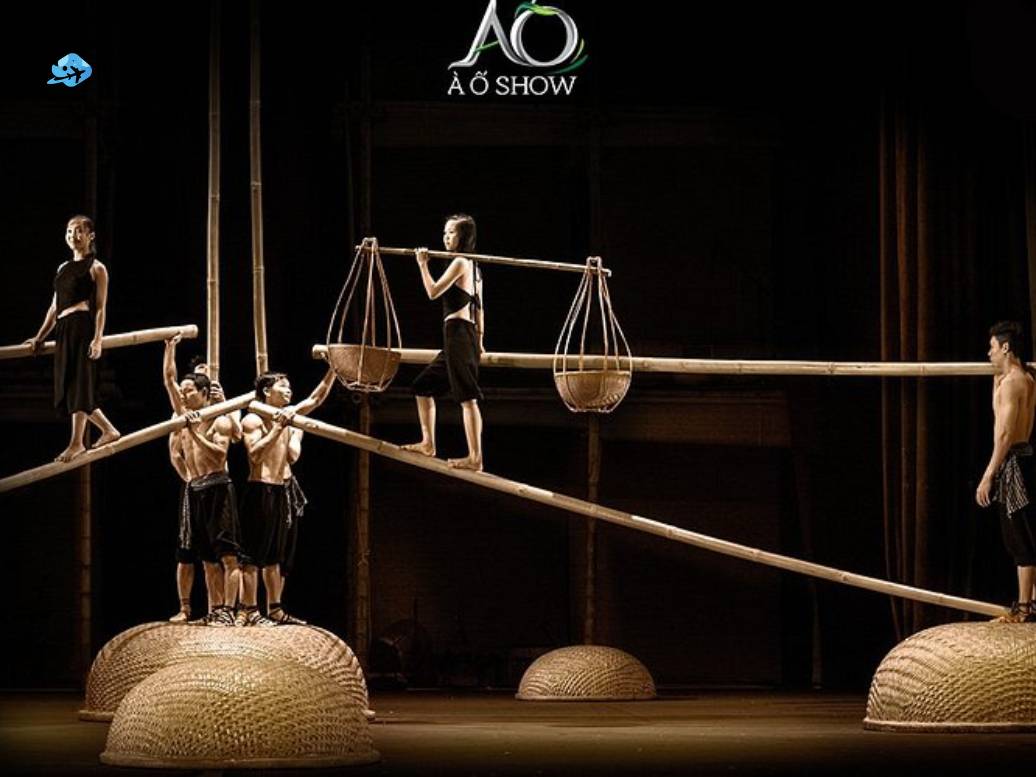
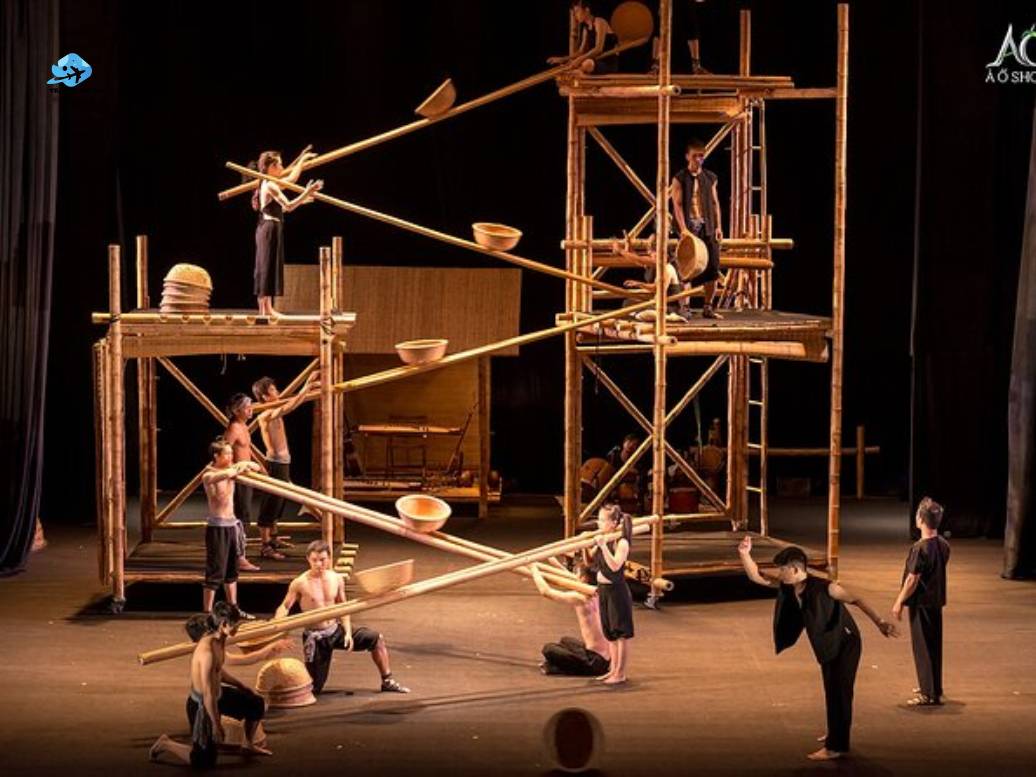
Everyday southern life gently expressed through motion and silence on the ao show Ho Chi Minh stage
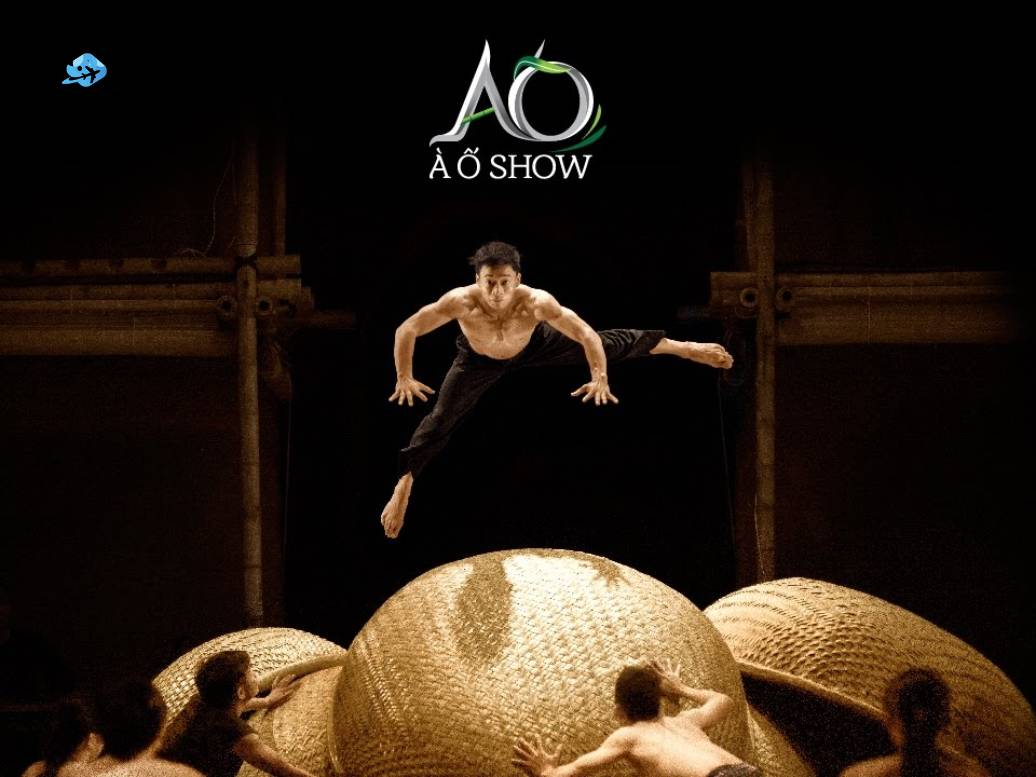
What stayed with me most from ao show Ho Chi Minh was how everyday southern life appeared without needing to be highlighted or dramatized. The movements felt unforced, the pauses intentional, as if the performance was mirroring the natural rhythm of life rather than recreating it. Sitting there, I didn’t feel like I was watching a cultural display made for visitors. Instead, ao show Ho Chi Minh felt like a quiet reflection of daily routines, shown with respect and restraint. That subtle approach made the experience feel personal, almost familiar, even though everything on stage was new to me.
Familiar scenes that felt lived in not staged
Many scenes in ao show Ho Chi Minh felt instantly recognizable in an emotional sense, even if I had never experienced them directly before. The gestures carried a sense of habit, as if they came from repetition rather than rehearsal. Nothing felt exaggerated to hold attention. That lived in quality allowed me to connect without effort. I wasn’t trying to interpret meaning or symbolism. I simply watched and felt, letting the familiarity emerge on its own.
How simplicity carried more meaning than explanation
The simplicity of ao show Ho Chi Minh gave the performance its quiet strength. There were no spoken explanations guiding my understanding, and that absence created space for reflection. Meaning came through motion, silence, and timing rather than words. As a traveler, I found that approach deeply grounding. It reminded me that understanding a place doesn’t always come from learning facts, but from allowing moments to settle naturally. Long after the show ended, that sense of simplicity continued to shape how I experienced southern Vietnam.
The best boutique hotels in Ho Chi Minh
Fusion Original Saigon Centre
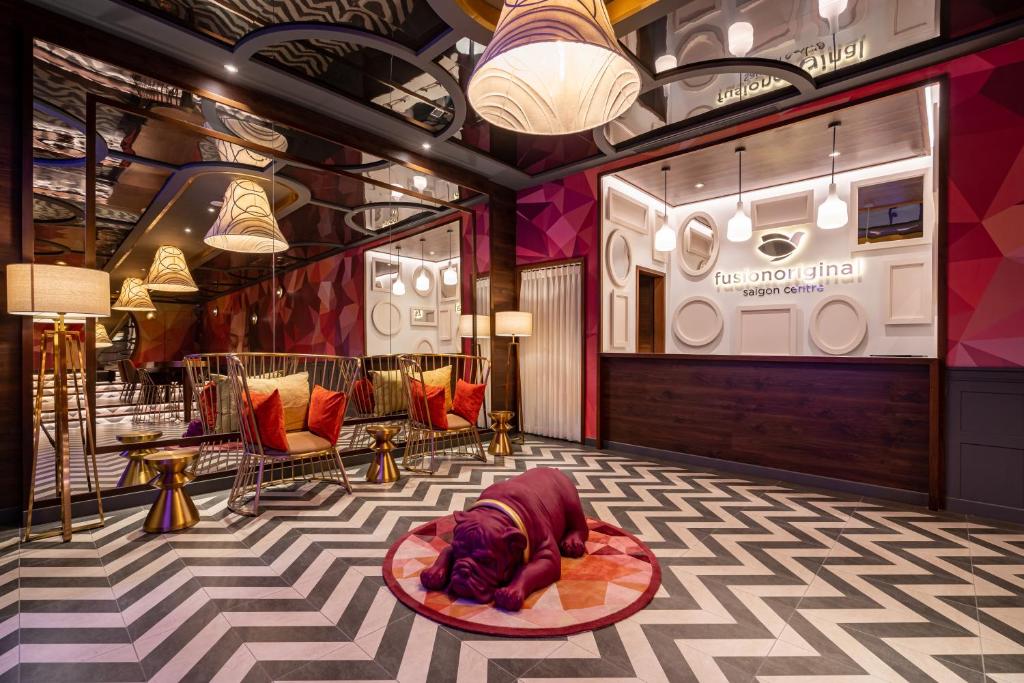
Located in central Ho Chi Minh City, Fusion Original Saigon Centre features free Wi-Fi, a restaurant, bar, outdoor pool, fitness center, and sauna. It’s a non-smoking hotel just a 3-minute walk from Takashimaya Vietnam.
Price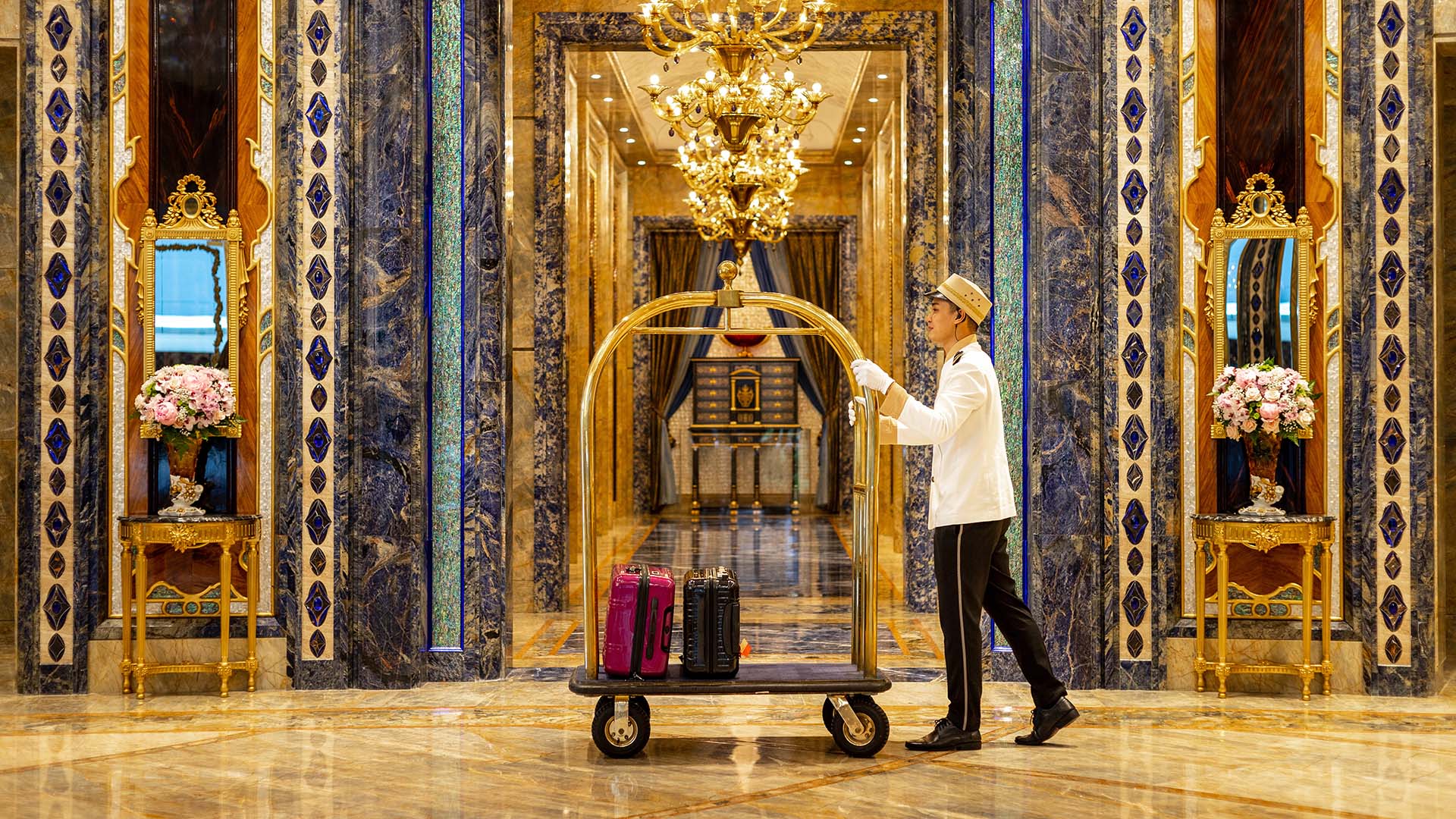
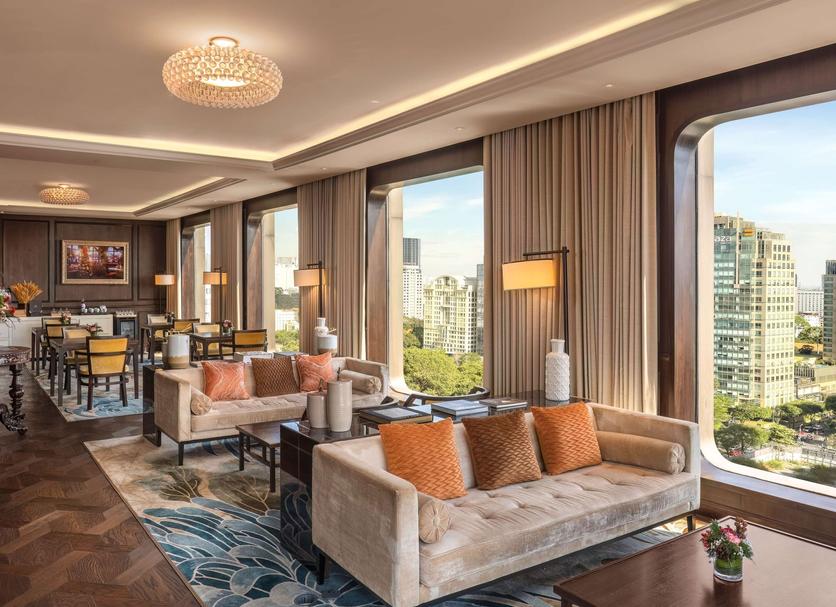
The Reverie Saigon
Located in District 1, The Reverie Saigon offers luxurious rooms with free Wi-Fi, an outdoor pool, spa, fitness center, and on-site restaurant serving Asian and Western dishes — just minutes from major landmarks.
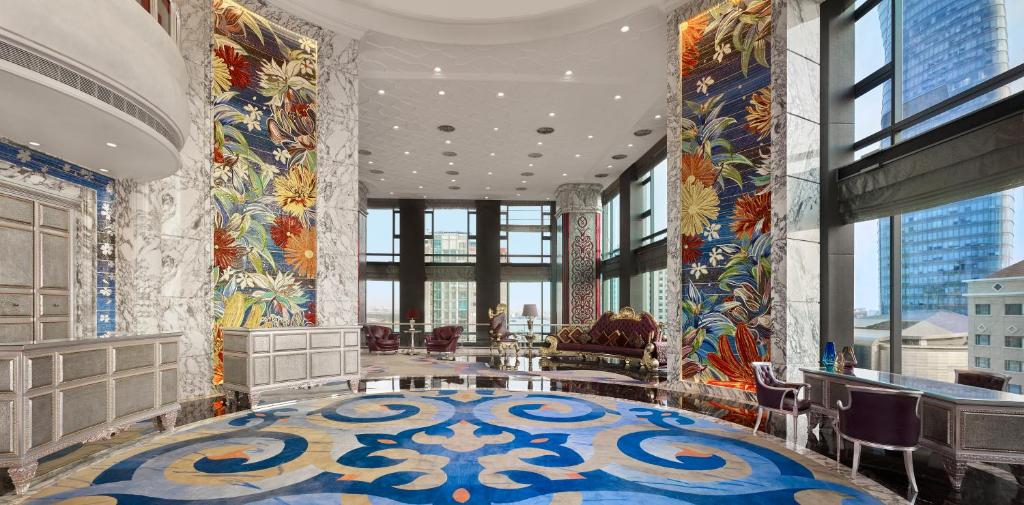
Hôtel des Arts Saigon – MGallery
Located in vibrant Ho Chi Minh City, Hotel Des Arts Saigon Mgallery Collection offers pet-friendly accommodation with free Wi-Fi, an outdoor pool, restaurant, bar, and 24-hour front desk — just steps from major attractions.
PriceAo show Ho Chi Minh as an emotional reference point that quietly stayed with me throughout the journey
Ao show Ho Chi Minh became more than an evening performance and slowly turned into an emotional reference point during my time in the south. I didn’t realize its influence right away. Only after a few days of walking through small streets, watching daily routines, and sitting quietly in local spaces did the memory of ao show Ho Chi Minh return. Among the many things to do in HCM City, the show didn’t explain the south to me or try to define it. Instead, it planted a feeling, one that resurfaced naturally as I moved through real places and real moments. That emotional imprint shaped how I observed everything that followed, without asking for attention.
Recognizing moments from the show later on the streets
As I wandered through Ho Chi Minh City, I began noticing small scenes that echoed moments from ao show Ho Chi Minh. A vendor adjusting their cart, a pause before movement, a shared silence between strangers. These were not direct comparisons, but gentle reminders. The performance had tuned my attention toward subtle rhythms rather than landmarks. Because of that, the streets felt familiar in an unexpected way, as if I had already been introduced to their pace through the show.