I expected Ba Den mountain to impress me visually first. Height, scale, sweeping views—those were the things I thought I would remember. Instead, what stayed with me was quieter and harder to describe. Standing there, I wasn’t overwhelmed by scenery as much as I was by a subtle emotional shift. The mountain didn’t ask me to admire it. It asked me to pause.
Ba Den mountain felt less like a destination and more like a space where attention turned inward. The climb, the changing air, and the gradual separation from familiar ground created a sense of distance that wasn’t measured in meters or steps. It was emotional distance—away from noise, urgency, and the need to constantly react. The views mattered, but they were secondary. What defined the experience was how the mountain changed the way I felt before it changed what I saw.
How Ba Den mountain slowly creates emotion through gradual separation from the everyday world
What surprised me most about Ba Den mountain was not a single dramatic moment, but the way emotion built quietly as I moved farther from familiar ground. The separation did not happen all at once. It unfolded in layers. With each change in altitude, the sounds softened, the pace slowed, and the sense of urgency I carried from below began to loosen. Ba Den mountain did not demand attention through spectacle. Instead, it created space, allowing feeling to surface naturally as distance from the everyday increased.
As I ascended, the mountain seemed to place a gentle pause between who I was before arriving and who I became while standing there. The journey itself mattered as much as the destination. Moving upward on Ba Den mountain felt like stepping away from routines, notifications, and mental noise, even though none of those things were physically far away. That gradual separation gave the experience emotional weight, making the mountain feel less like a place to visit and more like a moment to inhabit.
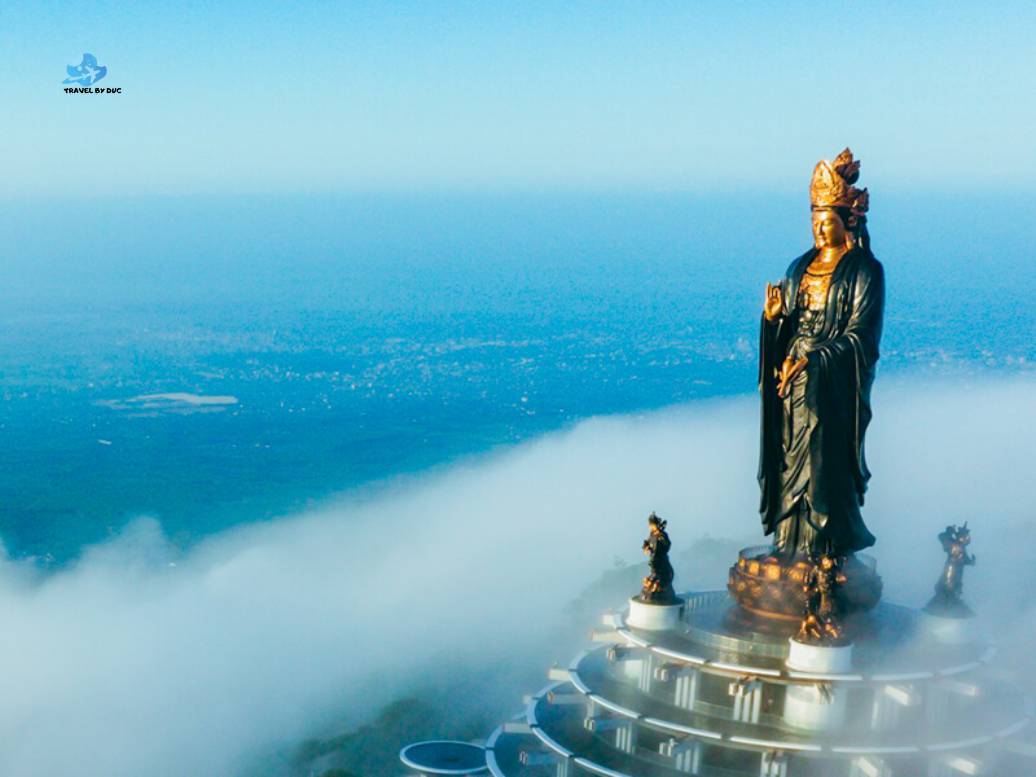
Leaving the lowlands and everyday rhythms behind
The first emotional shift happened before I fully noticed it. At the base of Ba Den mountain, life still moved with the same patterns I had grown used to roads, voices, small distractions. But as the climb continued, those rhythms began to fade. The lowlands slipped away quietly, not as a loss, but as a release. I felt less pulled by time and more guided by movement and breath.
Leaving the everyday behind did not feel dramatic. It felt gentle and unforced. The higher I went on Ba Den mountain, the more I noticed how my thoughts slowed to match my surroundings. There was no need to rush or document every detail. The absence of urgency became its own presence. In that space, emotion surfaced not as excitement, but as calm awareness, a feeling that I was finally moving at a pace that matched my inner state.
When physical elevation mirrors emotional distance
At a certain point, I realized that the elevation of Ba Den mountain was doing more than changing the view. It was creating emotional distance from everything I had carried with me. Each meter upward seemed to place a little more space between my mind and the concerns that had followed me throughout the trip. The physical climb mirrored an internal shift, where thoughts grew lighter and less demanding.
Standing higher on Ba Den mountain, I did not feel disconnected from the world below, but I felt gently removed from it. That distance allowed perspective to form without effort. Problems felt smaller, not because they disappeared, but because the mountain offered a wider frame to hold them. In that moment, Ba Den mountain became emotional not through scenery alone, but through the way it reshaped how I related to myself and everything I had left behind, even if only for a short while.
Experiencing Ba Den mountain without chasing viewpoints or ticking off scenic highlights
Arriving at Ba Den mountain, I noticed an instinctive urge to think about viewpoints, summits, and the moments I was supposed to capture. Yet once the journey began, that mindset slowly faded. Ba Den mountain did not feel like a place that rewarded rushing from one scenic stop to another. Instead, it invited a different kind of attention, one that stayed with the path itself rather than the destination. By letting go of the idea that every step needed to lead to a dramatic view, the experience became more grounded and surprisingly more personal.
Moving through Ba Den mountain without chasing viewpoints allowed the space to reveal itself in subtler ways. The sound of wind brushing past trees, the changing temperature on the skin, the quiet presence of other travelers sharing the same unspoken pace all became part of the memory. Without the pressure to “arrive,” the mountain felt less like a checklist item and more like a living environment unfolding moment by moment.
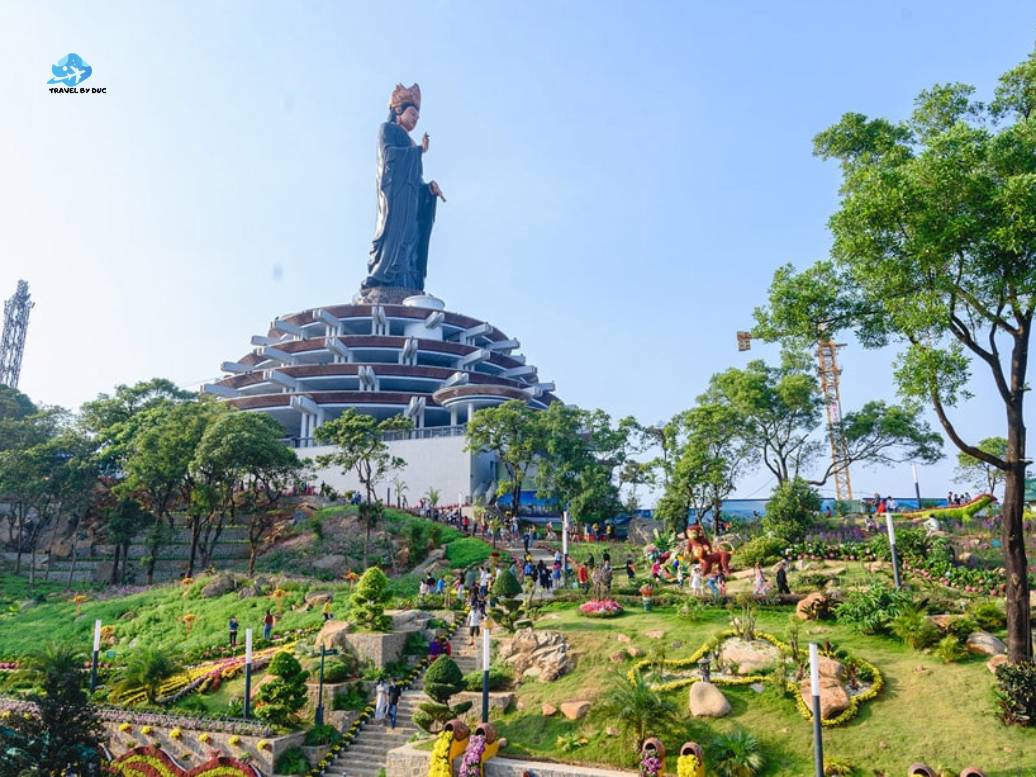
Letting the journey matter more than the summit
The summit of Ba Den mountain existed as a distant reference rather than a goal that demanded urgency. I found myself paying less attention to how far I had left to go and more to how each section of the path felt underfoot. This shift changed the entire rhythm of the experience. Time stretched, not because it slowed, but because it stopped being measured against progress.
By letting the journey matter more than the summit, Ba Den mountain became a space where presence replaced anticipation. There was no need to rush upward or compare my pace to anyone else’s. Each pause felt intentional, each step complete on its own. In that state, the mountain offered a sense of quiet satisfaction that did not depend on reaching the highest point, but on fully inhabiting the movement toward it.
Why slowing down revealed more than panoramic views
Some of the most lasting impressions from Ba Den mountain came not from wide panoramas, but from moments that could only be noticed by slowing down. A curve in the trail where light shifted unexpectedly, a brief opening in the trees that framed the sky, the subtle change in air as altitude increased these details would have been missed in a faster approach.
Slowing down revealed layers of Ba Den mountain that panoramic views alone could not provide. Instead of overwhelming the senses, the experience became intimate and reflective. The mountain offered understanding rather than spectacle, reminding me that travel does not always need dramatic visuals to feel meaningful. In choosing to slow my pace, Ba Den mountain showed me more than any viewpoint could, shaping a memory defined by presence rather than scenery.
The quiet power of silence and scale while moving through Ba Den mountain
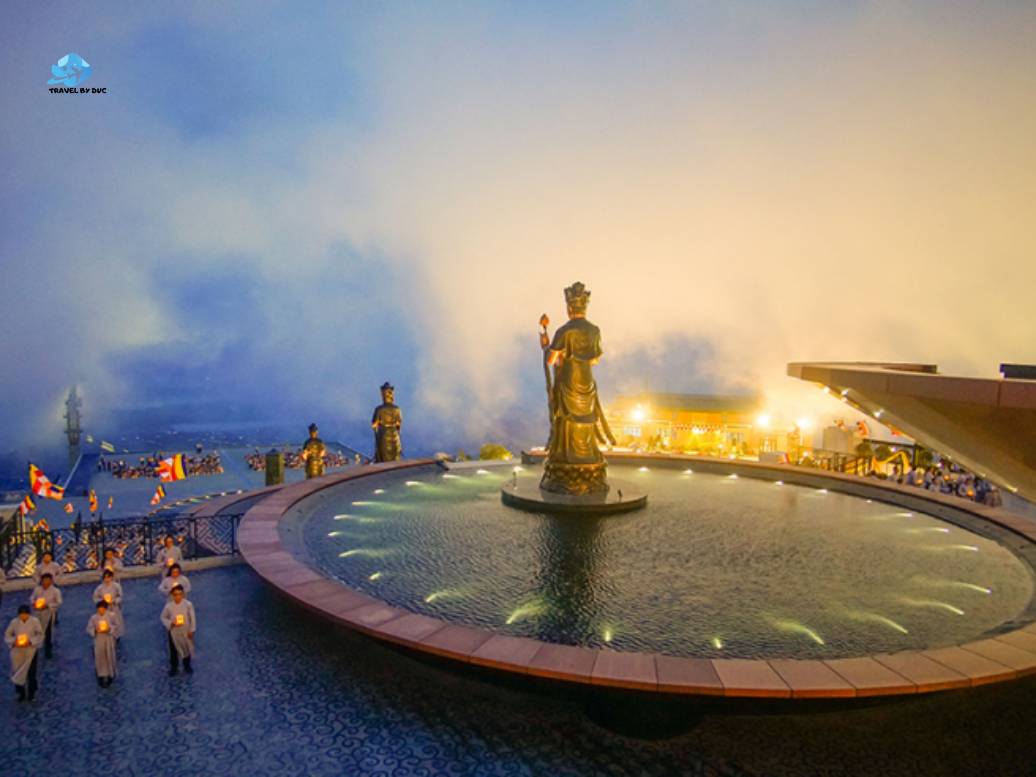
How open space changes internal dialogue
As the space around me widened on Ba Den mountain, my internal dialogue began to soften. Thoughts that had felt urgent earlier in the day lost their sharp edges. The mountain did not provide answers, but it gently removed the noise that made questions feel heavy. In the open stretches of trail, silence became a companion rather than something to resist.
This shift happened naturally. Without constant visual or auditory distractions, the mind adjusted its pace to match the surroundings. On Ba Den mountain, open space created pauses between thoughts, allowing awareness to replace analysis. The experience felt less like reflection and more like quiet observation, where presence took the place of explanation.
Feeling small without feeling insignificant
Standing within the scale of Ba Den mountain, there was a clear sense of being small, yet it carried no trace of discomfort. Instead of diminishing the self, the mountain’s size offered relief. It reminded me that not everything needs to be controlled, understood, or held tightly. In that realization, there was unexpected comfort.
Ba Den mountain made it possible to feel small without feeling insignificant. The vastness did not erase identity; it placed it gently within a larger context. This perspective lingered long after the walk ended, shaping how I carried myself back into the world below. The mountain did not ask for anything in return, yet it offered a quiet recalibration one that felt deeply personal and enduring.
Read more:
Bus from HCMC to Phnom Penh and how borders feel from a seat by the window
Bus from Ho Chi Minh to Da Lat seen through changing light and landscape
Conclusion
Ba Den mountain stayed with me not because of a single view or a dramatic moment, but because of how it quietly reshaped my inner pace. The experience unfolded slowly, allowing emotion to surface without being forced by scenery or expectation. Walking through Ba Den mountain felt less like reaching a destination and more like entering a space where distance, silence, and scale worked together to create clarity.
What made Ba Den mountain meaningful was its ability to offer perspective without instruction. By the time I descended, the world below felt familiar yet slightly altered, as if something unnecessary had been gently set aside. The mountain did not try to impress, and that restraint became its strongest presence. In my travel diary, Ba Den mountain remains a place where feeling came before explanation, leaving an imprint that was subtle, steady, and deeply personal.
Duc I'm a traveler who was born and raised right here in Vietnam. For decades, I’ve been exploring, and for me, traveling is much more than seeing sights. Today, through my blog, Travel by Duc, my mission is simple: to be a genuine resource to help you travel smarter, explore the world with confidence, and find a deeper sense of connection wherever you go. The world is waiting, and I look forward to exploring it together!