Before arriving in Vietnam, I did not expect Japanese dining to become one of the most memorable parts of my trip. Ho Chi Minh City felt defined by street food, coffee culture, and river dinners. Yet one evening, searching for the best teppanyaki Ho Chi Minh, I stepped into a completely different rhythm of the city.
Teppanyaki here was not just about performance or flame. It was about precision, balance, and atmosphere. Sitting at the counter, watching ingredients transform on a hot iron surface, I realized that this experience reflected another side of Saigon—cosmopolitan, refined, and quietly confident. The search for the best teppanyaki Ho Chi Minh turned into a journey through spaces that blended Japanese technique with the evolving culinary identity of the city.
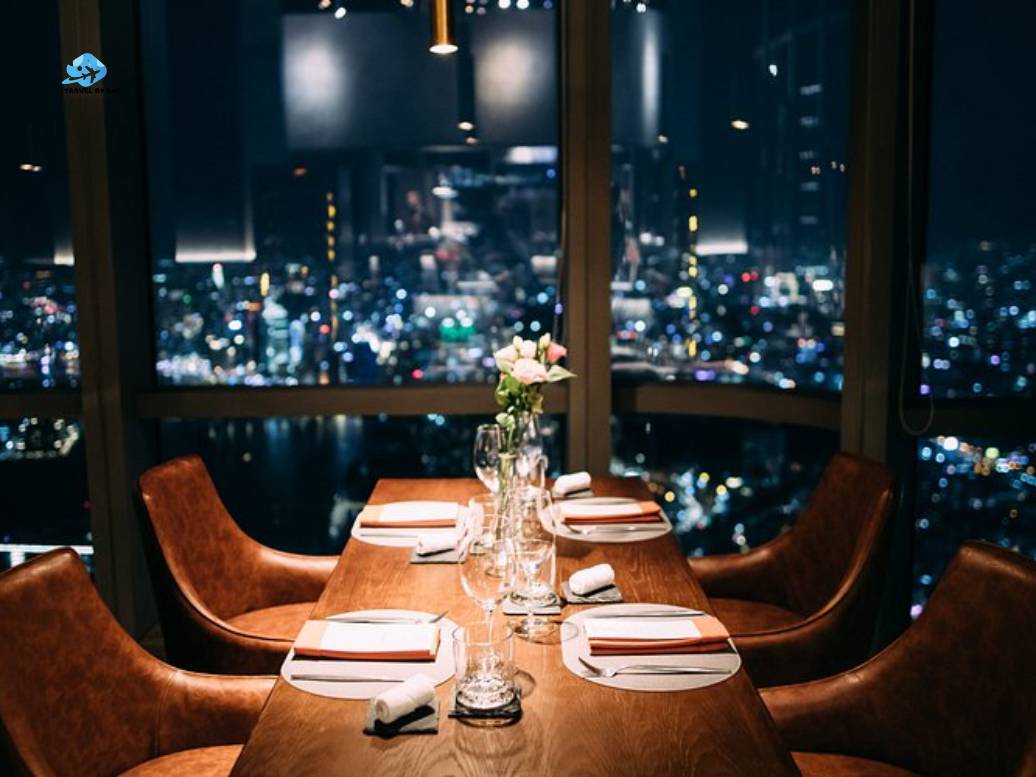
Discovering how the best teppanyaki Ho Chi Minh quietly balances technical precision with personal atmosphere
When I began searching for the best teppanyaki Ho Chi Minh, I expected flames, fast knives, and a kind of culinary performance designed to impress. What I did not expect was how personal the experience would feel. Each restaurant I visited interpreted teppanyaki differently, not only through ingredients and technique, but through mood, pacing, and the subtle energy between chef and guest.
The best teppanyaki Ho Chi Minh, at least in my experience, was not defined by spectacle alone. It was shaped by small details: how the chef placed each slice of beef, how the oil touched the grill, how silence sometimes replaced conversation. Precision created structure, but personality gave the meal warmth. Sitting at the counter, I felt less like a customer and more like a quiet witness to a craft that demanded patience and respect.
Kobe Teppanyaki Restaurant and the discipline of classic Japanese technique
At Kobe Teppanyaki Restaurant, the atmosphere felt restrained in the most reassuring way. The space was clean, deliberate, almost meditative. Watching the chef work, I noticed how controlled every movement was. There were no exaggerated gestures, no unnecessary flair. The spatula moved with certainty, the ingredients were arranged with intention, and the plating remained minimal.
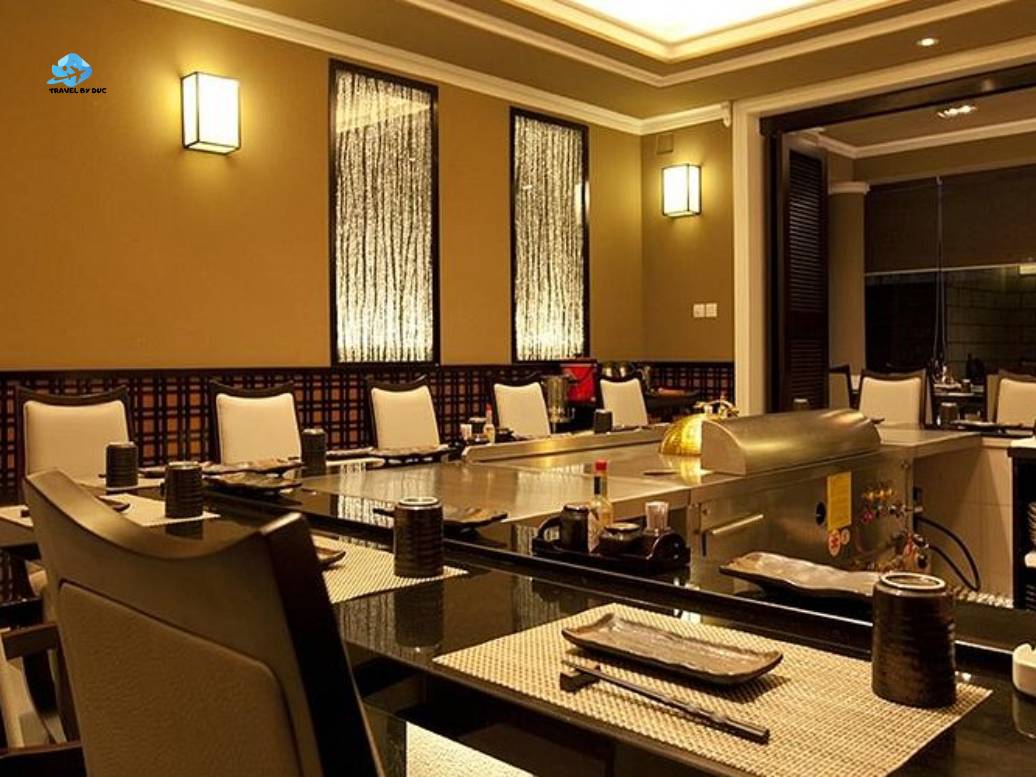
In that simplicity, I began to understand why authenticity matters so much when searching for the best teppanyaki Ho Chi Minh. The focus stayed on the quality of the ingredients and the discipline behind the technique. The sound of beef searing on the hot iron plate became the main soundtrack of the evening. Steam rose slowly, carrying aromas that felt both rich and refined.
There was something grounding about this experience. It reminded me that the best teppanyaki Ho Chi Minh does not need to compete with the city’s energy outside. Instead, it offers contrast. While Ho Chi Minh City moves quickly, Kobe Teppanyaki Restaurant felt steady and composed. I left feeling that I had not just eaten dinner, but observed a tradition practiced with quiet confidence.
Ine Teppanyaki and Sushi and the harmony between sushi artistry and grill performance
If Kobe felt disciplined and focused, Ine Teppanyaki & Sushi offered a different interpretation of the best teppanyaki Ho Chi Minh. Here, the experience blended two culinary traditions in a single evening. I moved from watching fish sliced with delicate precision to seeing vegetables and seafood transform on the grill just moments later.
Experiencing both sushi artistry and teppanyaki performance created a layered rhythm to the meal. The cold clarity of sashimi contrasted with the warmth of freshly grilled scallops. This balance elevated my search for the best teppanyaki Ho Chi Minh beyond a single technique. It became about harmony.
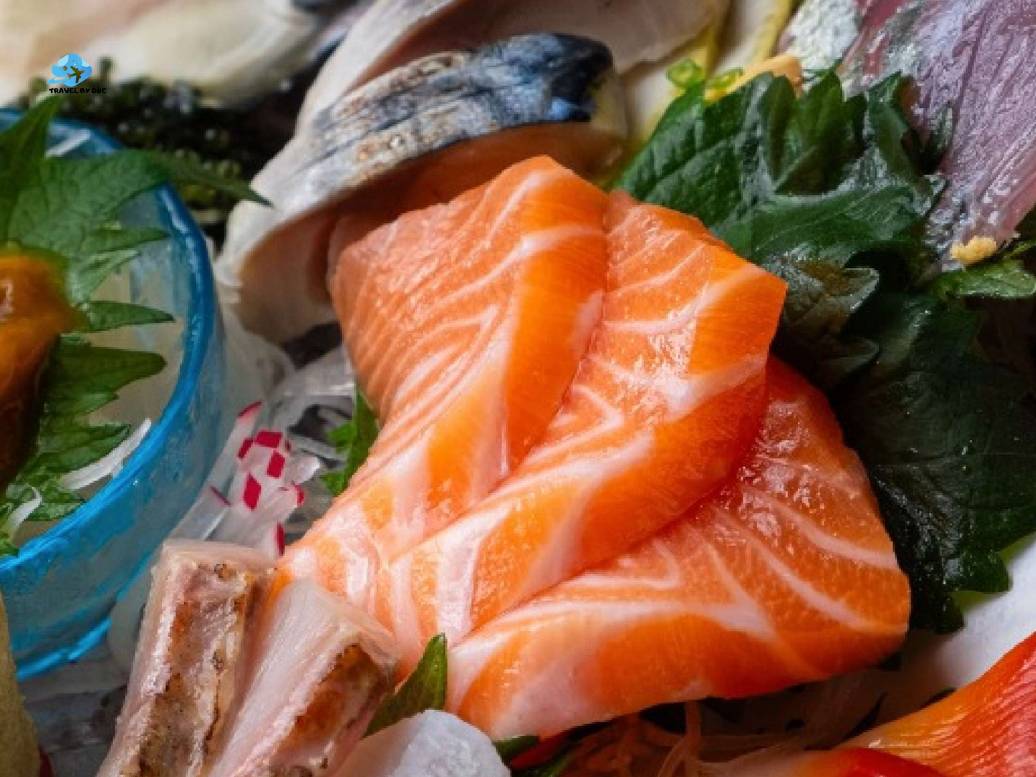
What stayed with me most was the sense of flow. Nothing felt rushed or disconnected. Each course seemed to acknowledge the previous one. The chef shifted between knife and grill with ease, as if guiding the evening rather than simply executing it. In that balance, I found something unexpected: a feeling of continuity between cultures, flavors, and textures.
Looking back, the best teppanyaki Ho Chi Minh was not about declaring one restaurant superior to another. It was about recognizing how each space interpreted precision in its own way. At Kobe, discipline defined the experience. At Ine, harmony shaped it. Together, they showed me that in Ho Chi Minh City, even a Japanese dining tradition can reflect the layered identity of the place itself.
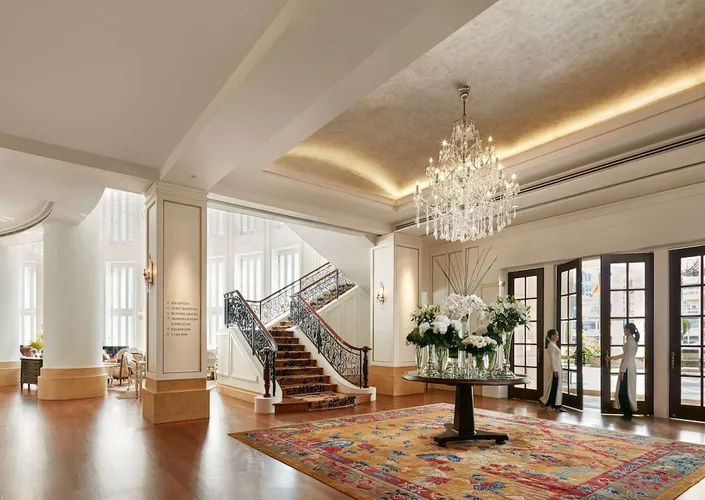
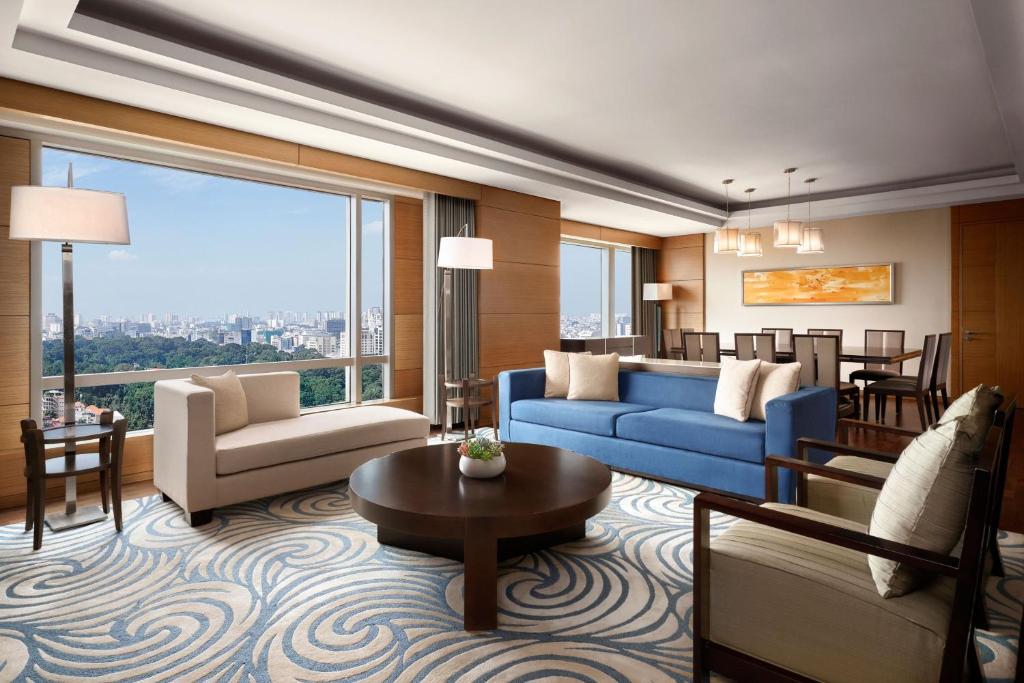
Located in central Ho Chi Minh City, Fusion Original Saigon Centre features free Wi-Fi, a restaurant, bar, outdoor pool, fitness center, and sauna. It’s a non-smoking hotel just a 3-minute walk from Takashimaya Vietnam. Located in vibrant Ho Chi Minh City, Hotel Des Arts Saigon Mgallery Collection offers pet-friendly accommodation with free Wi-Fi, an outdoor pool, restaurant, bar, and 24-hour front desk — just steps from major attractions.The best boutique hotels in Ho Chi Minh
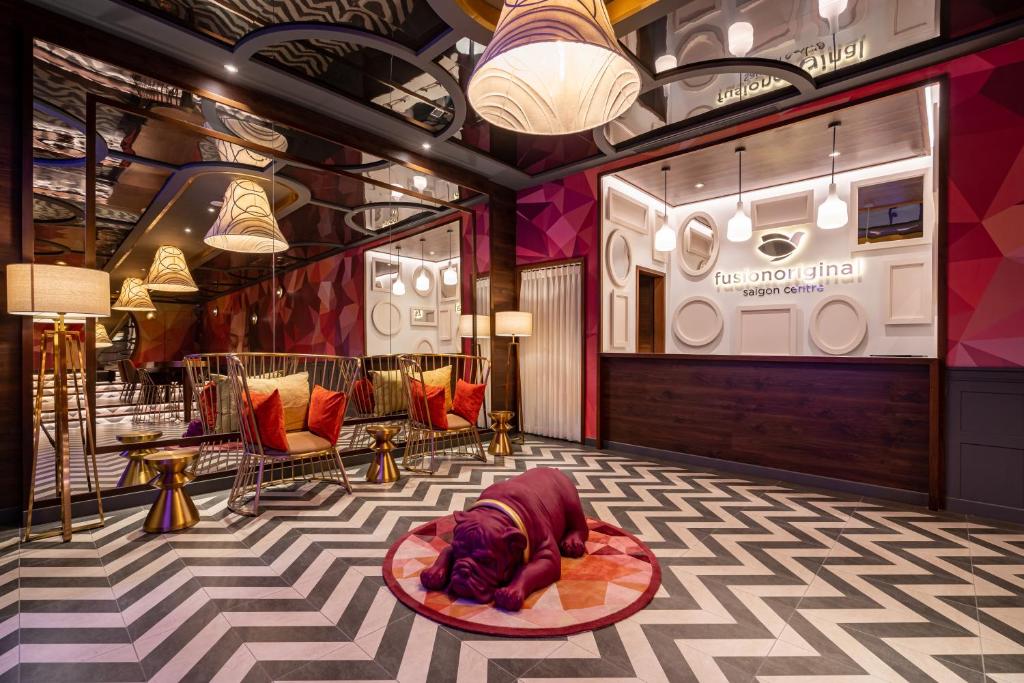
Fusion Original Saigon Centre
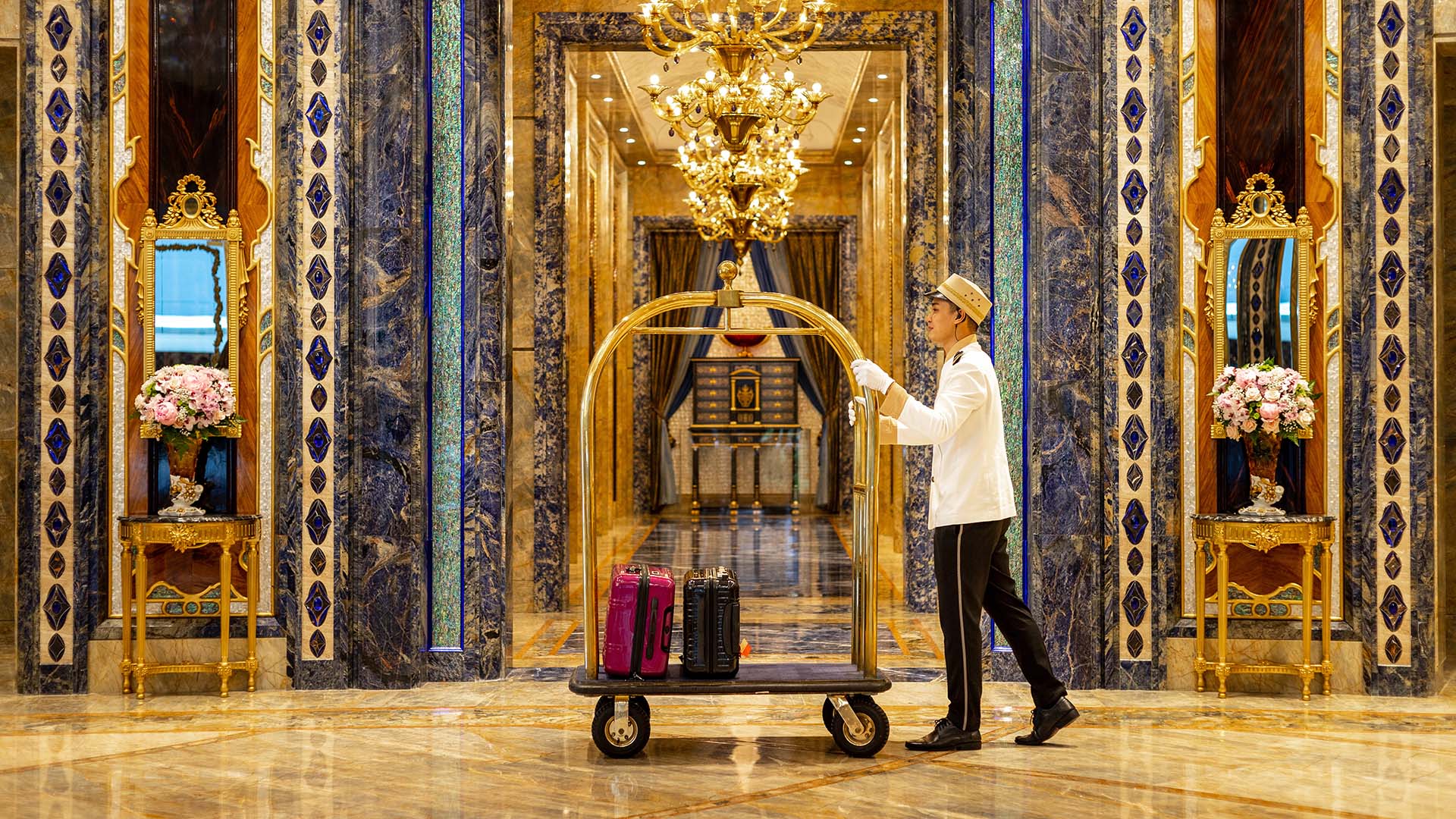
The Reverie Saigon
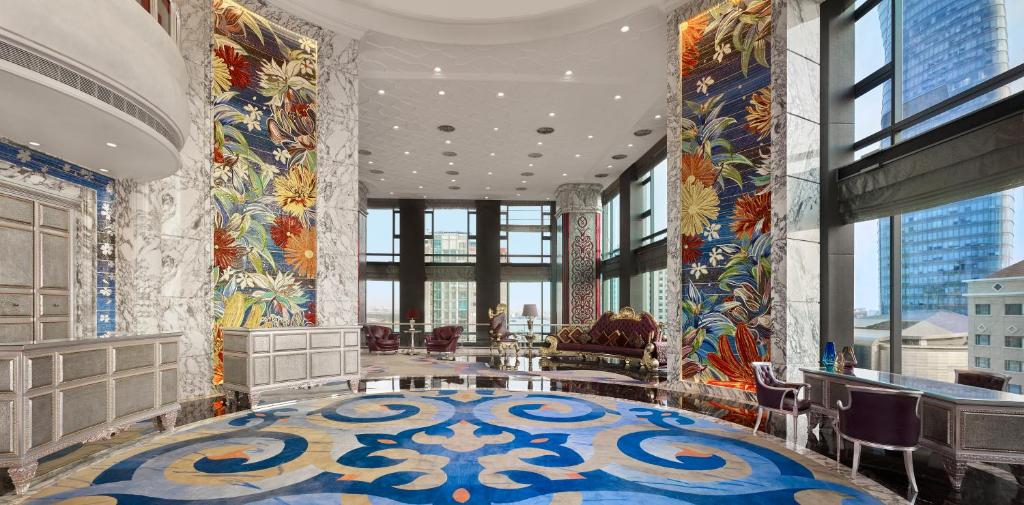
Located in District 1, The Reverie Saigon offers luxurious rooms with free Wi-Fi, an outdoor pool, spa, fitness center, and on-site restaurant serving Asian and Western dishes — just minutes from major landmarks.
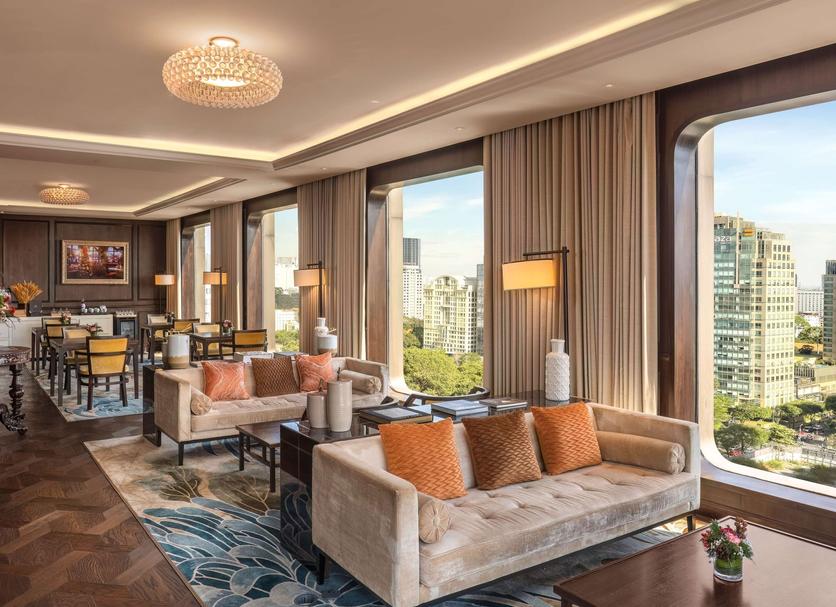
Hôtel des Arts Saigon – MGallery
Understanding how atmosphere becomes the decisive element when choosing the best teppanyaki Ho Chi Minh
After visiting several restaurants in my search for the best teppanyaki Ho Chi Minh, I began to realize that technique alone was not what stayed with me. The precision of the knife, the temperature of the grill, the quality of the beef — all of these mattered. But what truly shaped my memory of each evening was the atmosphere. The lighting, the layout, the distance between chef and guest, even the quiet background music — these subtle elements transformed dinner into something far more emotional.
In a city as energetic as Ho Chi Minh, stepping into a teppanyaki restaurant often feels like entering a different world. The best teppanyaki Ho Chi Minh is not simply about taste; it is about how the environment frames that taste. I noticed that when the setting felt intentional and cohesive, every bite seemed more meaningful. Ambiance guided perception. It slowed me down, encouraged observation, and allowed the cooking performance to unfold like a carefully paced story.
Bamboo Chic and the fusion of luxury and theatrical cooking
At Bamboo Chic, the first impression came even before the grill was lit. The interior design carried a sense of modern luxury, with warm tones, polished surfaces, and soft lighting that reflected gently off the metal cooking stations. The atmosphere felt curated, almost cinematic. As I settled into my seat, I sensed that this restaurant understood how presentation begins long before the first dish arrives.
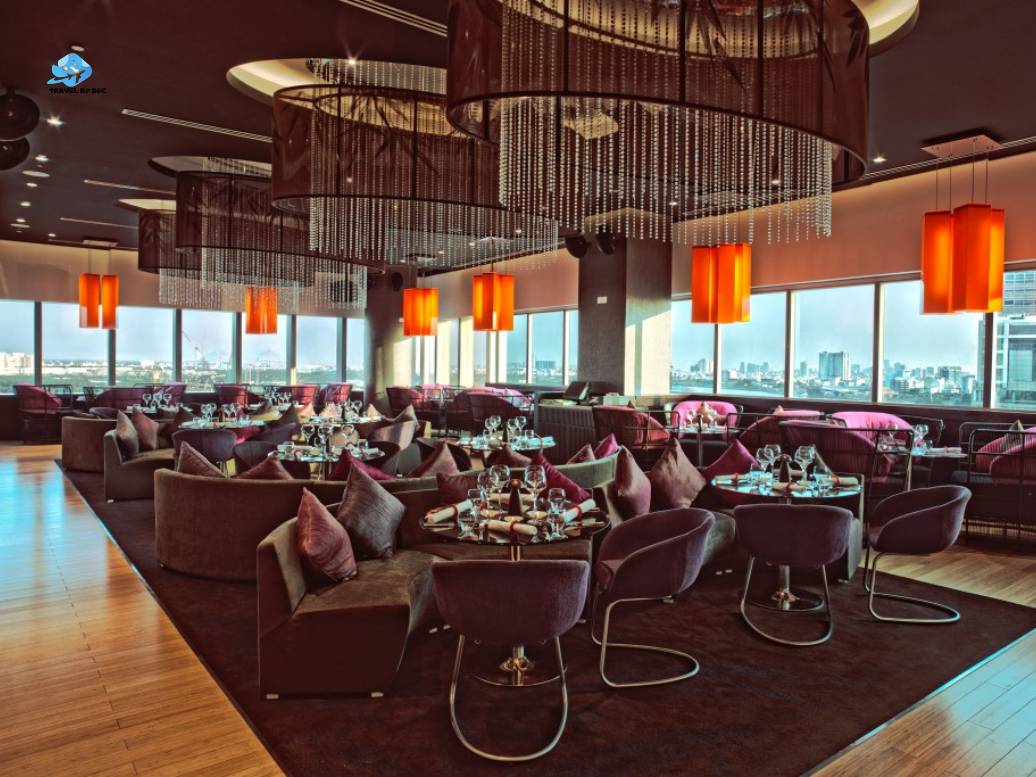
When the chef started cooking, the theatrical aspect of teppanyaki blended seamlessly with the elegant surroundings. Flames rose briefly, casting moving shadows across the walls. The controlled movements of the chef felt amplified by the lighting, as if every gesture had been choreographed. In that moment, I understood how ambiance can elevate the best teppanyaki Ho Chi Minh beyond a simple meal.
Design and lighting shaped the rhythm of the evening. The room felt intimate yet refined, allowing conversation without overpowering the senses. Dinner at Bamboo Chic did not feel rushed or casual. It felt curated. The environment transformed cooking into a performance and dining into an experience that lingered long after I stepped back into the busy streets outside.
EL Doko Teppanyaki and Omakase and the intimacy of chef led dining
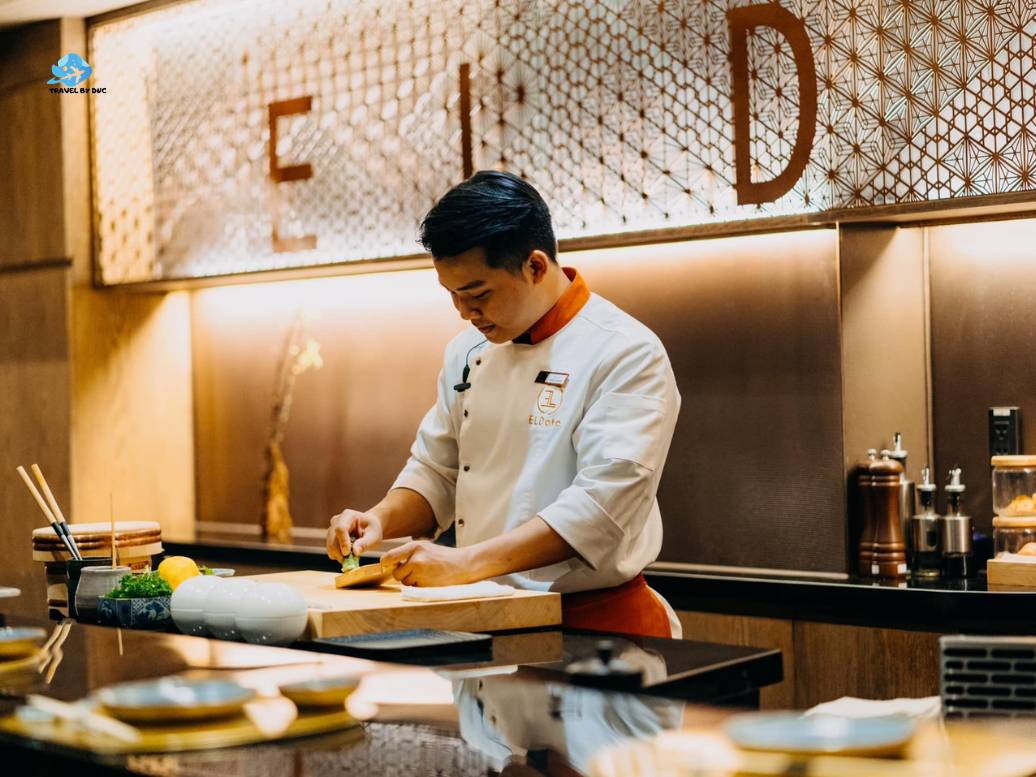
If Bamboo Chic impressed me with scale and elegance, EL Doko Teppanyaki & Omakase moved in the opposite direction. Here, intimacy defined everything. The seating arrangement placed me close to the chef, close enough to hear the subtle scrape of the spatula and the gentle sizzle of oil touching hot iron. There was no physical or emotional distance.
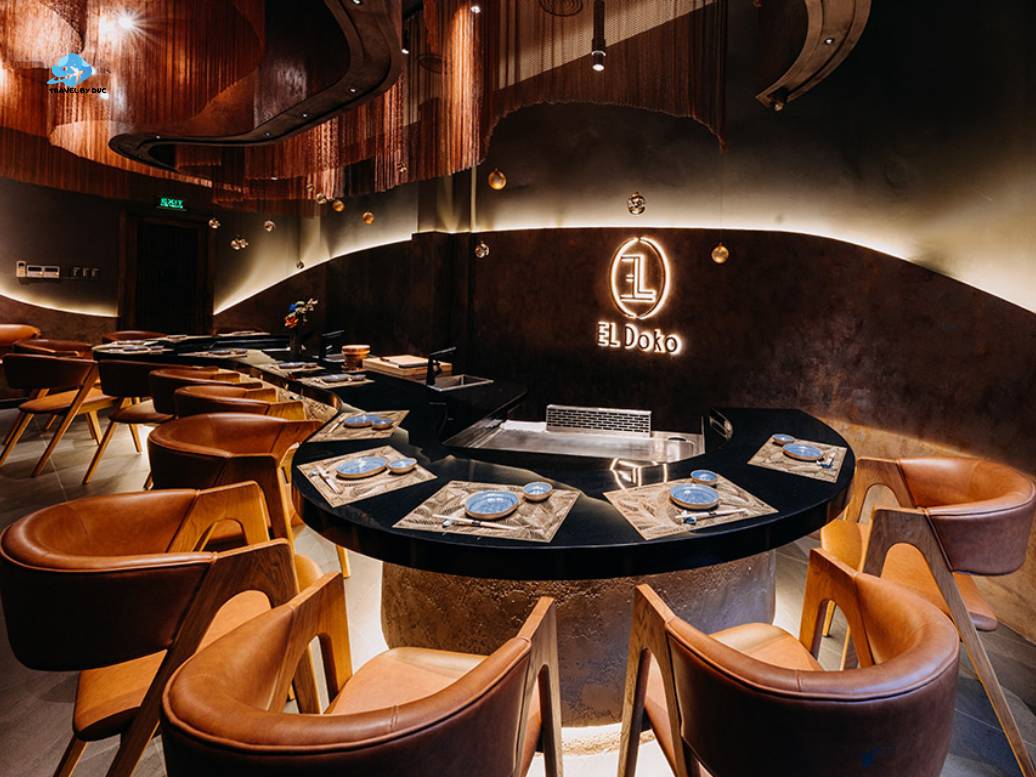
Sitting just across the counter, I felt included in the process rather than simply observing it. The chef occasionally explained the origin of an ingredient or adjusted seasoning based on personal preference. That small interaction changed the entire tone of the evening. In my search for the best teppanyaki Ho Chi Minh, I realized that personalization can matter as much as flavor.
The intimacy created trust. Each dish felt intentional, prepared not for a crowd but for the individual sitting in front of the grill. The omakase element reinforced that sense of surrender, allowing the chef to guide the journey. I found myself paying closer attention to textures and subtle seasoning, noticing details that might have been lost in a larger, more theatrical setting.
By the end of the night, I understood that finding the best teppanyaki Ho Chi Minh depends not only on culinary mastery but also on emotional resonance. At Bamboo Chic, ambiance magnified drama and elegance. At EL Doko, closeness created connection and authenticity. Together, these experiences showed me that atmosphere does not simply support the meal — it defines it.
Why modern Saigon quietly redefines expectations of Japanese dining through cultural contrast and culinary evolution
When I first arrived in Saigon, I expected noise, motorbikes, plastic stools, and bowls of noodles eaten under fluorescent lights. I did not expect that my search for the best teppanyaki Ho Chi Minh would become a reflection on how the city itself is changing. Yet somewhere between street-side grills and polished teppanyaki counters, I began to see a broader story unfolding — one that connects every restaurant in Ho Chi Minh, from the simplest eatery to the most refined dining room.
Modern Saigon does not abandon its roots; it expands them. The city embraces contrast without tension. You can have a bowl of bun thit nuong on a crowded sidewalk at noon and later sit in a refined dining room watching a chef slice Wagyu with deliberate precision. The coexistence feels natural rather than forced. In this way, the best teppanyaki Ho Chi Minh is not an imported concept placed awkwardly into Vietnamese culture. It feels like part of a larger evolution — a city confidently layering global influence onto a strong local foundation. Every restaurant in Ho Chi Minh becomes part of this narrative, each contributing a different tone to the same urban symphony.
Through these dining experiences, I realized that Japanese cuisine here is not about imitation. It is about reinterpretation within Saigon’s rhythm. The refinement of teppanyaki does not replace the city’s street food culture; instead, it highlights the remarkable range that defines Ho Chi Minh City today. Whether seated at a quiet teppanyaki counter or stepping back onto the bustling pavement outside a local restaurant in Ho Chi Minh, I felt the same underlying energy — a city constantly evolving, yet always unmistakably itself.
The contrast between street food culture and refined teppanyaki spaces
One evening, after spending hours wandering through local markets and tasting grilled skewers on the sidewalk, I stepped into a teppanyaki restaurant. The shift was immediate. Outside, the air carried smoke and conversation; inside, the lighting was soft, the surfaces polished, and every movement intentional. The contrast felt dramatic yet strangely harmonious.
Street food in Saigon is spontaneous and communal. It thrives on speed and familiarity. In contrast, the best teppanyaki Ho Chi Minh unfolds slowly. Each ingredient is introduced with care. Each gesture of the chef is deliberate. Instead of the chaotic symphony of the streets, there is controlled rhythm — the measured tap of a knife, the steady hiss of the grill.
Experiencing both worlds within the same city helped me understand Ho Chi Minh City more deeply. Its identity is not singular. It is layered. The refined teppanyaki spaces do not compete with street vendors; they complement them. Together, they show a city comfortable with duality — one that honors tradition while confidently embracing sophistication.
When global cuisine becomes part of local identity
What struck me most during my journey was how seamlessly global cuisine integrates into daily life here. The best teppanyaki Ho Chi Minh is not sustained by tourists alone. I noticed local diners celebrating birthdays, hosting business meetings, or simply enjoying a quiet evening. Japanese dining has become part of the urban lifestyle rather than a novelty.
Over time, flavors that once felt foreign become familiar. Imported ingredients meet Vietnamese preferences. Service styles adapt subtly to local warmth and hospitality. In this process, global cuisine transforms into something uniquely Saigonese.
As I reflected on my travels, I realized that food often reveals a city’s direction. In Ho Chi Minh City, the presence of refined Japanese dining alongside vibrant street culture speaks of openness and ambition. The best teppanyaki Ho Chi Minh does more than satisfy an appetite; it mirrors a city that is evolving, experimenting, and confidently shaping its own modern identity.
Walking back into the humid night after dinner, I no longer saw contrast as separation. I saw it as balance. Saigon does not choose between tradition and modernity. It allows both to exist — sometimes even on the same street. And somewhere between a sidewalk grill and a gleaming teppanyaki counter, I found a deeper understanding of the city itself.
Read more:
A personal evening through dinner Ho Chi Minh City
Lunch Ho Chi Minh City and the rhythm of everyday streets
Conclusion
Looking back on my evenings spent searching for the best teppanyaki Ho Chi Minh, I realize the journey was never only about grilled Wagyu or the precision of a chef’s knife. It was about understanding a city through contrast. In Saigon, refinement and raw energy coexist without conflict. A quiet teppanyaki counter can exist just minutes away from a bustling street food stall, and somehow both feel equally authentic.
The best teppanyaki Ho Chi Minh is memorable not simply because of technique or premium ingredients, but because of the context in which it exists. Dining here becomes a reflection of modern Ho Chi Minh City itself — ambitious, open to global influence, yet firmly rooted in its own rhythm. The experience feels personal rather than performative. It is shaped by atmosphere, by the chef’s presence, and by the subtle blend of Japanese discipline and Vietnamese warmth.
As a traveler, I came expecting flavor. I left with perspective. Through these meals, I began to see how Saigon continuously redefines itself without losing its essence. In the end, the search for the best teppanyaki Ho Chi Minh became less about finding a single perfect restaurant and more about witnessing a city confidently writing its next chapter — one carefully grilled course at a time.
Duc I'm a traveler who was born and raised right here in Vietnam. For decades, I’ve been exploring, and for me, traveling is much more than seeing sights. Today, through my blog, Travel by Duc, my mission is simple: to be a genuine resource to help you travel smarter, explore the world with confidence, and find a deeper sense of connection wherever you go. The world is waiting, and I look forward to exploring it together!