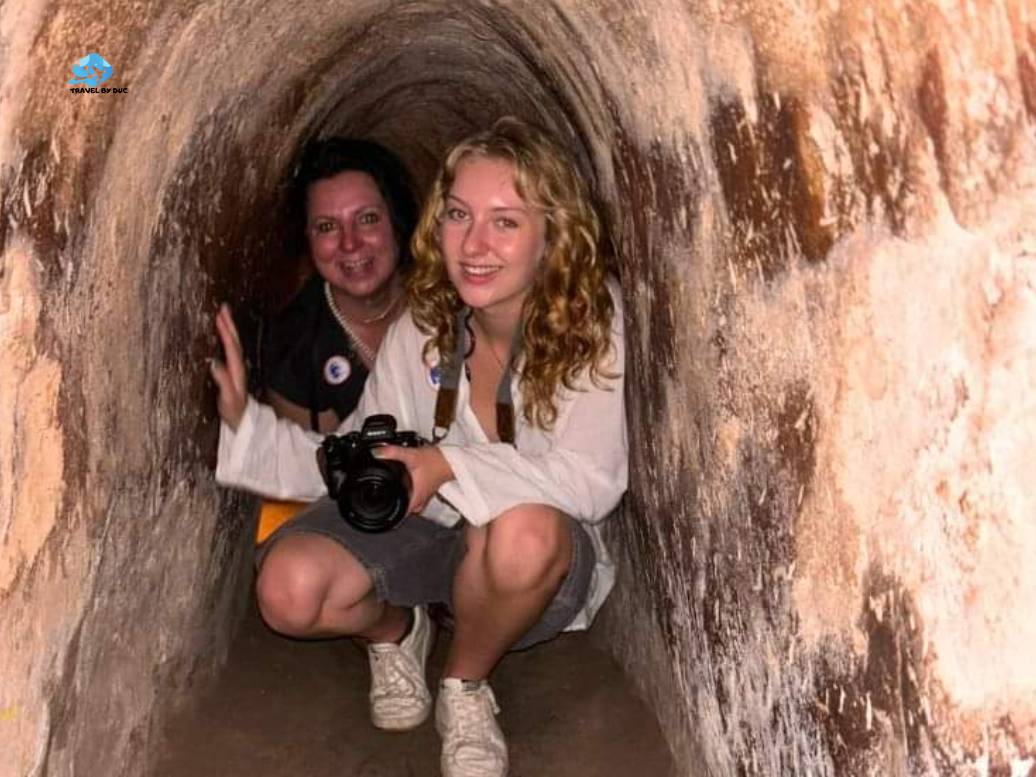
Walking through the Cu Chi tunnel Saigon felt like stepping into a living piece of history rather than just visiting a tourist site. As I moved slowly through the narrow passages underground, I could almost imagine the lives of the people who once stayed hidden here — soldiers, families, and communities who relied on these tunnels for survival. The experience wasn’t just about crawling through small spaces; it was about understanding the resilience, strategy, and emotional weight behind every chamber and path beneath the ground. More than a war attraction, the Cu Chi tunnel Saigon made me reflect on how deeply history is woven into everyday landscapes, and how powerful it feels to stand inside a place where real stories once unfolded in silence.
Why visiting the Cu Chi tunnel Saigon became a deeper and more emotional experience than I first imagined
Before I arrived at the Cu Chi tunnel Saigon, I thought it would simply be another historical stop on my trip — something to check off my list, like a typical sightseeing activity. But the moment I stood at the entrance of the tunnel Cu Chi network, surrounded by quiet forest and shaded pathways, my mood changed. I felt a mixture of curiosity and hesitation, wondering what it would be like to step into a place that once carried so much fear, struggle, and resilience.
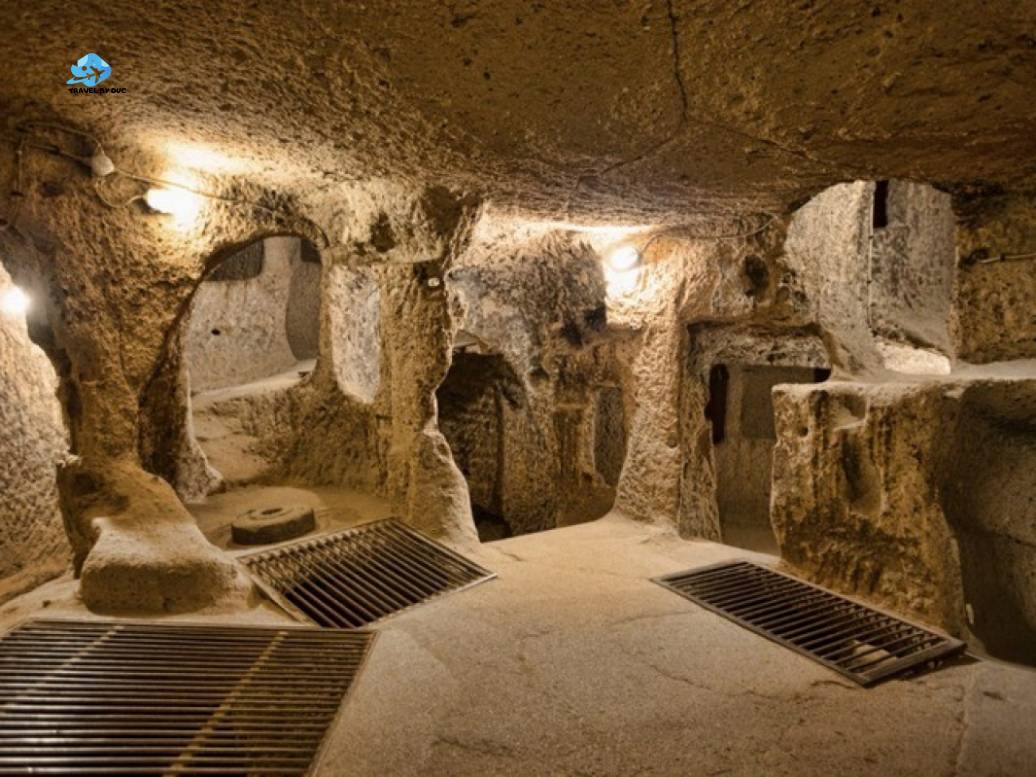
As I slowly moved underground, the air grew heavier and the space around me tightened. The Cu Chi tunnel Saigon system felt smaller than I expected, and every step made me realize how much courage people needed to survive here. I could almost imagine the sounds, the tension, and the uncertainty that once filled these narrow passageways. Walking through the tunnel Cu Chi didn’t feel like a tourist activity anymore — it felt like entering a living memory. The dim light, the earthy walls, and the silence made the experience deeply personal, almost reflective.
When I finally came back to the surface, the emotions stayed with me longer than I anticipated. Visiting the Cu Chi tunnel Saigon changed the way I thought about history — it wasn’t just about events or timelines, but about real people, real fear, and real determination. Even after leaving the site, I carried a quiet sense of respect and gratitude. This visit wasn’t dramatic or staged; instead, it felt sincere, emotional, and profoundly human — a moment from my journey in Vietnam that I know I will always remember.
Walking experiences inside the Cu Chi tunnel Saigon that stayed in my memory long after the visit
When I think back to my time at the Cu Chi tunnel Saigon, what I remember most are not just the facts from the guide, but the feelings that came from walking, bending, and sometimes crawling through the spaces where real people once lived and survived. Every step inside the tunnel Cu Chi felt like stepping deeper into history — not in a museum sense, but in a raw, physical way. Moving between light and darkness, between the world above and the world hidden underground, helped me see why this place is often mentioned among meaningful suggestions for Ho Chi Minh what to see. More than a historical site, it became an emotional journey, one that stayed with me long after I left.
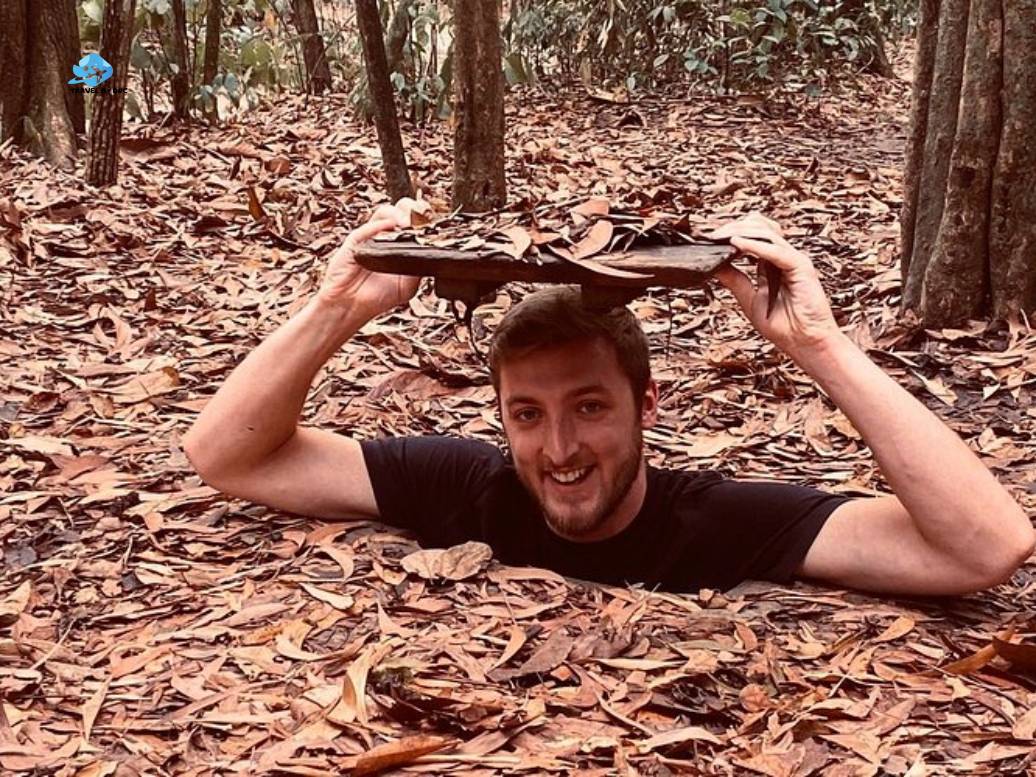
crawling through the narrow tunnels
The moment I crawled through the narrow sections of the Cu Chi tunnel Saigon, I realized how small and confined the spaces truly were. It wasn’t just a physical challenge — it was an emotional experience that made me think about the people who once moved through the tunnel Cu Chi in complete silence, sometimes for hours. My knees touched the ground, my back bent low, and the air felt heavier the deeper I went. There were short moments when history felt incredibly real, when I could almost imagine the fear, resilience, and determination of those who once relied on these tunnels for protection and survival.
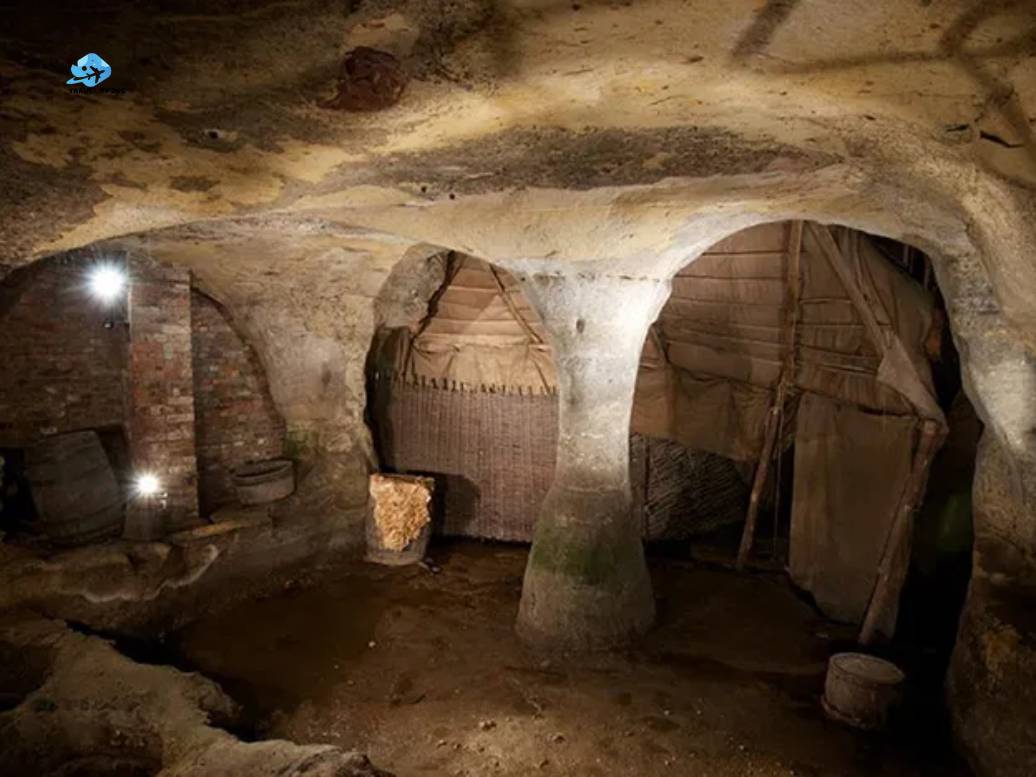
visiting underground rooms and hidden areas
Exploring the underground rooms inside the Cu Chi tunnel Saigon helped me understand how life was organized beneath the surface. There were kitchens, meeting spaces, and small living corners that showed how people worked, planned, and lived during wartime. Standing in those hidden areas of the tunnel Cu Chi, I tried to imagine daily routines — meals cooked with minimal smoke, quiet conversations in dim light, families adapting to uncertainty. It felt less like visiting a tourist attraction and more like walking into a story that still carries emotional weight.
exploring the surrounding landscape above ground
Outside the tunnels, the surrounding landscape of the Cu Chi tunnel Saigon added another layer to the experience. I walked past reconstructed traps, shelters, and preserved areas that helped connect what happens below the ground with what once happened above it. Seeing the surface of the tunnel Cu Chi made everything feel more complete — the contrast between nature, silence, and the hidden world beneath made the historical context clearer in a way no textbook ever could. It was this balance between walking above ground and moving underground that truly shaped my understanding of the place.
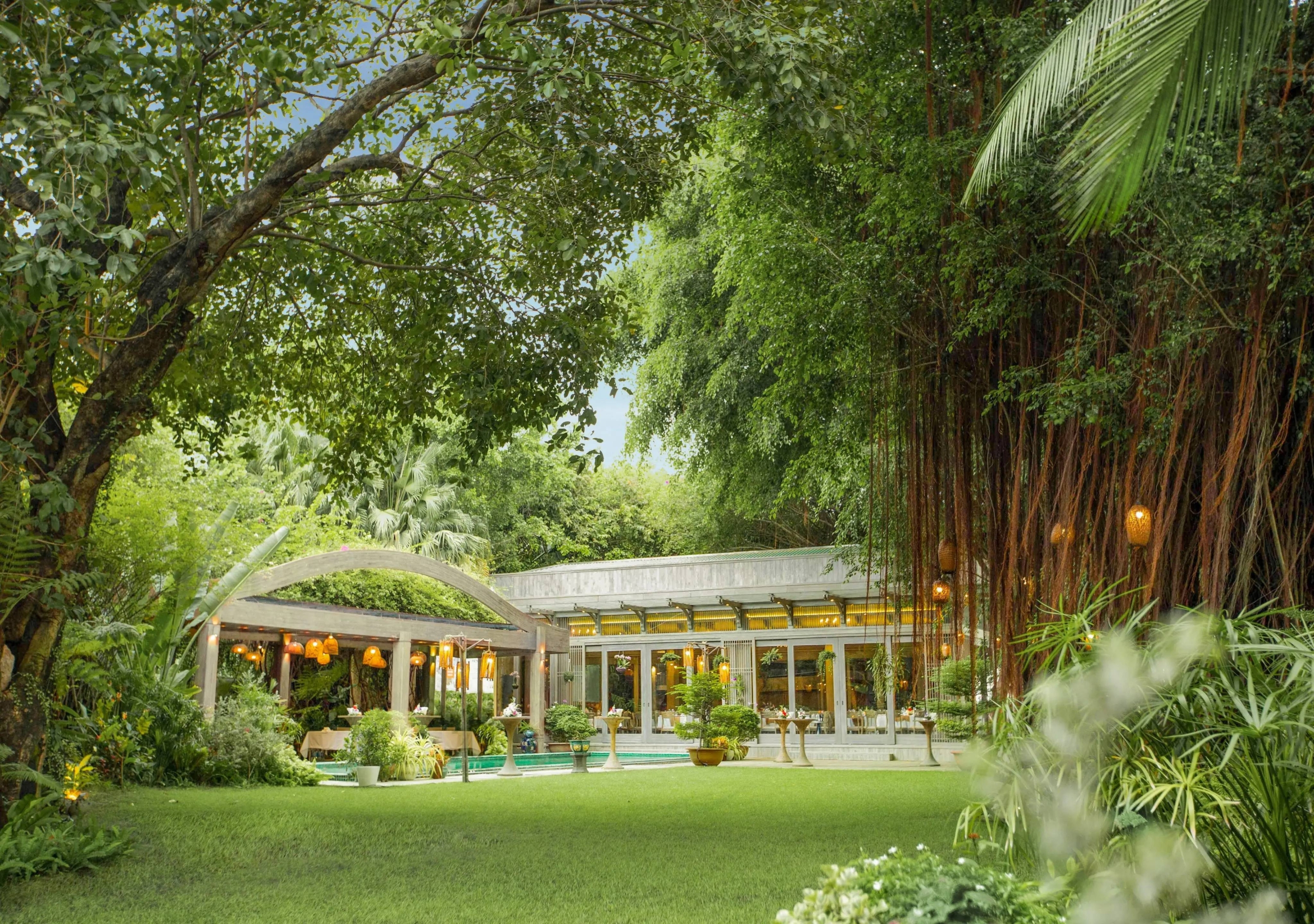


Tips for travelers planning a visit to the Cu Chi tunnel Saigon for a more thoughtful and meaningful experience
When I planned my trip to the Cu Chi tunnel Saigon, I didn’t just want to “tick off” a famous attraction — I wanted to experience it in a way that felt respectful, reflective, and comfortable. After spending a full day exploring the tunnel Cu Chi complex, I realized there were a few practical things I wish I had known earlier. These small preparations made a big difference in how I experienced the place, both physically and emotionally.
Best time to visit for a more comfortable experience
From my own experience, visiting the Cu Chi tunnel Saigon early in the morning was the most comfortable choice. The weather was cooler, the crowds were thinner, and the silence around the forest felt more appropriate for such a historic site. During this quieter time, walking through the tunnel Cu Chi pathways felt less rushed, giving me space to reflect on the stories shared by the guides. By late morning, the heat and tour groups grow quickly, so going early allowed me to move slowly, breathe easier, and stay more present in the experience.
Guided tour vs self-exploration
Before my trip, I considered exploring the Cu Chi tunnel Saigon on my own, but choosing a guided tour turned out to be one of the best decisions I made. The local guide didn’t just explain facts about the tunnel Cu Chi system — he shared personal stories, historical perspectives, and small details that brought everything to life. Without a guide, I think I would have walked past many meaningful areas without truly understanding their context. For a place with such deep history, having someone interpret the space made the experience much richer and more human.
Things I wish I had known before going
Looking back, there were a few things I wish I had prepared for before entering the Cu Chi tunnel Saigon. The tunnels are narrow, warm, and sometimes physically demanding, so comfortable clothing, good shoes, and staying hydrated made a big difference. More importantly, I wish I had prepared myself emotionally. The tunnel Cu Chi network isn’t just a tourist spot — it represents resilience, hardship, and survival. Entering with respect and curiosity changed how I experienced every step underground. Instead of just seeing a historic site, I felt like I was walking through real stories of the past.
Read more:
Discovering the real Saigon through local Saigon tours
Why Saigon day tours became my favorite way to explore the city
Final reflections on my journey through the cu chi tunnel saigon and how this underground experience reshaped the way i understand history
Looking back on my time inside the Cu Chi tunnel Saigon, I realized that this journey was much more than a typical sightseeing stop. It felt like stepping into a living chapter of the past, where every narrow passage and silent corner carried stories of resilience and survival. Walking through the tunnel Cu Chi network helped me slow down, breathe differently, and reflect on how deeply history is tied to human endurance. Instead of feeling like a tourist activity, the experience became a quiet conversation between the present and the past, one that stayed with me long after I left the site.