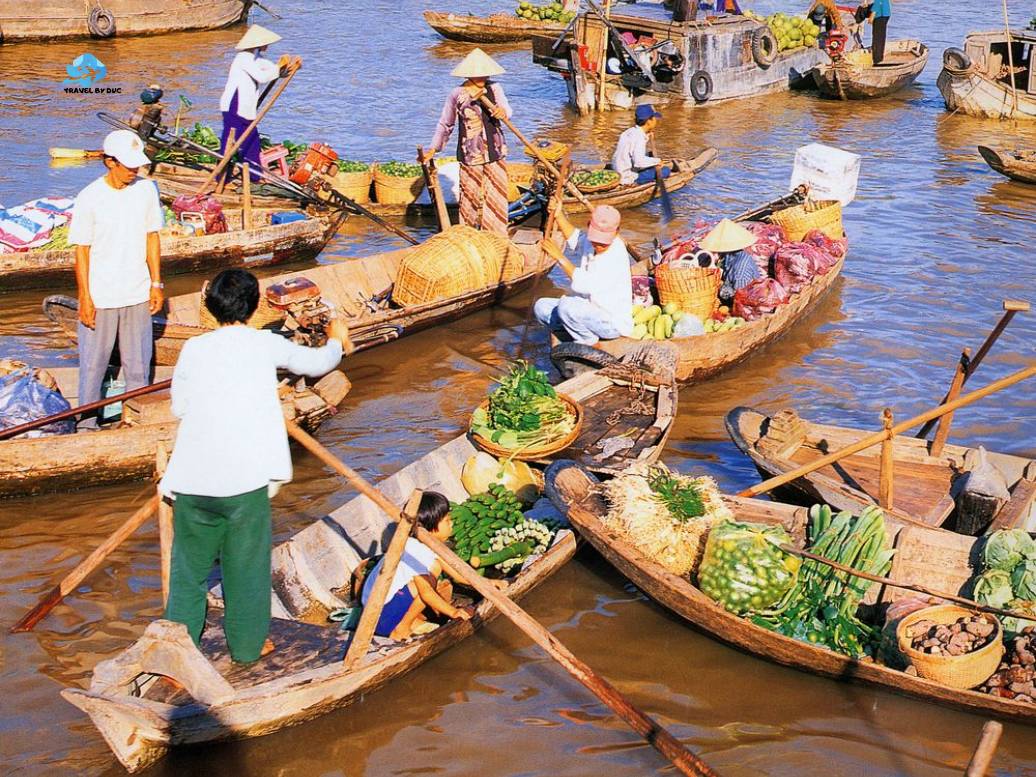
My first encounter with a floating market near Ho Chi Minh City happened before sunrise, when the river was still wrapped in mist and the city felt unusually quiet. I expected a lively tourist attraction, but what appeared instead was a calm, steady rhythm of everyday life unfolding on the water.
The floating market Ho Chi Minh is not defined by spectacle, but by timing. Boats gather early, vendors prepare fruit and coffee, and soft engine sounds blend with gentle voices across the river. There is no clear beginning or end — just a morning routine shaped by water, habit, and purpose. In those quiet moments, I began to understand how southern Vietnam truly wakes up.
Why floating markets still matter in southern Vietnam beyond tourism and first impressions
Spending a morning at a floating market near Ho Chi Minh City made me realize that these markets exist for reasons far deeper than visitor curiosity. The floating market Ho Chi Minh is not something created to be watched; it is something that continues to function regardless of who is observing. Boats arrive, trade happens, and the river quietly does its job as it always has. What stayed with me was the sense that I was stepping into an ongoing rhythm, not a preserved scene.
In southern Vietnam, floating markets still matter because they reflect how daily life adapts to water rather than replacing it. Even as cities expand and roads multiply, the river remains a practical and emotional backbone. Witnessing this firsthand shifted my understanding of the region. The floating market Ho Chi Minh is less about nostalgia and more about continuity, showing how tradition survives by remaining useful, not by being frozen in time.
Rivers as living marketplaces rather than tourist stages
From my boat, the river felt alive with purpose. It was not arranged for photographs or scheduled performances. Vendors moved with confidence, buyers approached without hesitation, and transactions happened quickly but calmly. The floating market Ho Chi Minh revealed itself as a working environment where the river replaces streets and sidewalks.
What struck me most was how little attention was paid to visitors like me. Life did not pause or adjust. This made the experience feel honest. The river was not a backdrop but the main structure holding everything together. In that moment, I understood that floating markets in southern Vietnam are living marketplaces first, and travel experiences only second.
How geography shaped trading habits in the Mekong region
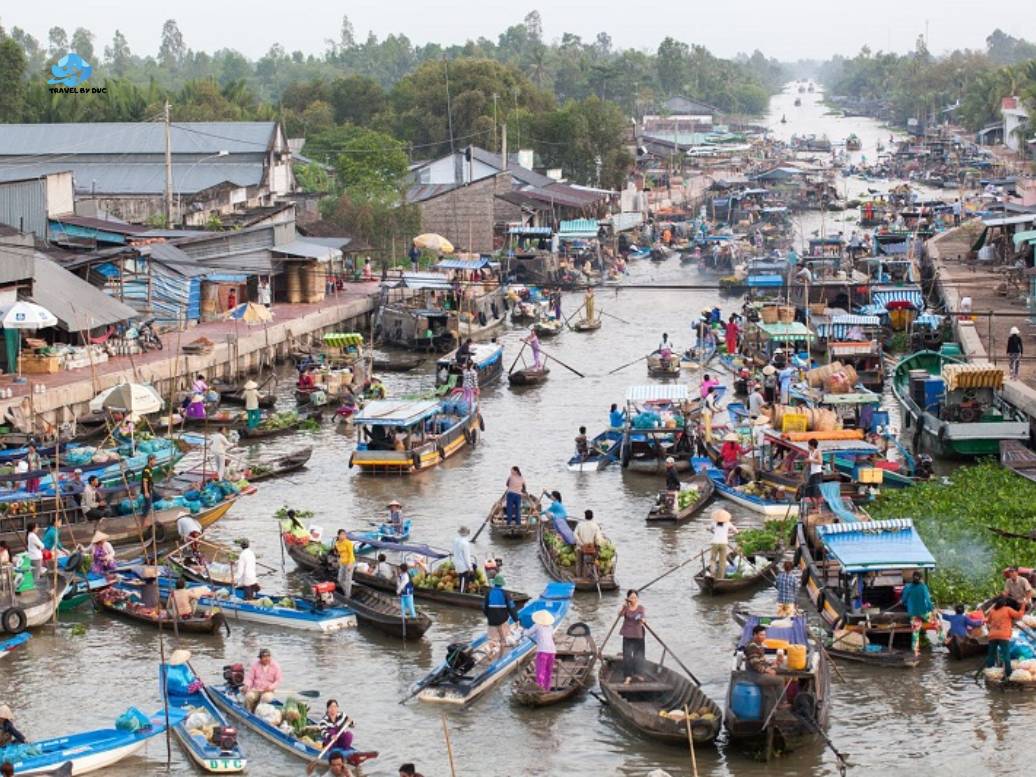
As the boat drifted forward, it became clear that the floating market Ho Chi Minh exists because of geography, not tradition alone. The dense network of rivers and canals in the Mekong region makes water the most natural route for movement and trade. Transporting fruit by boat is not a romantic choice; it is the most practical one.
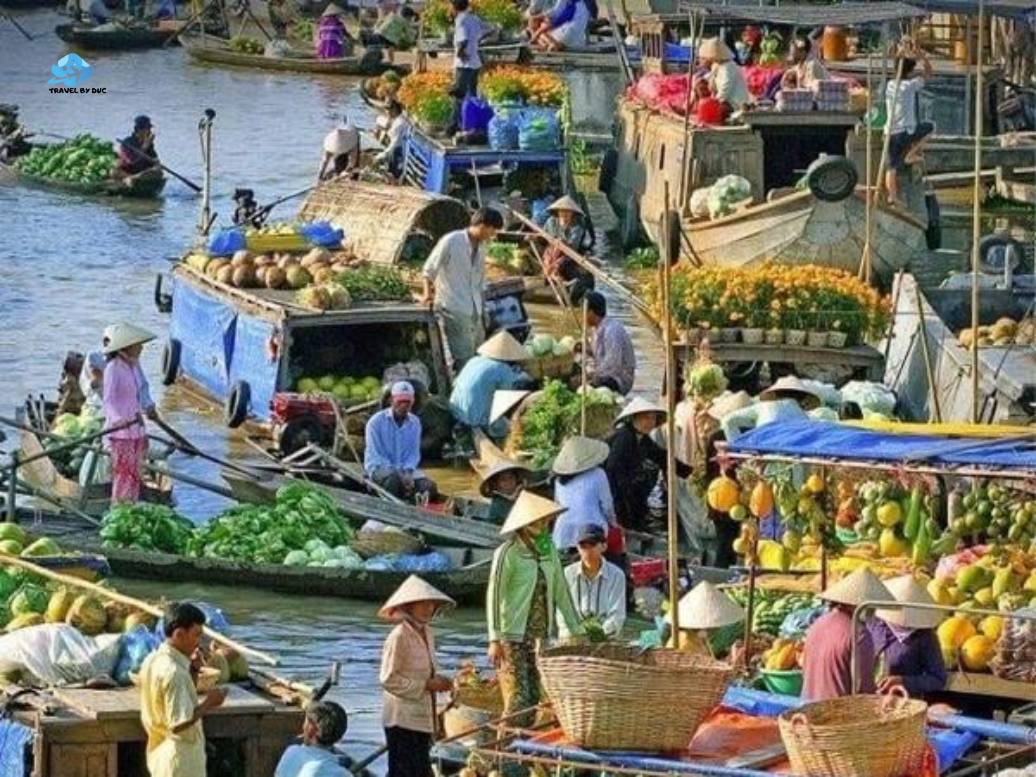
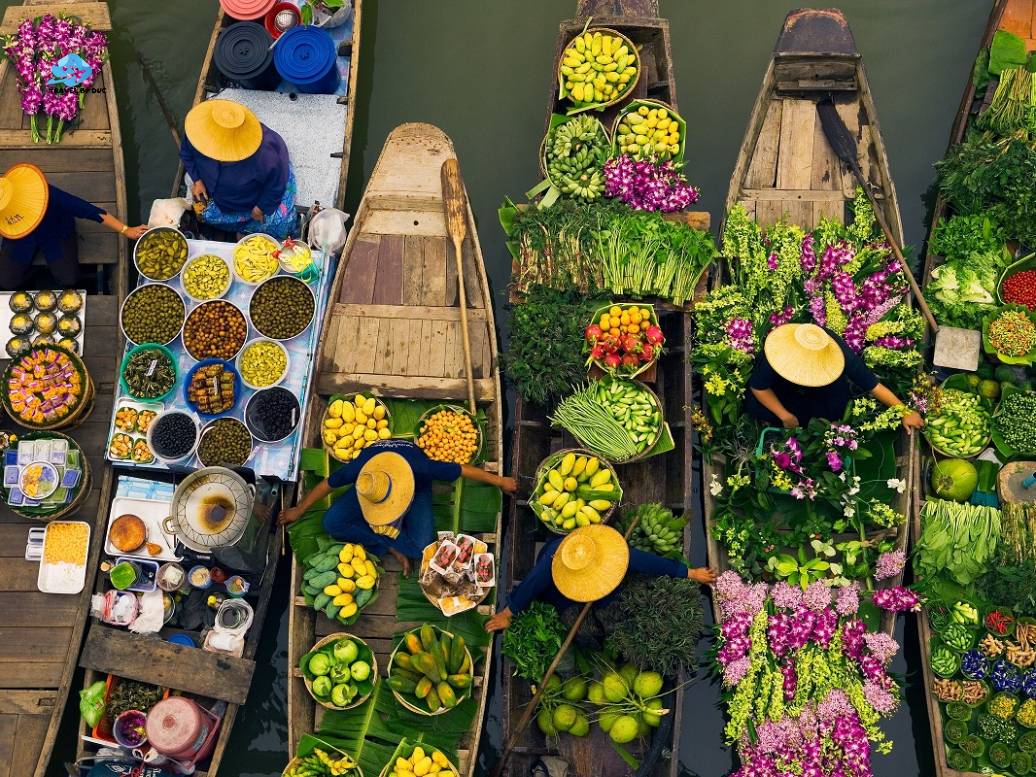
Seeing goods displayed on long poles above the boats helped me read the market without words. This system, shaped by distance and visibility on water, felt intuitive and efficient. Experiencing it in person showed me how geography quietly guides behavior. The floating market Ho Chi Minh is not an exception to modern life, but a reminder that landscapes continue to influence how people live, trade, and connect every morning.
Experiencing floating market Ho Chi Minh in the early morning when the river begins to wake up
Arriving at the floating market Ho Chi Minh before sunrise felt like stepping into a moment that most travelers never see. The river was still half-asleep, wrapped in soft light and quiet movement. This early hour revealed a side of the market that felt unfiltered and deeply personal. Nothing seemed rushed, yet everything had a clear sense of purpose, as if the day had already been planned without words.
Experiencing the floating market Ho Chi Minh in the early morning allowed me to understand it as part of a daily rhythm rather than a scheduled attraction. The market did not suddenly come alive; it slowly emerged, shaped by light, habit, and familiarity. Watching this transition made the experience feel intimate, like being invited into a private chapter of southern Vietnam’s routine.
Why sunrise defines the atmosphere and pace
Sunrise changes everything at the floating market Ho Chi Minh. The soft light slows down perception, making every movement feel deliberate and calm. Boats glide instead of rush, and conversations remain low, as if the river itself prefers quiet at this hour. The cooler air also shapes the pace, allowing vendors and buyers to move with ease before the heat settles in.
For me, sunrise created a sense of balance. The floating market Ho Chi Minh felt productive without feeling hectic. This gentle start to the day revealed how mornings in southern Vietnam are designed for flow rather than speed, where timing matters more than urgency.
Morning sounds movements and unspoken routines
What I remember most about the floating market Ho Chi Minh were not specific scenes, but the sounds and movements that filled the space. Engines hummed softly, water lapped against wooden boats, and voices carried just far enough to be heard. These sounds blended into a rhythm that felt familiar, even to someone experiencing it for the first time.
There were routines that needed no explanation. Boats approached and drifted away naturally, goods were displayed without signs, and transactions ended with brief nods instead of long exchanges. Observing these unspoken patterns made me feel like a quiet witness rather than a participant. In those moments, the floating market Ho Chi Minh felt less like a place to explore and more like a rhythm to listen to.
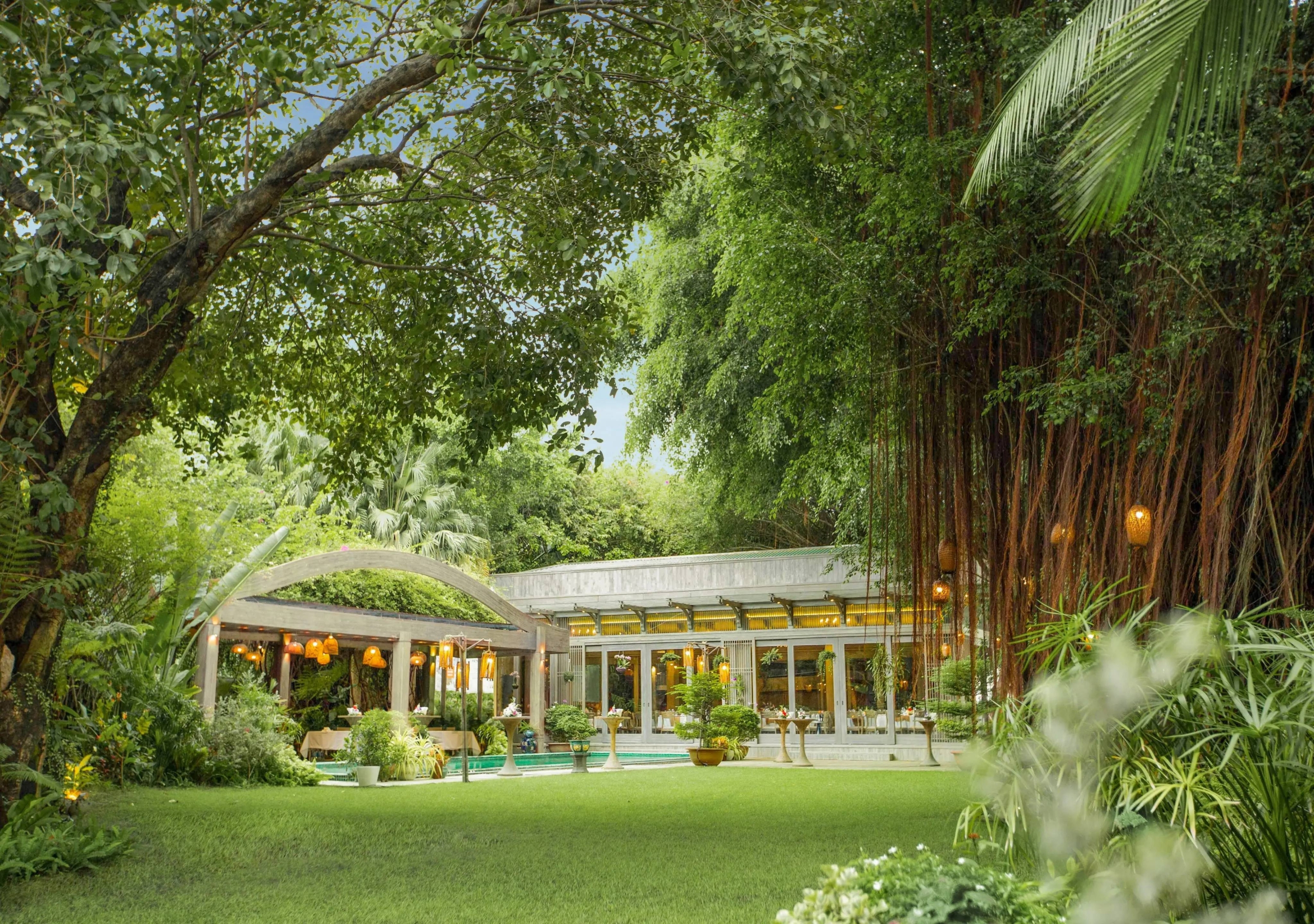
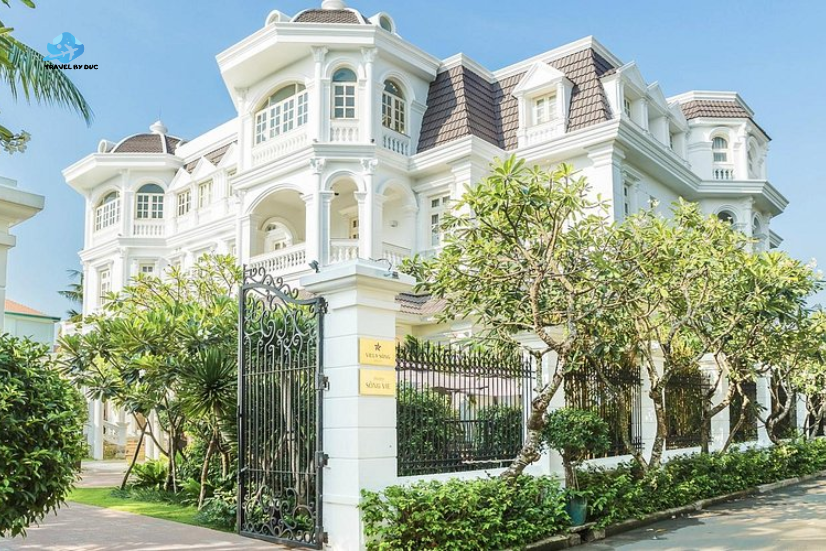
Located in central Ho Chi Minh City, Fusion Original Saigon Centre features free Wi-Fi, a restaurant, bar, outdoor pool, fitness center, and sauna. It’s a non-smoking hotel just a 3-minute walk from Takashimaya Vietnam. Located in vibrant Ho Chi Minh City, Hotel Des Arts Saigon Mgallery Collection offers pet-friendly accommodation with free Wi-Fi, an outdoor pool, restaurant, bar, and 24-hour front desk — just steps from major attractions.The best boutique hotels in Ho Chi Minh
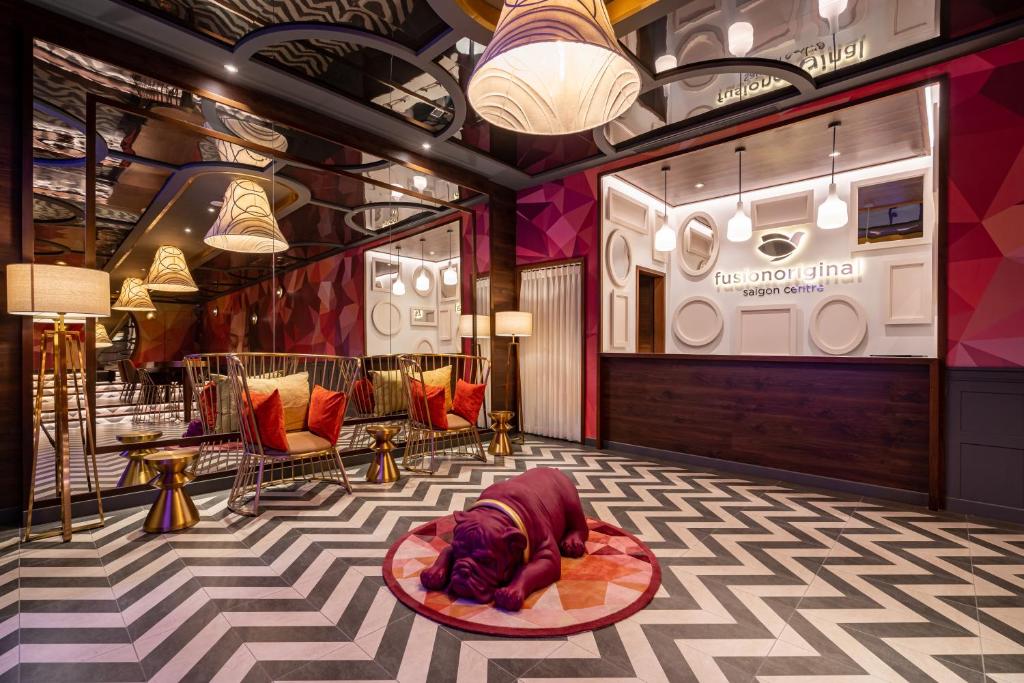
Fusion Original Saigon Centre
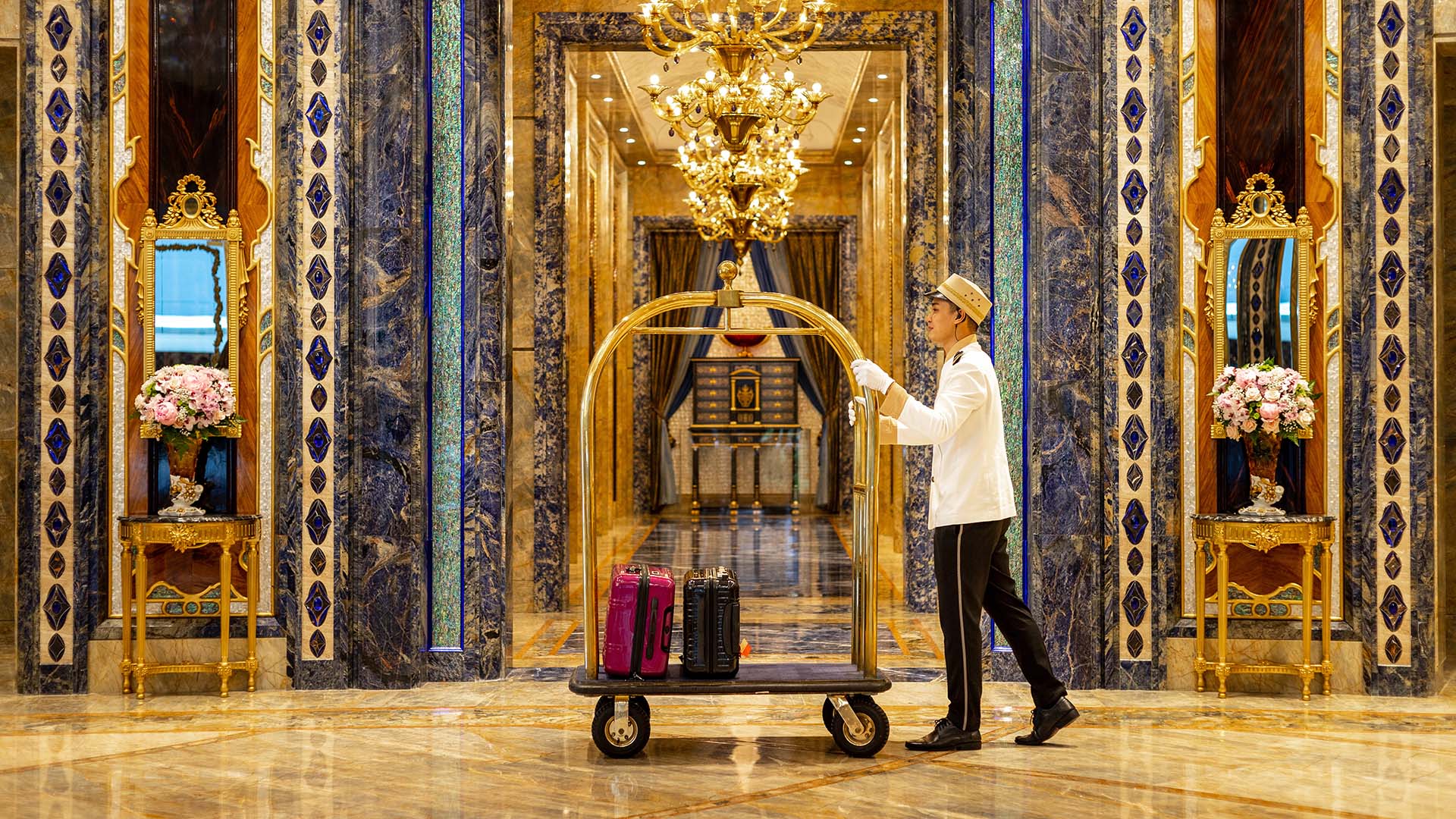
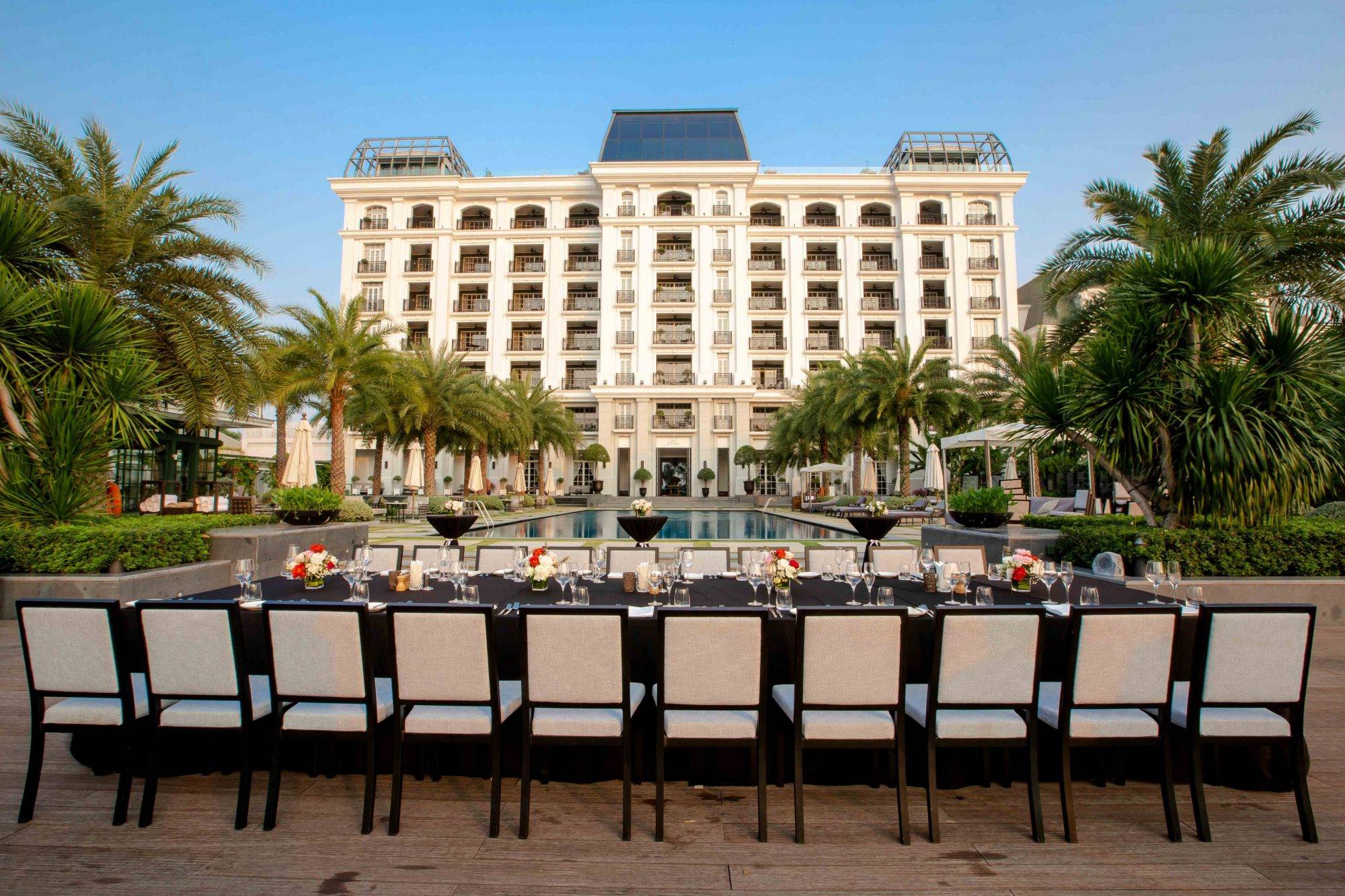
The Reverie Saigon
Located in District 1, The Reverie Saigon offers luxurious rooms with free Wi-Fi, an outdoor pool, spa, fitness center, and on-site restaurant serving Asian and Western dishes — just minutes from major landmarks.
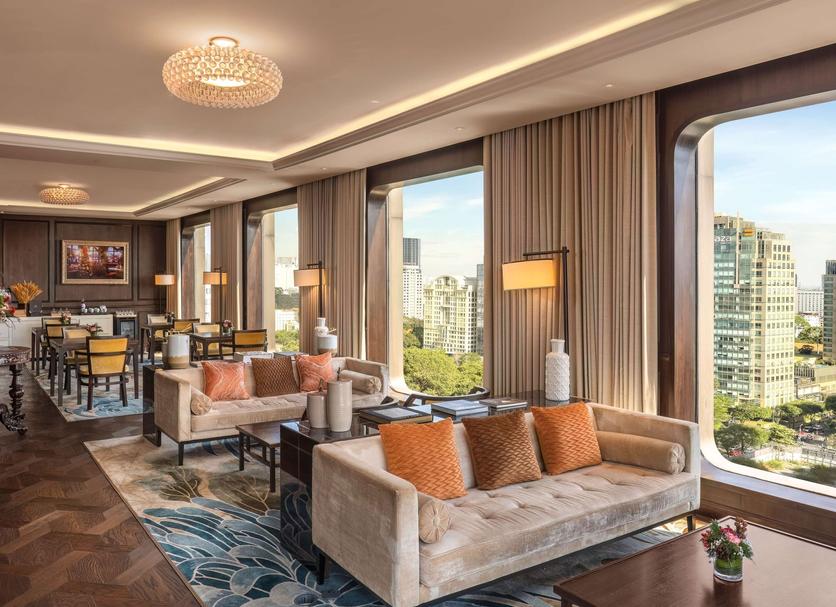
Hôtel des Arts Saigon – MGallery
Daily life on the water seen through a traveler’s perspective during an unhurried morning
Being on the water at the floating market Ho Chi Minh made me feel less like a visitor and more like a quiet observer of someone else’s morning routine. From my small boat, daily life unfolded naturally, without explanation or performance. People worked, chatted, and moved with a familiarity that suggested this scene repeated itself every day, long before travelers arrived or started listing it among the usual things to do in hcm city.
Experiencing the floating market Ho Chi Minh this way shifted my focus away from sightseeing and toward noticing patterns. I stopped looking for highlights and began paying attention to how life continued on the river. Among all the things to do in HCM City, this moment felt different, because it revealed daily life not as something to be showcased, but simply lived.
Small interactions that reveal local character
The floating market Ho Chi Minh revealed its character through small, fleeting interactions. A vendor handing over fruit with a brief smile, a boat adjusting its position without a word, a cup of coffee passed across the water with practiced ease. None of these moments were staged, yet each carried a quiet sense of warmth.
What stood out to me was how natural these exchanges felt. There was no urgency to impress, only a shared understanding of how things worked. These small interactions made the floating market Ho Chi Minh feel human and grounded, shaped by relationships built through repetition rather than novelty.
Observing without interrupting the rhythm
As a traveler, I became aware that the best way to experience the floating market Ho Chi Minh was to observe without interfering. The rhythm on the water was already complete. Boats followed invisible paths, transactions happened efficiently, and space was shared without conflict. Stepping back allowed the rhythm to continue uninterrupted.
By choosing to watch rather than participate, I felt more connected to the scene. The floating market Ho Chi Minh did not ask for attention; it offered presence. In allowing the morning to unfold on its own terms, I understood that some travel experiences are meant to be witnessed quietly, not captured or altered.
Read more:
Food tour in Ho Chi Minh City tasting the soul of the city one street at a time
Free walking tour Ho Chi Minh as a slow and local way to feel Saigon
Conclusion
Leaving the floating market Ho Chi Minh, I carried with me more than memories of boats and fruit. What stayed was the feeling of having witnessed a morning that belonged entirely to the river and the people who depend on it. The market did not try to impress or explain itself. It simply existed, guided by habit, geography, and time.
For me, the floating market Ho Chi Minh became a quiet lesson in how southern Vietnam moves through each day. Life on the water flows without urgency, shaped by routines that have endured because they still make sense. In its gentle rhythm, I found a deeper understanding of the place — one that lingered long after the river faded from view, reminding me that the most meaningful travel moments are often the ones that ask us to slow down and listen.
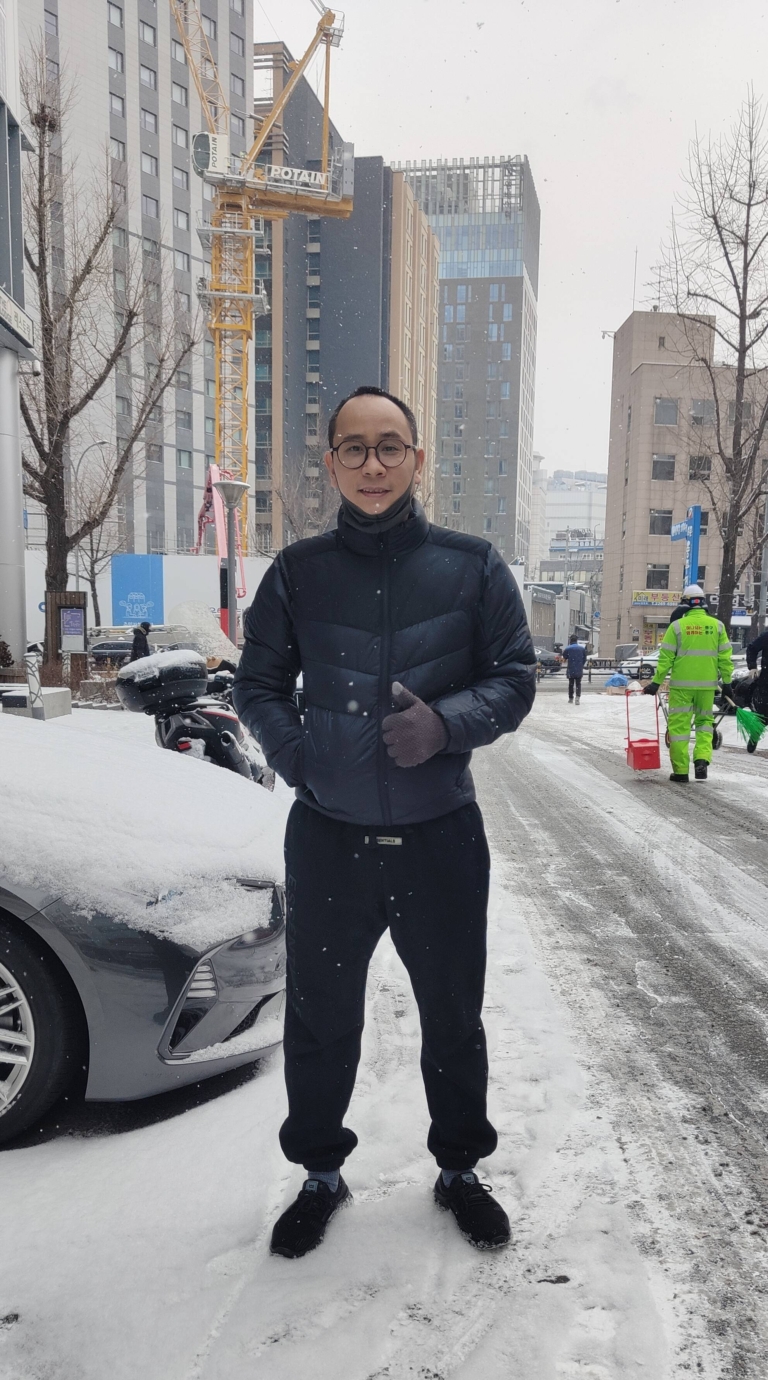
Duc I'm a traveler who was born and raised right here in Vietnam. For decades, I’ve been exploring, and for me, traveling is much more than seeing sights. Today, through my blog, Travel by Duc, my mission is simple: to be a genuine resource to help you travel smarter, explore the world with confidence, and find a deeper sense of connection wherever you go. The world is waiting, and I look forward to exploring it together!