
Before visiting the museums of Ho Chi Minh City, I thought I could simply choose a few places from my itinerary and walk in without much preparation. After exploring several museums during my trip, however, I realized that a little planning could make the experience much more meaningful. Each museum offered a different perspective on Vietnam, from its history and wartime past to its art, traditions, and everyday culture. What I enjoyed most was that museums gave me a chance to understand the city beyond its busy streets and famous attractions. Some exhibitions were easy to explore in an hour, while others encouraged me to slow down and spend more time reading, observing, and connecting the stories to places I had already visited around Ho Chi Minh City. In this guide, I will share the Ho Chi Minh museum tips that helped me enjoy these cultural experiences more comfortably, including when to visit, what to bring, how to behave respectfully, and how to make the most of your time inside each museum. If you are visiting Ho Chi Minh City for the first time, these simple tips can help you turn a regular museum visit into a more memorable part of your journey.
What I learned before visiting a Ho Chi Minh museum for the first time
Before visiting my first Ho Chi Minh museum, I was not quite sure what to expect. I had seen photographs of several museums online, but the real experience felt quite different once I walked through the doors. Instead of simply looking at old objects and reading information boards, I found myself learning more about Vietnam’s history, culture, and the experiences of local people. Some museums were quiet and reflective, while others felt more detailed and emotionally powerful. One thing I quickly realized was that visiting a museum in Ho Chi Minh City requires a slightly slower pace than visiting a typical tourist attraction. I found that taking time to read the stories behind the exhibits made the experience much more meaningful. If you are planning your first cultural visit, knowing what to expect, how much time to allow, and what to bring can help you enjoy a Ho Chi Minh museum without feeling rushed.

What to expect from Vietnamese museums
Vietnamese museums can be quite different from the large, highly interactive museums I had visited in other countries. Many focus strongly on historical photographs, artifacts, documents, artworks, and objects connected to important periods of Vietnamese history. Some exhibitions are presented in both Vietnamese and English, although the amount of English information can vary between museums. Personally, I enjoyed this straightforward approach because it encouraged me to slow down and pay attention to the details. Some displays initially looked simple, but after reading the background information, I understood why they were important. For international visitors, I recommend approaching each Ho Chi Minh museum with an open mind rather than expecting every exhibition to be highly modern or interactive.
How long should you spend at a museum
The amount of time you need depends heavily on the size of the museum and your personal interests. During my trip, I found that smaller museums could often be explored comfortably in about one hour, while larger museums deserved two hours or more. I preferred not to rush because some of the most interesting parts were the exhibits I initially walked past. If you are planning a busy sightseeing itinerary, I would usually allow around one to two hours for a Ho Chi Minh museum visit. This gives you enough time to explore the main galleries, read important information, take a few photographs where permitted, and pause when an exhibit catches your attention. Leaving some flexibility in your schedule also makes it easier to combine a museum visit with nearby attractions.
What to bring with you
I found that I did not need much for a museum visit, but carrying a few practical items made my experience more comfortable. A small bottle of water was useful for the journey, although I usually kept it in my bag rather than taking it into exhibition areas. I also carried my phone for checking information, taking photographs where photography was allowed, and using translation tools when English explanations were limited. Comfortable shoes are another simple but important choice because you may spend much longer walking and standing than expected. I also recommend bringing some Vietnamese cash, especially if you plan to visit smaller museums or nearby attractions afterward. Most importantly, I would bring enough time and curiosity. For me, those were more valuable than anything else when exploring a Ho Chi Minh museum.
The best boutique hotels in Ho Chi Minh
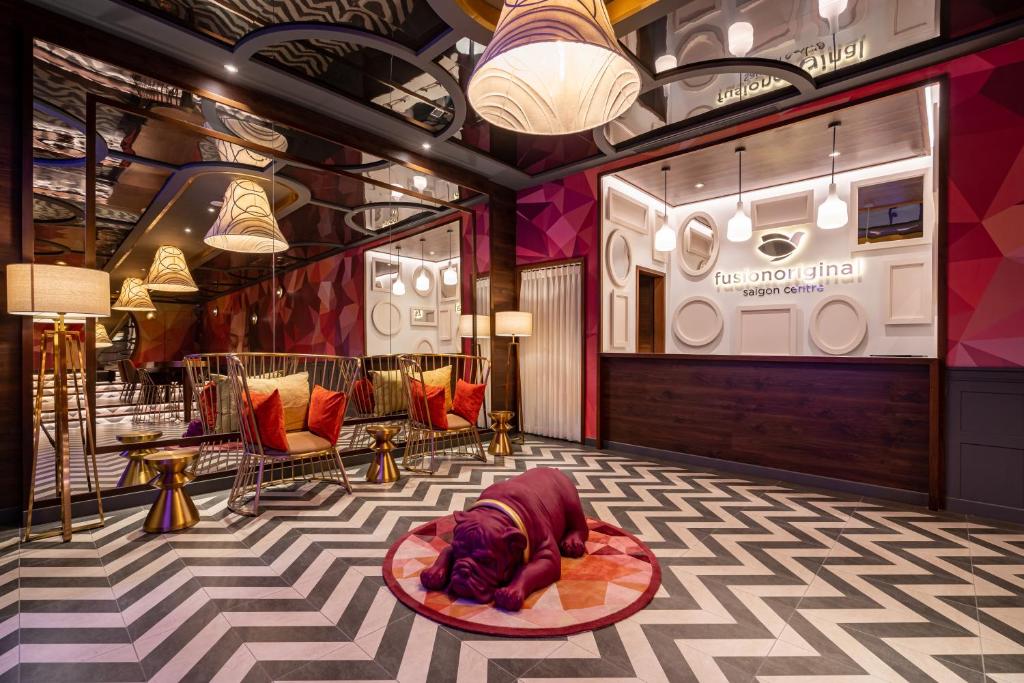
Fusion Original Saigon Centre
Located in central Ho Chi Minh City, Fusion Original Saigon Centre features free Wi-Fi, a restaurant, bar, outdoor pool, fitness center, and sauna. It’s a non-smoking hotel just a 3-minute walk from Takashimaya Vietnam.
Price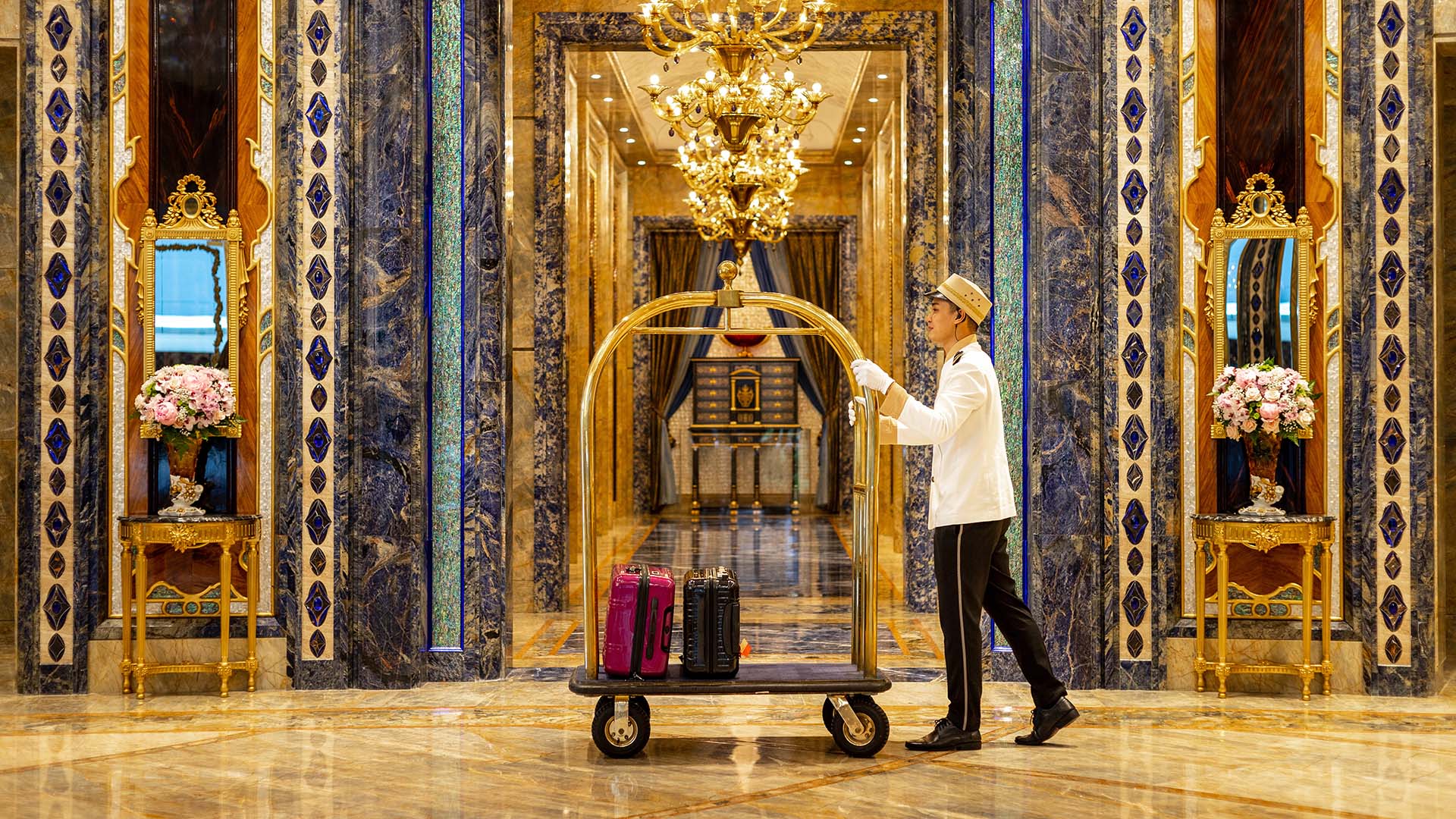
The Reverie Saigon
Located in District 1, The Reverie Saigon offers luxurious rooms with free Wi-Fi, an outdoor pool, spa, fitness center, and on-site restaurant serving Asian and Western dishes — just minutes from major landmarks.
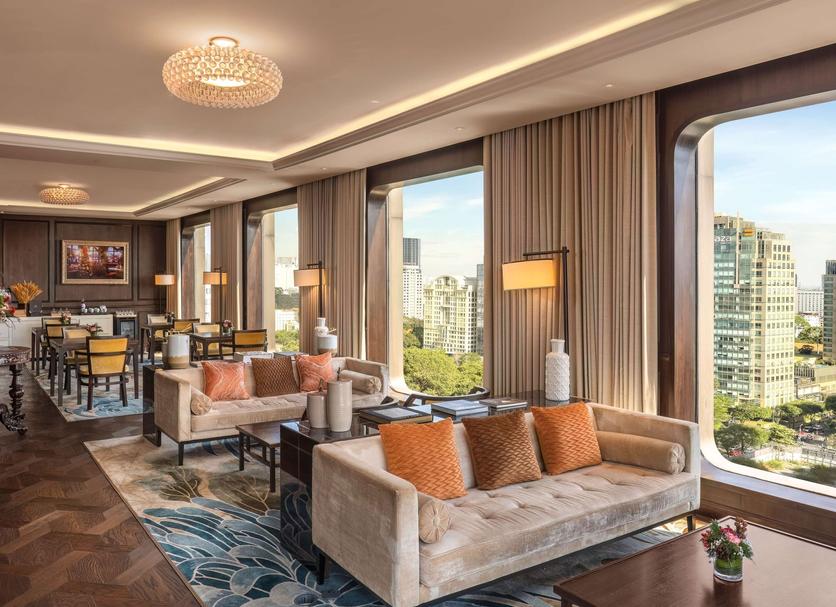
Hôtel des Arts Saigon – MGallery
Located in vibrant Ho Chi Minh City, Hotel Des Arts Saigon Mgallery Collection offers pet-friendly accommodation with free Wi-Fi, an outdoor pool, restaurant, bar, and 24-hour front desk — just steps from major attractions.
PriceWhat I learned about museum etiquette while visiting a Ho Chi Minh museum
One thing I learned during my museum visits was that understanding a little local etiquette can make the experience much more comfortable. Before entering my first Ho Chi Minh museum, I was mainly thinking about what I wanted to see and photograph. I did not pay much attention to the small rules that visitors were expected to follow. After visiting several museums, however, I realized that these simple details helped me show respect for the exhibits, staff, and other visitors. The rules were generally easy to follow, but they could vary slightly from one museum to another. I found that taking a few seconds to check the signs near the entrance was usually enough. For international visitors, following these basic guidelines can make a museum visit feel more relaxed while also helping preserve the atmosphere of these important cultural spaces.
Photography and video rules
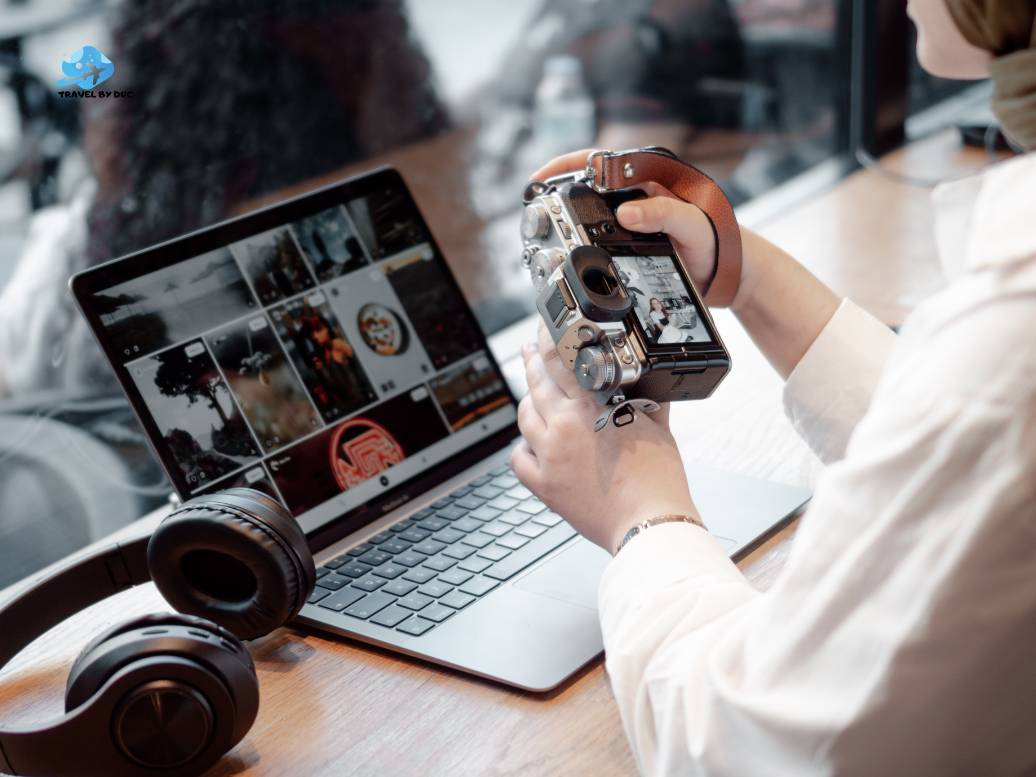
Photography policies can vary between museums, galleries, and individual exhibitions. At some places, I was allowed to take photographs for personal use, while certain exhibits had clear signs asking visitors not to take pictures. Flash photography and video recording may also be restricted in some areas. I quickly learned that the safest approach was to look for signs before taking out my phone or camera. If there was no clear information, asking a staff member was always better than assuming photography was allowed. When visiting a Ho Chi Minh museum, I also tried to avoid using a large camera setup or taking photographs in a way that blocked other visitors from viewing the exhibits.
Dress and respectful behavior
There is usually no complicated dress code for visiting museums in Ho Chi Minh City, but I found that wearing comfortable and reasonably modest clothing was the easiest choice. This became especially important when visiting museums connected to religious or cultural subjects, where a more respectful appearance felt appropriate. Inside the museum, I tried to keep my voice low, avoid touching exhibits, and give other visitors enough space to enjoy the displays. Some exhibitions told stories about difficult periods in Vietnam’s history, so I felt that approaching them with patience and respect was particularly important. For me, good etiquette was not about following strict rules but about being considerate of the place and the people around me.
Food drinks and personal belongings
Food and drinks are generally better kept outside exhibition areas unless the museum specifically allows them. During my visits, I usually finished my drink before entering and kept my belongings organized in a small bag. Some museums may have lockers or designated areas where larger bags can be stored, while others may ask visitors to leave certain items at the entrance. I also found it helpful to keep my phone on silent and avoid loud conversations while walking through the galleries. These small habits made my visits more peaceful and prevented me from disturbing other people. When exploring a Ho Chi Minh museum, I found that respecting these simple rules allowed me to focus more on the exhibitions and enjoy the cultural experience without unnecessary distractions.
Common mistakes I learned to avoid when visiting a Ho Chi Minh museum as a foreign traveler
After visiting several museums in Ho Chi Minh City, I realized that some of my biggest lessons came from small mistakes. Nothing went seriously wrong during my visits, but there were moments when I wished I had planned a little better. From arriving too late to assuming every exhibition would have detailed English explanations, these experiences taught me how to make future museum visits more enjoyable.
If you are visiting Vietnam for the first time, these mistakes are easy to avoid with a little preparation. A Ho Chi Minh museum can offer much more than a quick stop on a sightseeing itinerary, especially if you give yourself enough time to understand the stories behind the exhibits. For travelers wondering Saigon what to do, spending time in a museum can also be a meaningful way to discover the city’s history and culture beyond its more familiar attractions.

Arriving too close to closing time
One mistake I would recommend avoiding is arriving shortly before the museum closes. I learned this after trying to fit a museum visit into the last part of a busy sightseeing day. Although I was technically able to enter, I felt rushed almost immediately because I knew I did not have enough time to explore everything properly. For a better experience, I recommend checking the museum’s current opening hours before leaving and arriving with enough time to explore comfortably. Giving yourself at least an hour or two can make a significant difference, particularly at a larger Ho Chi Minh museum with several exhibition rooms.
Assuming every museum has English information
As a foreign traveler, I initially assumed that every museum would provide detailed English translations for all exhibits. That was not always the case. Some museums offered useful English descriptions, while other displays contained much more information in Vietnamese. Instead of seeing this as a problem, I started using translation apps when I came across something I wanted to understand better. I also found that looking at photographs, objects, and exhibition layouts could communicate a lot even when I could not read every word. If you are visiting a Ho Chi Minh museum, having a translation app on your phone can be surprisingly useful.
Rushing through historical exhibitions
Perhaps the biggest mistake I made was trying to move too quickly through some historical exhibitions. When I first entered a museum, I was focused on seeing as many displays as possible. Later, I realized that this approach made it difficult to understand the stories being presented. Some historical exhibits deserve more time because the meaning is not always obvious at first glance. I found myself returning to certain displays after reading the surrounding information and realizing how they connected to Vietnam’s wider history. For that reason, I recommend slowing down and choosing a few sections to explore carefully rather than trying to see everything. A visit to a Ho Chi Minh museum becomes much more memorable when you allow yourself time to pause, read, reflect, and connect the exhibits with the places and experiences you encounter outside the museum.
Read more:
Exploring the best apartment cafe Saigon for a local experience
Ho Chi Minh museum tickets and tips for first time visitors
Conclusion
Looking back at my museum visits in Ho Chi Minh City, I realized that the experience became much more meaningful when I stopped treating museums as quick sightseeing stops. Each Ho Chi Minh museum offered a different way to understand Vietnam, from its history and cultural traditions to the stories of the people who shaped the country. The biggest lesson I learned was to slow down, check the practical details before visiting, and remain open to experiences that might be different from what I was used to. Checking opening hours, allowing enough time, respecting museum rules, and using a translation app when necessary made my visits much easier and more enjoyable. If you are visiting Ho Chi Minh City for the first time, I highly recommend adding at least one museum to your itinerary. You do not need to visit every museum or spend an entire day indoors. Choose one that interests you, arrive with enough time, and let yourself explore without rushing. For me, visiting a Ho Chi Minh museum was not simply about looking at historical objects. It was a chance to understand the city from a different perspective and connect what I saw inside the museum with the streets, people, and everyday life I experienced outside. Those moments ultimately became some of the most meaningful memories of my journey through Vietnam.
Duc
I'm a traveler who was born and raised right here in Vietnam. For decades, I’ve been exploring, and for me, traveling is much more than seeing sights.
Today, through my blog, Travel by Duc, my mission is simple: to be a genuine resource to help you travel smarter, explore the world with confidence, and find a deeper sense of connection wherever you go.
The world is waiting, and I look forward to exploring it together!