Choosing a bus from HCMC to Phnom Penh felt less like a transportation decision and more like an intentional pause between two chapters of my journey. Sitting by the window, I watched Vietnam slowly loosen its grip on my attention, not through dramatic changes, but through subtle shifts in landscape and rhythm. The road stretched forward quietly, carrying everyday scenes that didn’t announce a border, yet hinted at one approaching. From that seat, the transition felt personal, almost intimate, as if the journey itself was preparing me to let go of one place before arriving in another.
Why choosing a bus from HCMC to Phnom Penh naturally creates space for reflection during travel
Choosing a bus from HCMC to Phnom Penh was not about convenience or saving time. It was a deliberate choice to stay present inside the transition rather than skipping over it. Unlike flying, where departure and arrival blur into a single moment, the bus allowed the journey to unfold slowly. Sitting in my seat, watching the road stretch forward, I felt the distance between two cities become something tangible. The movement was steady, unhurried, giving my thoughts room to wander. In that quiet motion, reflection came naturally. The bus became more than transport; it turned into a moving space where leaving Vietnam and approaching Cambodia felt like a gradual emotional shift instead of a sudden change.
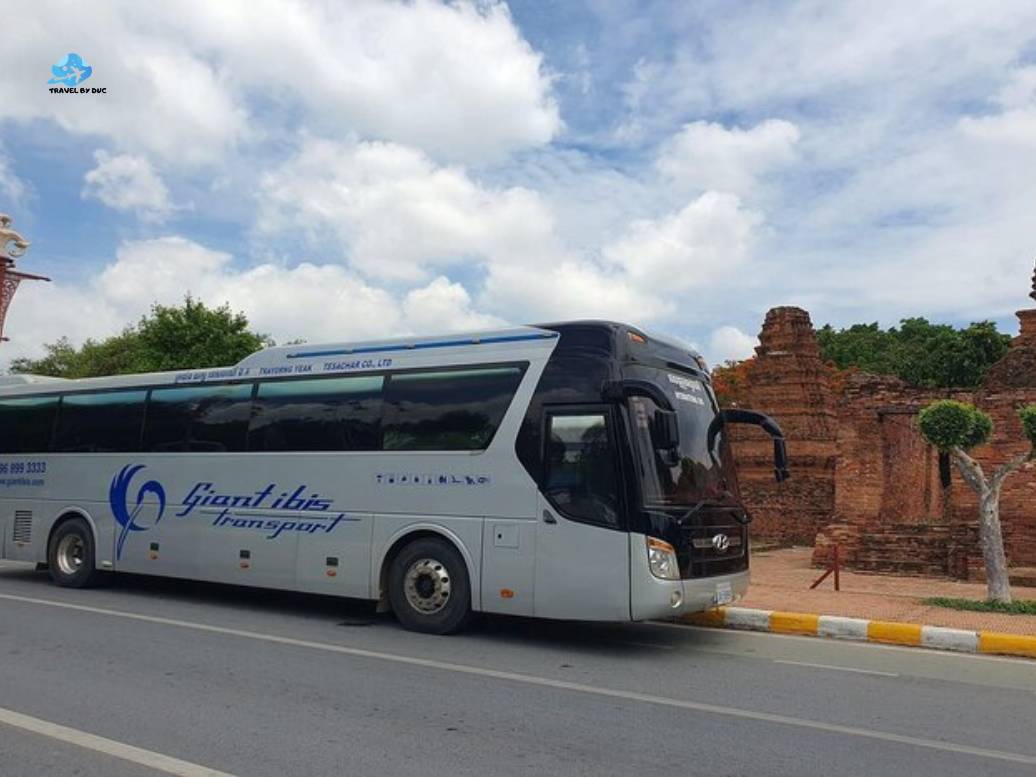
Traveling at ground level instead of rushing between destinations
Traveling by bus from HCMC to Phnom Penh kept me close to the ground, both physically and mentally. The landscapes passed at a human pace, allowing familiar scenes to fade gently rather than disappear. Small towns, roadside cafés, and long stretches of open land appeared without asking for attention, yet they quietly shaped the rhythm of the trip. This ground level perspective made the journey feel honest and unfiltered. There was no sense of rushing toward the next destination. Instead, each kilometer added a layer to the experience, reminding me that travel is often defined by what happens in between rather than where it begins or ends.
How long hours on the road encourage inward attention
The length of the bus from HCMC to Phnom Penh journey created an unexpected stillness. With nothing to organize or rush toward, my attention slowly turned inward. Time stretched, not in a tiring way, but in a reflective one. I found myself thinking less about plans and more about what I was leaving behind and what I might encounter next. The repetitive motion of the road and the soft hum of the bus created a quiet backdrop for introspection. In those hours, reflection didn’t feel forced. It simply arrived, carried by the steady movement forward, making the journey itself an essential part of the travel story rather than just a means to reach another place.
Watching landscapes shift slowly along the bus from HCMC to Phnom Penh and realizing the journey is already changing me
Choosing a bus from HCMC to Phnom Penh places you close enough to the land that change becomes visible before it becomes emotional. From my seat by the window, the journey unfolded not as a dramatic departure, but as a gradual softening of familiarity. The city edges loosened first, then the roads widened, and eventually the scenery began to feel less anchored to what I recognized as Vietnam. Taking the bus from HCMC to Phnom Penh allowed the landscape to lead the transition, rather than the destination itself. With every kilometer, I felt less like I was leaving somewhere and more like I was quietly entering a different rhythm. The slow movement gave me time to notice details that would otherwise be lost, and those details became the true markers of crossing space.
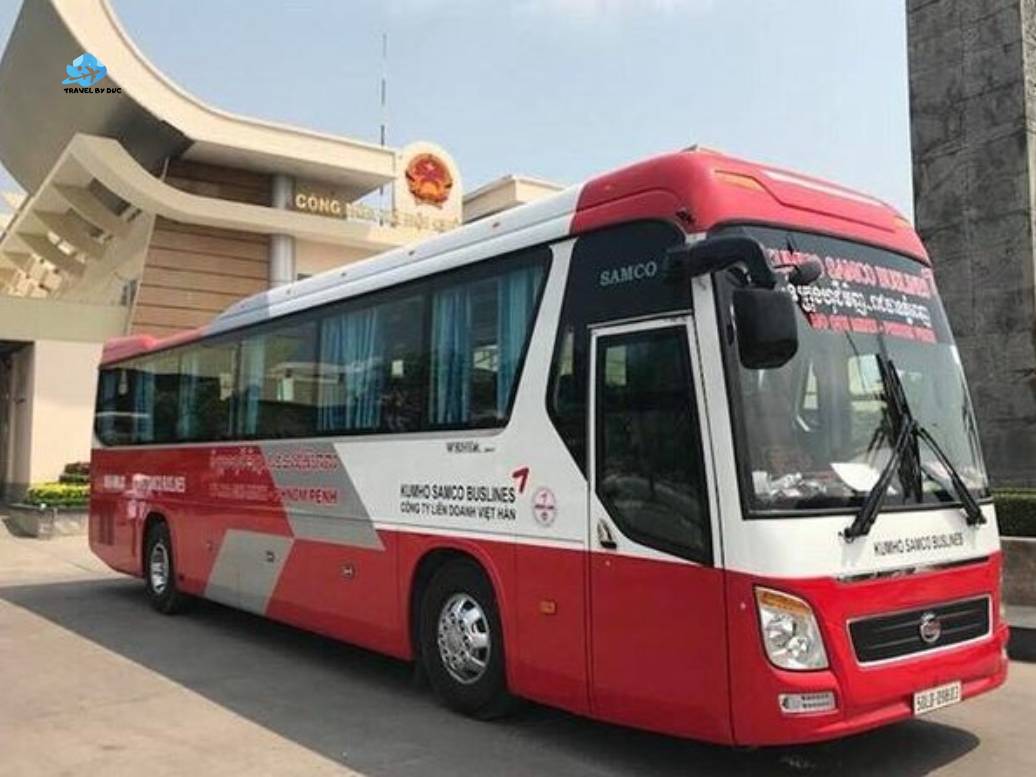
From familiar Vietnamese scenes to unfamiliar quiet stretches
At the beginning of the bus from HCMC to Phnom Penh, the view outside felt comforting in its repetition. Motorbikes clustered near roadside stalls, rice fields stretched flat and orderly, and the pace of life felt gently busy. I recognized these scenes without effort, almost without thinking. But somewhere along the route, the familiarity thinned. The roads grew quieter, the buildings spaced themselves farther apart, and long stretches passed without interruption. It wasn’t sudden enough to feel like a border, yet noticeable enough to shift my awareness. Sitting on the bus from HCMC to Phnom Penh, I realized how much my sense of place depended on sound and movement. As those softened, my attention turned inward, matching the quiet unfolding outside the window.
How small visual changes signal a larger transition
What stayed with me most during the bus from HCMC to Phnom Penh were the smallest changes. The way the light fell differently across open land, the slower rhythm of traffic, the pauses between villages that felt longer than before. These were not landmarks you could point to on a map, but they carried weight. Each subtle shift hinted that I was moving beyond more than geography. On the bus from HCMC to Phnom Penh, the landscape didn’t announce the transition—it suggested it, gently and repeatedly. By the time I noticed the feeling fully, the change had already happened. The journey taught me that borders are not always lines you cross, but moments you gradually sense, long before you arrive.
Experiencing the border crossing during the bus from HCMC to Phnom Penh as a quiet moment rather than a defining event
The border crossing on the bus from HCMC to Phnom Penh did not arrive with tension or ceremony. There was no sharp sense of now something important is happening. Instead, it unfolded slowly, almost gently, like a pause placed into the middle of the journey. Stepping off the bus, standing in line, waiting without urgency—these actions felt ordinary, yet they carried an unexpected weight. After days of moving through the city and quietly asking myself Saigon what to do beyond landmarks and checklists, this moment felt like an answer without words. On the bus from HCMC to Phnom Penh, the border was not a dramatic threshold but a soft interruption, a space where movement slowed enough for awareness to settle. I noticed how my thoughts grew quieter, how the journey felt momentarily suspended, as if travel itself was holding its breath.
Observing routines and pauses at the checkpoint
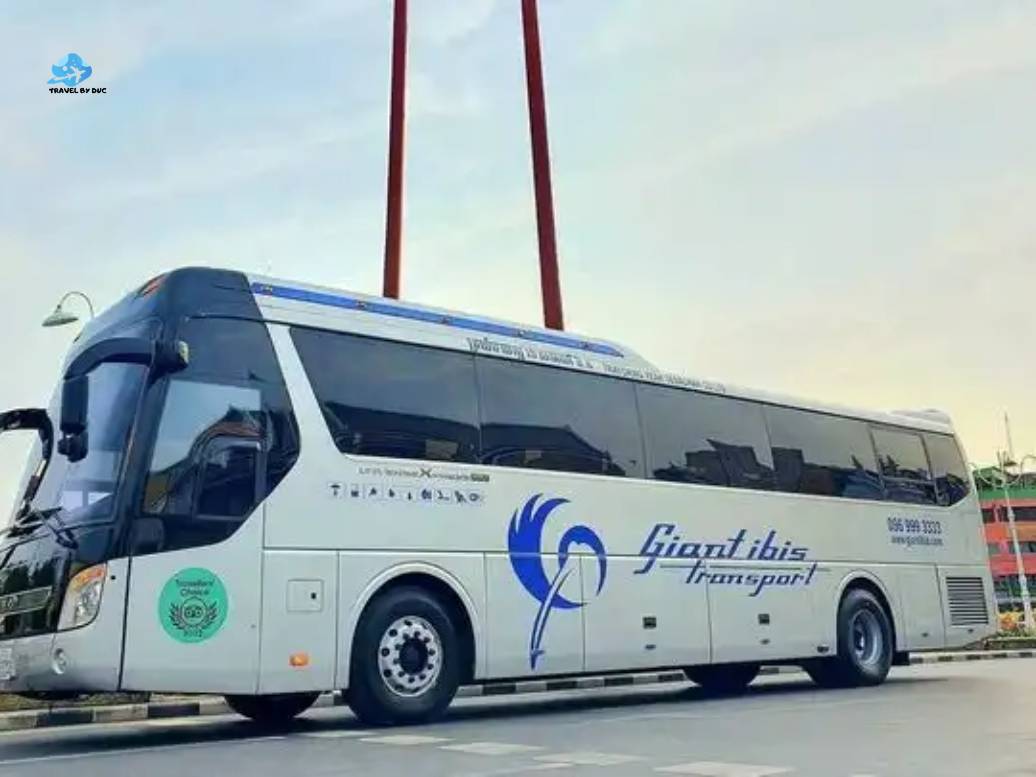
What struck me most at the checkpoint was how routine everything felt. Officials moved with practiced calm, passengers shifted bags without impatience, and the bus waited patiently, engine off. From the perspective of the bus from HCMC to Phnom Penh, this stop was simply another pause, yet it carried a different kind of stillness. I found myself watching small gestures—the stamping of papers, the brief exchanges, the way people stood slightly apart from one another. These routines created a rhythm that was slower and more deliberate than the road. In that moment, travel stopped feeling linear. The bus from HCMC to Phnom Penh became a shared space where strangers were briefly connected by waiting, by the quiet acknowledgment that we were between places.
When paperwork feels secondary to the emotional shift
The paperwork itself passed quickly, almost unremarkably. What lingered was the feeling that followed. As I returned to my seat on the bus from HCMC to Phnom Penh, I sensed a subtle emotional shift that had little to do with visas or stamps. Something had already changed before the bus began moving again. The air felt different, not in temperature but in tone. Looking out the window, the familiar signs had faded, replaced by a landscape that asked me to observe rather than recognize. On the bus from HCMC to Phnom Penh, the border crossing revealed itself not through official processes, but through a quiet internal adjustment. By the time we pulled back onto the road, I realized the crossing was complete—not because of the documents in my passport, but because my sense of place had already moved on.

Sitting by the window on the bus from HCMC to Phnom Penh and slowly feeling the weight of leaving one country behind
Choosing a window seat on the bus from HCMC to Phnom Penh made the act of leaving feel tangible. It was no longer an abstract idea marked by maps or borders, but something I could watch unfold frame by frame. As the bus rolled forward, familiar scenes began to slip past without ceremony. There was no final image demanding attention, no clear moment of farewell. Instead, the weight of departure arrived quietly, settling in as the road stretched on. Sitting there, I felt how travel sometimes asks you not to react, but simply to notice. On the bus from HCMC to Phnom Penh, leaving Vietnam was not about turning away, but about allowing distance to form naturally.
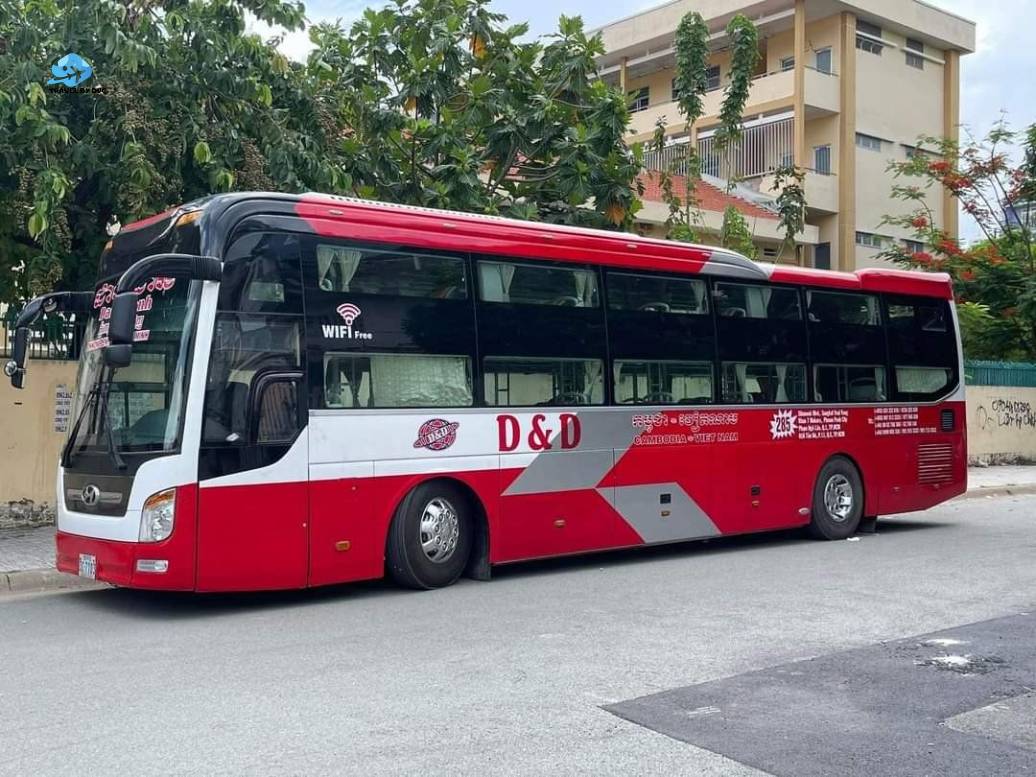
Letting Vietnam fade without resistance
From the window, Vietnam did not disappear suddenly. It softened. Street activity thinned, signage changed subtly, and the rhythm of daily life became less legible to me. On the bus from HCMC to Phnom Penh, I realized how often travelers try to hold onto the last moments of a place, as if resisting departure might extend the experience. This time, I let the scenery pass without resistance. There was a quiet acceptance in watching Vietnam fade at its own pace. The bus from HCMC to Phnom Penh created a moving threshold where memory and presence overlapped, allowing me to carry what I had felt without clinging to what I could no longer touch.