
Before visiting China Town Saigon, I expected to find a busy district filled with markets, restaurants, and traditional Chinese architecture. While all of those things certainly existed, what surprised me most was how much history, culture, and everyday life could be discovered simply by walking through the neighborhood at a slower pace. Unlike some of the more famous tourist attractions in Ho Chi Minh City, China Town Saigon felt less focused on sightseeing and more connected to the people who live and work there every day. As I wandered through narrow streets, explored historic temples, and observed local businesses, I began to understand why this area has remained such an important cultural center for generations. What I enjoyed most was the feeling of discovering something beyond the typical tourist route. Every street seemed to reveal a new detail, whether it was an old shop sign, the scent of traditional food, or a beautifully decorated temple hidden between busy buildings. These small discoveries made the experience feel authentic and memorable. For foreign travelers looking to explore a different side of Ho Chi Minh City, China Town Saigon offers a fascinating combination of history, architecture, local culture, and food. It is a place where visitors can slow down, observe daily life, and gain a deeper appreciation for the city’s multicultural heritage.
Why exploring China Town Saigon reveals a completely different side of Ho Chi Minh City that many travelers overlook
While exploring Ho Chi Minh City, I quickly realized that China Town Saigon felt very different from the modern districts and popular tourist areas I had visited earlier. The change was noticeable almost immediately. The streets, architecture, local businesses, and daily rhythm of life created an atmosphere that seemed to belong to another era while still remaining an active part of the city today. What impressed me most was how naturally history and everyday life coexist throughout China Town Saigon. Rather than functioning as an area designed specifically for tourists, the neighborhood feels authentic and lived-in. As I wandered through its streets, I found myself discovering traditional shops, historic temples, family-run businesses, and cultural influences that have shaped the district for generations. For foreign travelers looking to experience a deeper and more local side of Ho Chi Minh City, I think China Town Saigon offers one of the most rewarding experiences in the city. It encourages visitors to slow down, pay attention to small details, and appreciate the rich cultural heritage that continues to thrive here.
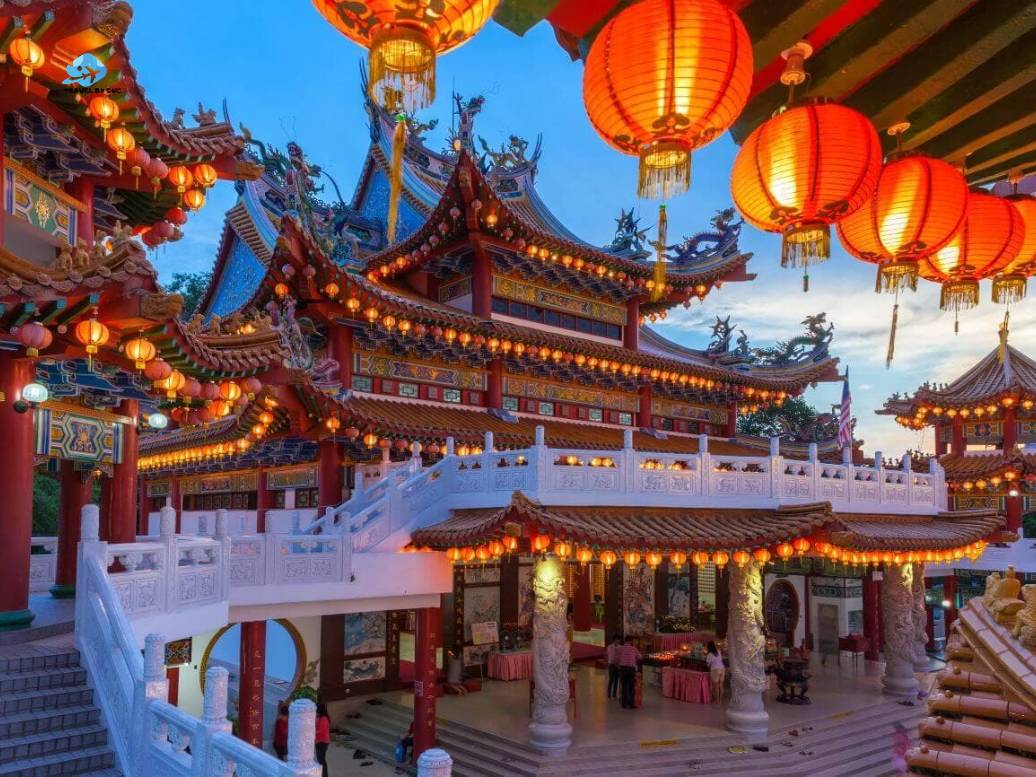
Discovering a neighborhood shaped by history and culture
One of the first things I noticed while exploring China Town Saigon was the strong sense of history present throughout the area. Unlike some parts of the city that feel modern and rapidly changing, this district preserves many elements of its cultural identity through architecture, religious sites, and long-established businesses. As I walked around, I found evidence of Chinese cultural influence almost everywhere. Decorative temple entrances, traditional signs, and historic buildings helped tell the story of a community that has contributed significantly to the development of Ho Chi Minh City over many decades. What I appreciated most was that this history did not feel hidden away in museums. Instead, it remains part of everyday life. Exploring China Town Saigon felt less like visiting a tourist attraction and more like stepping into a neighborhood where culture continues to be actively lived and celebrated.
Experiencing the unique atmosphere of the old streets
The atmosphere of China Town Saigon was another aspect that immediately stood out to me. The streets felt busier and more traditional than many other parts of the city, creating an environment that was both energetic and fascinating to explore. I enjoyed wandering through narrow streets lined with local businesses, markets, restaurants, and small shops that seemed to have been operating for many years. Every corner revealed something new, whether it was a temple entrance, a street food vendor, or an old building displaying architectural details from another period. What made the experience memorable was the feeling that China Town Saigon had retained its own distinct character despite the rapid growth of the city around it. The neighborhood felt authentic rather than curated, which made every discovery feel more meaningful.
Why walking is the best way to explore the area
Looking back, I believe walking was the best way to experience China Town Saigon. Many of the details that made the district special could easily be missed when traveling too quickly from one attraction to another. As I explored on foot, I had the freedom to stop whenever something caught my attention. Sometimes it was an old temple hidden between buildings, while other times it was a traditional shop or a local café filled with residents going about their daily routines. Walking also allowed me to appreciate the atmosphere at a slower pace. Instead of focusing only on famous landmarks, I found myself enjoying the smaller moments that often become the most memorable parts of travel. The sounds of local life, the scent of traditional food, and the architectural details scattered throughout the neighborhood all contributed to the experience. For first-time visitors, I would strongly recommend setting aside enough time to simply wander through China Town Saigon. The district rewards curiosity, and many of its most interesting discoveries appear when you allow yourself to explore without rushing from one destination to the next.
Ho Chi Minh Activities Smart Choices

Sim card
- Free E-sim Private Ho Chi Minh City Tour with Airport Pickup - Price check

Airport services
- Fast Track VIP Service Tan Son Nhat Airport (Ho Chi Minh-Vietnam) - Price check
- Vietnam Tourist e-Visa – Regular & VIP (1-Hour Express Option Available) - Price check

Hotels
- Over $200: Best hotel in HCM / 5 star hotel in HCMC / Luxury hotel in Saigon Vietnam - Read more
- From $100 to $200: Boutique hotels Ho Chi Minh city Vietnam / Best hotel in HCM - Read more
- From $50 to $100: 4 star hotel in Saigon / Resorts near Ho Chi Minh - Read more
- From $30 to $50: 3 star hotel in Ho Chi Minh - Read more
- Under $30: Cheap hotel in Ho Chi Minh - Read more

Best tours
- Cu Chi Tunnels & Mekong Delta Tour - Price check
- Saigon Princess Dining Cruise in Ho Chi Minh City - Price check
- City Sightseeing Saigon Bus Tour - Price check
- Landmark 81 Saigon Skyview Ticket in Ho Chi Minh City - Price check
- Street Food Tastings Tour & Sightseeing With Female Scooter Rider - Price check
- Premium Award-Winning Street Food Tour with Female Riders - Price check
- Golden Dragon Water Puppet Theater Admission - Price check
- Saigon Private Half-day Tour of Ho Chi Minh City - Price check
- Private Cu Chi Tunnels and War Remnants Museum Tour From Hiep Phuoc Port - Price check
- Private Can Gio Biosphere Reserve Day Trip from Ho Chi Minh City - Price check
- Vung Tau Beach full day tour from Ho Chi Minh City - Price check
- Private Phan Thiet - Mui Ne 2 Days 1 Night from Saigon - Price check
- Mekong delta 1day - Price check
- Tay Ninh Sun World Ba Den Mountain Cable Car Admission Ticket - Price check
Transport
- Train, Bus, Flight, Taxi prices compare: From Ho Chi Minh to other Cities - Read more
- Private Transfer from Tan Son Nhat (SGN) Airport to Ho Chi Minh City - Price check
- Ho Chi Minh to Mui Ne Private car transfer - Price check
- Ho Chi Minh to Hanoi by Flight, Train, Bus Taxi - Price check
- Ho Chi Minh to Da Lat by Flight, Train, Bus Taxi - Price check
- Ho Chi Minh to Can Tho by Flight, Train, Bus Taxi - Price check
- Ho Chi Minh to Vung Tau by Flight, Train, Bus Taxi - Price check
- Ho Chi Minh to Phan Thiet by Flight, Train, Bus Taxi - Price check
- Ho Chi Minh to Nha Trang by Flight, Train, Bus Taxi - Price check
- Ho Chi Minh to Da Nang by Flight, Train, Bus Taxi - Price check
What surprised me most while wandering through the hidden corners and everyday life of China Town Saigon
Before visiting China Town Saigon, I expected to find historic buildings, traditional markets, and a few famous temples. While those attractions were certainly part of the experience, what surprised me most was how much there was to discover beyond the places listed in travel guides. The district felt alive in a way that many tourist areas often do not. Every street seemed to offer something unexpected, whether it was a hidden temple, a family-run business, or a glimpse into local life that had remained unchanged for years. As I spent more time exploring China Town Saigon, I realized that the neighborhood’s greatest charm comes from its authenticity. Rather than feeling designed for visitors, it felt like a place where people genuinely live, work, worship, and maintain traditions that have been passed down through generations. This made the experience feel far more meaningful than I originally anticipated. When researching things to do in HCMC, I initially focused on famous attractions in the city center. However, visiting China Town Saigon showed me a completely different side of Ho Chi Minh City that many travelers overlook. The district offered a deeper cultural experience, allowing me to connect with the city’s history and local communities in a way that felt far more personal than traditional sightseeing. What impressed me most was that every walk through China Town Saigon felt like an opportunity to discover something new. The neighborhood rewards curiosity, and many of its most memorable moments come from simply wandering through its streets and observing daily life unfold naturally around you.
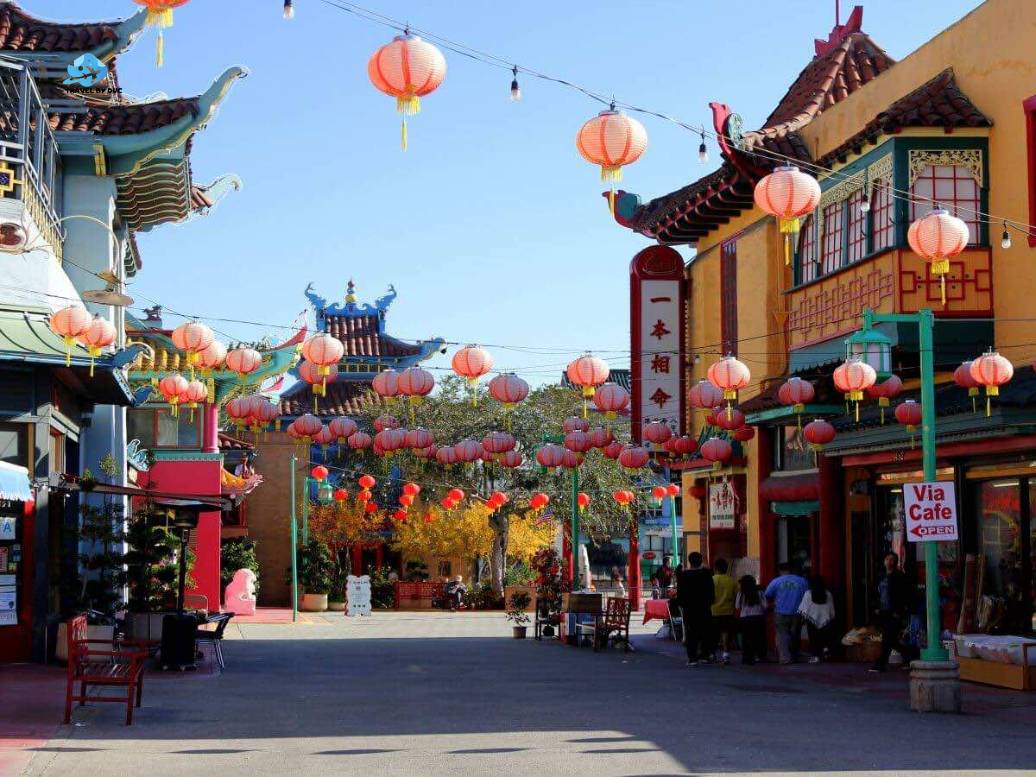
Finding hidden temples among busy streets
One of the most memorable parts of exploring China Town Saigon was discovering temples hidden between busy roads, markets, and rows of local shops. From the outside, some of these religious sites were easy to miss, especially when surrounded by the constant movement of daily city life. What fascinated me was how stepping through a temple entrance instantly changed the atmosphere. The noise of traffic seemed to fade away, replaced by a sense of calm and reflection. Incense filled the air, intricate decorations covered the walls, and visitors quietly paid their respects. These peaceful spaces felt completely different from the bustling streets outside. For travelers visiting China Town Saigon, I highly recommend taking time to explore beyond the main roads. Some of the most rewarding discoveries are the temples tucked away in unexpected locations, offering both cultural insight and a welcome moment of tranquility.
Observing local life beyond the tourist attractions
Another aspect of China Town Saigon that stayed with me was the opportunity to observe everyday life beyond the usual tourist attractions. While many visitors focus on famous landmarks, I found some of the most interesting moments simply by slowing down and watching the neighborhood around me. As I walked through the district, I saw shop owners preparing for the day, residents chatting outside their homes, and customers gathering at small cafés and food stalls. These scenes provided a glimpse into daily life that felt genuine and unfiltered. What I appreciated most was that China Town Saigon did not feel staged for tourism. The neighborhood continues to function as a living community, allowing visitors to experience a side of Ho Chi Minh City that often goes unnoticed. For me, these everyday observations became just as memorable as the historic sites themselves.
How the district preserves its cultural identity
Perhaps the biggest surprise was seeing how successfully China Town Saigon has preserved its cultural identity despite the rapid growth and modernization taking place throughout the city. Many neighborhoods around the world gradually lose their traditional character over time, but this district still feels deeply connected to its heritage. The influence of Chinese culture can be seen in the architecture, temples, businesses, festivals, and even the local food. As I explored the area, I noticed countless details that reflected the history of the community and its lasting contribution to the development of Ho Chi Minh City. What made this especially meaningful was that these traditions did not feel like museum exhibits or historical displays. They remain part of everyday life. This living connection to the past is what gives China Town Saigon its unique atmosphere and makes it one of the most fascinating places to explore in the city. For foreign travelers seeking a deeper cultural experience, I believe China Town Saigon offers far more than sightseeing alone. It provides an opportunity to better understand the people, traditions, and stories that continue to shape this remarkable district today.
The best boutique hotels in Ho Chi Minh

Fusion Original Saigon Centre
Located in central Ho Chi Minh City, Fusion Original Saigon Centre features free Wi-Fi, a restaurant, bar, outdoor pool, fitness center, and sauna. It’s a non-smoking hotel just a 3-minute walk from Takashimaya Vietnam.
Price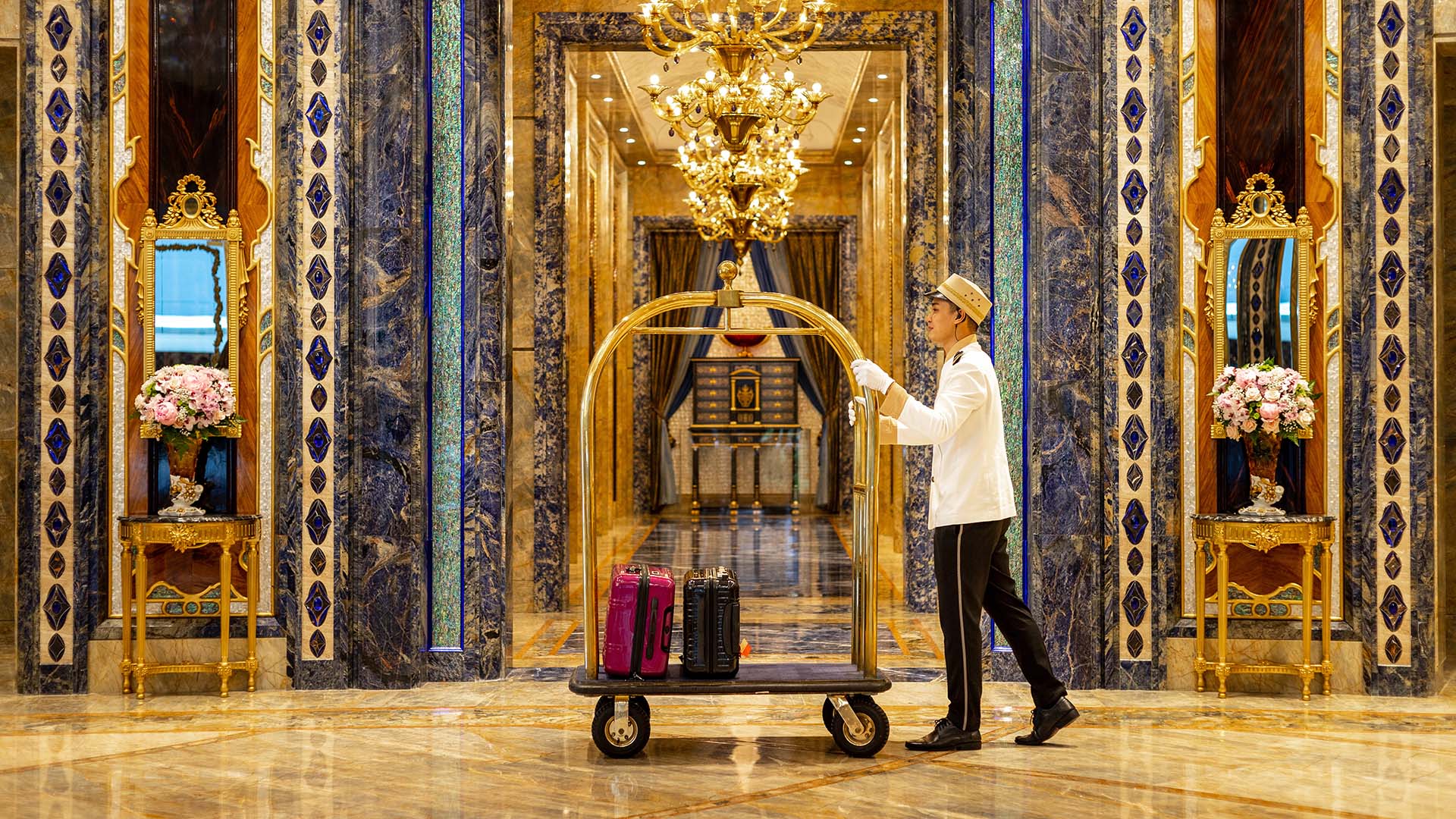
The Reverie Saigon
Located in District 1, The Reverie Saigon offers luxurious rooms with free Wi-Fi, an outdoor pool, spa, fitness center, and on-site restaurant serving Asian and Western dishes — just minutes from major landmarks.
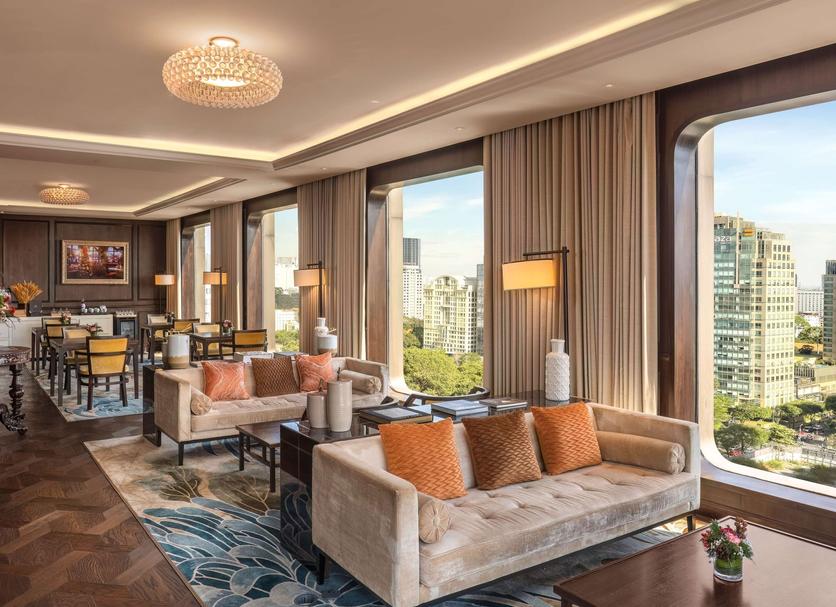
Hôtel des Arts Saigon – MGallery
Located in vibrant Ho Chi Minh City, Hotel Des Arts Saigon Mgallery Collection offers pet-friendly accommodation with free Wi-Fi, an outdoor pool, restaurant, bar, and 24-hour front desk — just steps from major attractions.
PriceBest experiences that helped me appreciate the culture history and local life of China Town Saigon
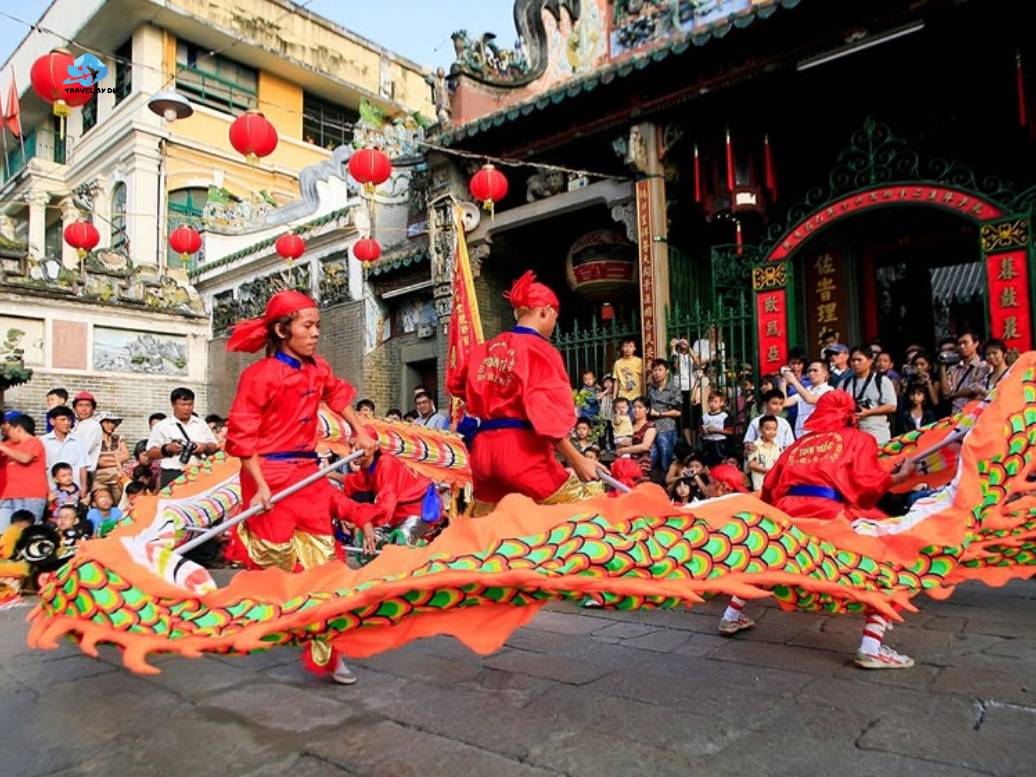
One of the reasons I enjoyed visiting China Town Saigon so much was the variety of experiences available within a relatively small area. Unlike attractions that focus on a single landmark or activity, this district offers a combination of culture, history, food, architecture, and everyday local life. The more time I spent exploring, the more I realized that some of the most rewarding experiences came from simply wandering without a strict itinerary. For first-time visitors, it can be tempting to focus only on the most famous attractions. However, I found that the true charm of China Town Saigon comes from combining several experiences throughout the day. Exploring local markets, visiting historic temples, and tasting traditional food allowed me to understand the neighborhood in a much deeper way than simply checking off landmarks from a list.
Exploring traditional markets and local shops
One of my favorite activities in China Town Saigon was exploring the traditional markets and small family-run shops scattered throughout the district. These places offered a fascinating glimpse into the daily life of local residents while also revealing the commercial traditions that have shaped the area for generations. As I walked through the markets, I found everything from fresh produce and herbs to household goods, traditional ingredients, and specialty products that reflected the neighborhood’s cultural heritage. The atmosphere felt lively and authentic, with vendors interacting with regular customers in a way that made the experience feel genuinely local. I also enjoyed discovering smaller shops hidden along side streets. Many of these businesses have been operating for years and contribute to the distinctive character of China Town Saigon. Even if you are not planning to buy anything, browsing these local businesses is a great way to experience the district’s unique atmosphere.
Visiting historic temples and cultural landmarks
Another highlight of my visit was spending time at the historic temples and cultural landmarks that make China Town Saigon such an important cultural destination. These sites provide valuable insight into the community’s history and traditions while also offering some of the most beautiful architecture in the district. What impressed me most was the contrast between the busy streets outside and the peaceful atmosphere inside many of the temples. Stepping through the entrance often felt like entering a completely different world. Intricate decorations, incense-filled halls, and centuries-old religious traditions created an experience that felt both educational and deeply atmospheric. For travelers interested in history and culture, visiting these landmarks is one of the most rewarding things to do in China Town Saigon. They help explain the origins of the neighborhood while also highlighting the cultural influences that continue to shape it today.
Discovering authentic Chinese Vietnamese cuisine
Food quickly became one of the most memorable parts of my experience in China Town Saigon. The district is known for its strong culinary traditions, and I found countless opportunities to sample dishes influenced by both Chinese and Vietnamese cultures. What I enjoyed most was the variety available throughout the neighborhood. From small street food stalls to long-established restaurants, there seemed to be something interesting on nearly every corner. Many of the dishes reflected generations of cultural exchange, creating flavors and recipes that feel unique to this part of Ho Chi Minh City. Rather than searching for a specific restaurant, I often followed the crowds of local residents. This approach led me to some of the most enjoyable meals of my trip. Exploring the food scene in China Town Saigon became more than just eating; it was a way to better understand the history, traditions, and daily life of the community itself. For food lovers, cultural travelers, and anyone looking for a more authentic side of the city, discovering the cuisine of China Town Saigon is an experience that should not be missed.
Read more:
Why Vincom Center Ho Chi Minh is more than just a shopping mall
Discovering winter in the heart of the city at Snow Town Saigon
Conclusion
Looking back on my visit, China Town Saigon became one of the most memorable parts of my time in Ho Chi Minh City. Before arriving, I expected to see historic temples, busy markets, and traditional architecture. What I discovered instead was a vibrant neighborhood where history, culture, food, and daily life blend together in a way that feels both authentic and fascinating. What impressed me most was the district’s ability to preserve its unique identity while remaining an active and important part of the modern city. Whether I was wandering through old streets, exploring hidden temples, observing local life, or enjoying traditional food, every experience revealed a different side of China Town Saigon and helped me better understand the city’s multicultural heritage. For foreign travelers looking to go beyond the typical tourist attractions, China Town Saigon offers a deeper and more meaningful travel experience. It is a place that rewards curiosity, encourages slow exploration, and provides countless opportunities to discover something unexpected around every corner. If you are planning a trip to Ho Chi Minh City, I would highly recommend setting aside enough time to explore China Town Saigon at your own pace. The district is not only rich in history and culture but also filled with the small moments and local encounters that often become the most memorable parts of any journey.