
The Cu Chi tunnel map is an intricate blueprint of one of Vietnam’s most fascinating historical sites, showcasing a complex network of tunnels that played a pivotal role during the Vietnam War. This detailed map offers visitors an immersive experience, revealing the ingenuity, endurance, and resilience of the Vietnamese soldiers and villagers who used these tunnels for shelter, communication, and strategic warfare.
Understanding the Cu Chi tunnel map is crucial for anyone aiming to appreciate the significance of this underground labyrinth. It not only guides visitors through the tunnels but also enriches their knowledge of the historical moments encapsulated within these trenches. Whether you’re a history enthusiast, an adventure seeker, or a curious traveler, exploring the Cu Chi tunnel map offers a glimpse into Vietnam’s turbulent past and the unyielding spirit of its people.
Who Creates the Cu Chi Tunnel Map and Its Historical Significance
The Cu Chi tunnel map has been developed by military historians, local guides, and preservationists with the purpose of illustrating the extraordinary underground network that was instrumental during the Vietnam War. It encapsulates the strategic complexity of an area that served as a military base, a hidden village, and a symbol of resilience.
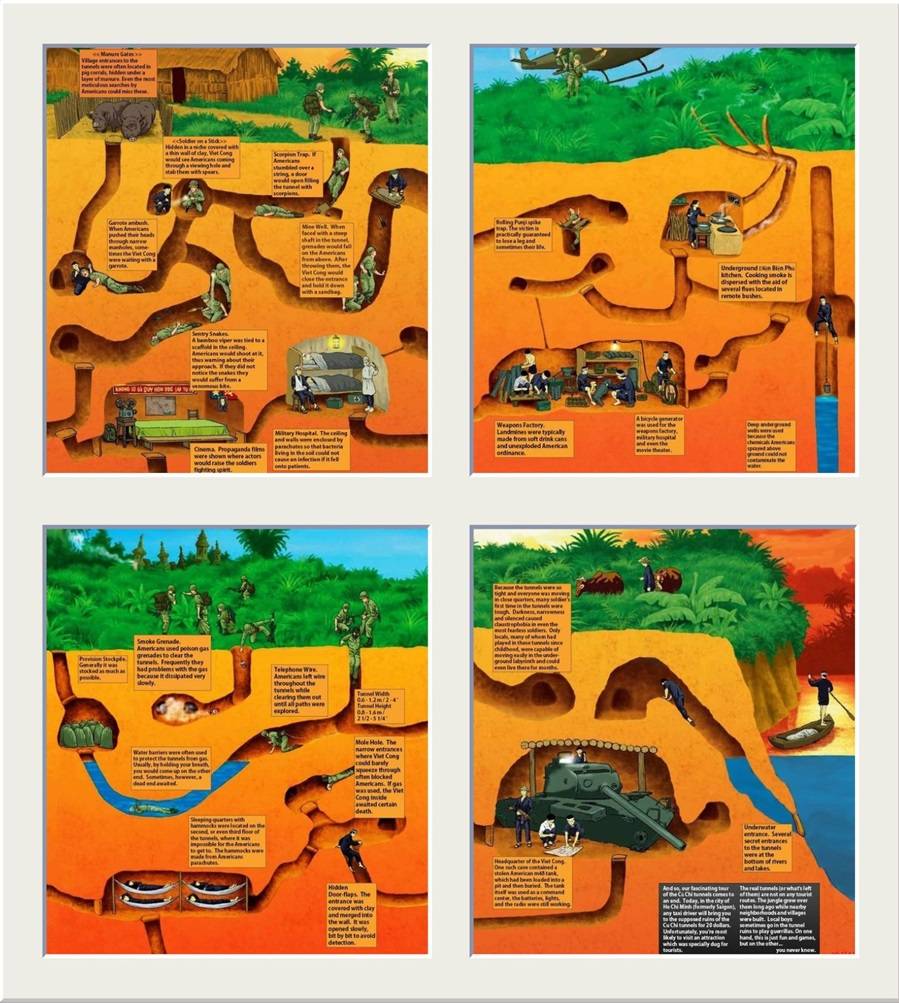
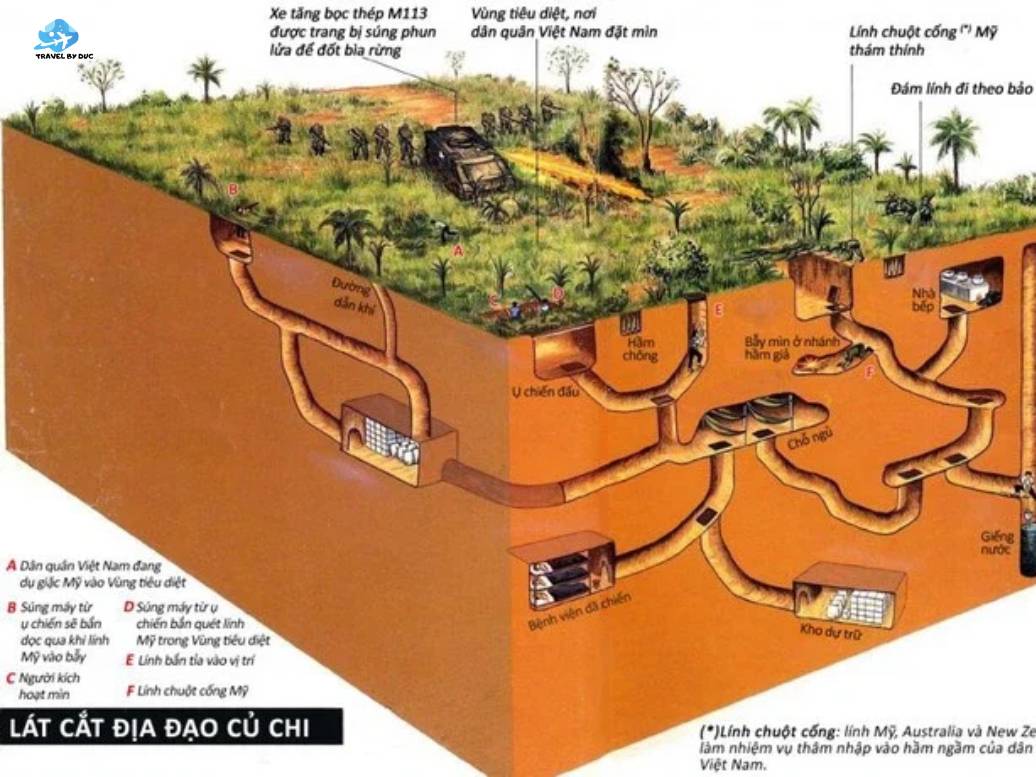
The creation of the Cu Chi tunnel map was driven by a desire to preserve this historical marvel for future generations. During the war, the tunnels extended over hundreds of kilometers and intertwined beneath the landscape with meticulous design. Today, this map functions both as an educational tool and a visitor guide, providing insights into the tactical ingenuity of Vietnamese fighters. It offers a detailed visual representation of the entire tunnel system, including living quarters, bomb shelters, communication routes, and escape tunnels, which are often hidden from surface view.
The historical significance of the Cu Chi tunnel map lies in its ability to document and visualize the tactical lifestyle of the guerrilla forces who endured constant threat and hardship. It tells a story of ingenuity where terrain and technology merged—militarily, culturally, and socially. The map reveals not only the physical layout but also symbolizes resilience amid adversity. For researchers and visitors alike, understanding its structure enhances respect for the tactics and sacrifices made by those who fought within it.
How to Navigate the Cu Chi Tunnel Map – Unlocking the Underground World
To truly appreciate the depth of the Cu Chi tunnel map, one must learn how to navigate it effectively. The underground labyrinth is designed to be both a defensive structure and a living space, spanning multiple levels and serving various functions. The key to understanding the map is recognizing how its features connect and relate to the surface environment and strategic landmarks.
Before venturing into the tunnels, it’s essential to study the map’s layout — noting the main entrances, escape routes, and significant zones such as the dining areas, medical stations, and storage areas. The map features a network of routes that connect these points, illustrating the overall strategy behind secret movement and defense tactics. Knowing these routes helps visitors and guides alike to navigate without getting lost and to focus on parts of the system most relevant to their interests.
Walking through the Cu Chi tunnel map requires a sense of orientation and curiosity. As you follow the routes marked on the map, imagine the lives of the guerrillas, their strategies for evasion, and their day-to-day struggles. For beginners, guided tours often include explanations of the map’s key features—such as trapdoors, ventilation holes, and concealed entrances. For more adventurous visitors, studying the map beforehand can turn a simple walk into a meaningful exploration of Vietnam’s wartime resilience. The map isn’t static; it is a living document that echoes the ingenuity of a people who turned adversity into a strategic advantage.
Pros and Cons of Using the Cu Chi Tunnel Map for Tourists and Historians
Utilizing the Cu Chi tunnel map during visits offers numerous advantages, but there are also some limitations to be aware of. Understanding these pros and cons can help travelers optimize their experience and gain a deeper appreciation of this historical marvel.
One significant advantage of the map is its ability to provide context and orientation within the extensive tunnel network. For tourists, it’s an invaluable tool that ensures they don’t miss key features, learn the strategic purpose behind different sections, and fully grasp the scope of the underground complex. Historians benefit from the detailed representation that helps analyze construction techniques, defensive strategies, and living conditions. The map also enhances educational value, making complex wartime logistics more accessible.
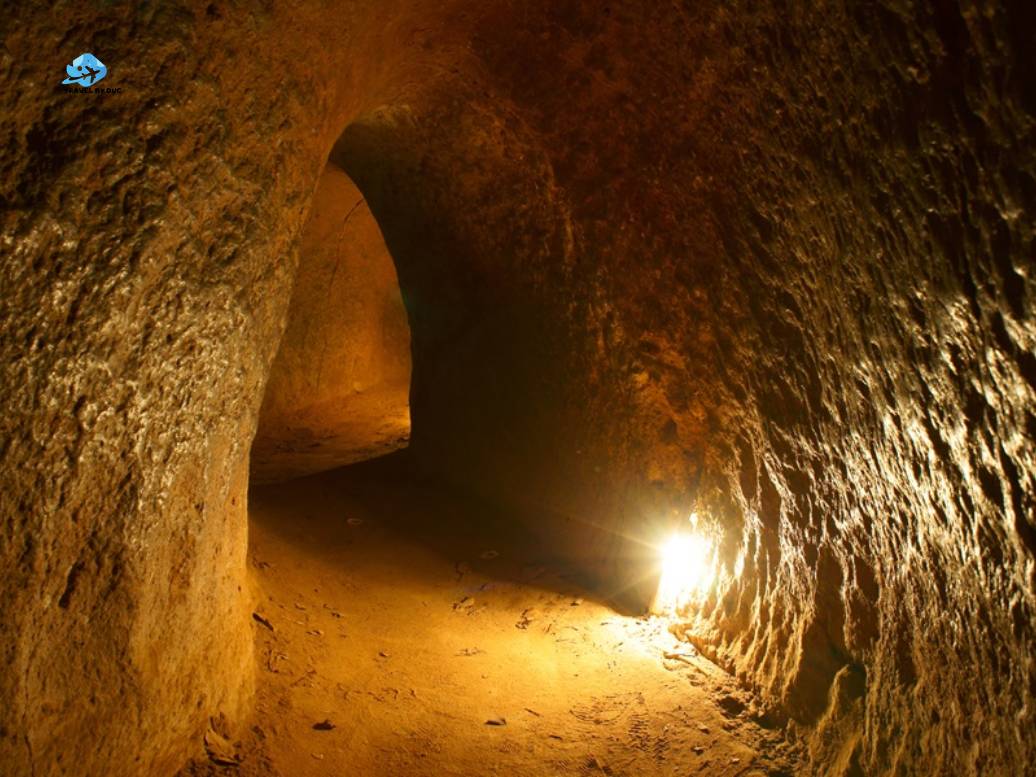
However, there are some drawbacks. The map, particularly in its simplified form for tourists, may not reflect the full complexity of the original tunnels, potentially leading to underappreciation of the sheer scale and ingenuity involved. Constructed tunnels are often altered for safety reasons, which can sometimes distort historical accuracy. Additionally, the physical environment of the tunnels and the map’s static nature can make navigation challenging for some visitors, especially those with limited mobility or claustrophobia. Lastly, relying solely on the map might diminish the emotional impact of visiting such a historically charged site if visitors overlook the experiential and personal stories behind the map’s features.
In essence, while the Cu Chi tunnel map is an essential tool for understanding and navigating the tunnels, it should be complemented with guided tours, personal stories, and on-site explanations to fully grasp the depth of the history and ingenuity embedded within its underground corridors.



Alternatives to the Traditional Cu Chi Tunnel Map
Although the conventional Cu Chi tunnel map provides valuable insights, alternative approaches and tools can enhance a visitor’s understanding and experience. AR (Augmented Reality) applications, virtual reality (VR) tours, and detailed multimedia guides are recent innovations that serve as compelling alternatives or complements.
AR apps allow visitors to interactively explore the tunnel system through their smartphones or AR glasses. When users point their devices at specific signs or markers on-site, they can see the tunnels come alive with overlaid digital reconstructions, offering a dynamic and immersive experience. This technology bridges the gap between historical facts and visual representation, making the complex tunnel network more accessible and engaging.
Similarly, VR tours take users on virtual expeditions through reconstructed tunnel systems. These can be particularly beneficial for those unable to physically navigate the narrow, dark tunnels. VR recreations often include narrated explanations aligned with the Cu Chi tunnel map, providing context and stories behind each segment. They are increasingly used in museums and educational institutions to offer a comprehensive understanding of wartime tactics and living conditions without the physical constraints.
While these alternatives provide innovative ways to explore the tunnels, they shouldn’t fully replace traditional maps, which offer tangible, detailed layouts and geographical context. Combining traditional and modern tools enriches the visitor experience, fostering both educational and emotional engagement with Vietnam’s wartime history.
Step-by-Step Guide to Exploring the Cu Chi Tunnel Map Effectively



Tips for Visiting Cu Chi Tunnel Map and the Underground System
Visiting the Cu Chi tunnel map and its tunnels requires some practical tips to ensure safety, comfort, and a meaningful experience. With a few guidelines, you can make your exploration more enjoyable and insightful.
First and foremost, wear comfortable clothing and suitable footwear. The tunnels are narrow, sometimes dark, and may involve walking in uneven terrain. Wearing light clothing and sturdy shoes can help you maneuver through tight spaces and long routes comfortably. Bring a small flashlight if you want to explore darker sections and ensure your smartphone or camera has sufficient battery life to capture your journey. Protecting yourself from the sun or rain with hats and umbrellas can also be beneficial, especially on outdoor parts of the tour.
Second, listen carefully to guides and follow designated pathways marked on the Cu Chi tunnel map. The tunnels are preserved for both safety and educational purposes, and wandering off-route can be hazardous. Keep your camera ready for photo opportunities, but do so with respect for the site and its historical significance. It’s crucial to remember that the tunnels were once a battleground; maintaining a respectful attitude enhances the overall experience.
Lastly, approach your visit with an open mind and curiosity. Don’t just focus on walking through the tunnels—absorb the stories, strategic ingenuity, and resilience embodied in the map and structures. Engage with guides, ask questions, and read signage carefully. Bring a notebook if you wish to jot down insights or impressions. A well-prepared visitor will leave with a deeper understanding of the historical context and a profound appreciation of Vietnam’s wartime resilience as detailed in the Cu Chi tunnel map.
Read more:
Using a district map of saigon to choose where to stay and visit
Understanding ho chi minh city map by district to choose where to stay and visit
Conclusion
The Cu Chi tunnel map stands as a remarkable visual and strategic representation of Vietnam’s wartime ingenuity, offering a tangible link to the resilience of those who fought beneath the surface. From its historical creation by military experts to modern innovations like AR and VR, the map provides invaluable insights into the complex network of tunnels that played a crucial role during the Vietnam War. By learning how to navigate it effectively, understanding its pros and cons, and exploring alternatives, visitors can deepen their appreciation and comprehension of Vietnam’s history. With proper preparation and curiosity, a journey through the Cu Chi tunnels, guided by the map, transforms into a powerful educational experience that honors the courage and resilience of the Vietnamese people.

Duc
I'm a traveler who was born and raised right here in Vietnam. For decades, I’ve been exploring, and for me, traveling is much more than seeing sights.
Today, through my blog, Travel by Duc, my mission is simple: to be a genuine resource to help you travel smarter, explore the world with confidence, and find a deeper sense of connection wherever you go.
The world is waiting, and I look forward to exploring it together!