Choosing trains from Ho Chi Minh to Da Nang was not about convenience or speed. It was a decision shaped by curiosity and the desire to let the journey breathe. After days of busy streets, constant movement, and overlapping impressions, the train offered something different a stretch of time where nothing needed to be achieved. Sitting by the window, watching landscapes pass without interruption, this part of my Vietnam trip felt quieter, almost suspended. The train did not rush me toward Da Nang. Instead, it allowed the distance itself to become meaningful, turning the hours on the tracks into a calm chapter that softened everything before and after.
Why trains from Ho Chi Minh to Da Nang feel like a natural pause inside long distance travel in Vietnam
Choosing trains from Ho Chi Minh to Da Nang did not feel like a practical decision so much as an emotional one. In a country where movement is constant and travel often feels compressed into tight schedules, the train introduced a different pace. From the moment the carriage began to roll forward, time seemed to stretch rather than disappear. There was no urgency to arrive, no pressure to maximize hours or experiences. Instead, the journey itself became the focus. Traveling by train allowed space for reflection, for small observations, and for moments of stillness that are often missing in long distance travel. This pause was not empty or unproductive. It felt intentional, creating a gentle transition between two places rather than a sharp break.
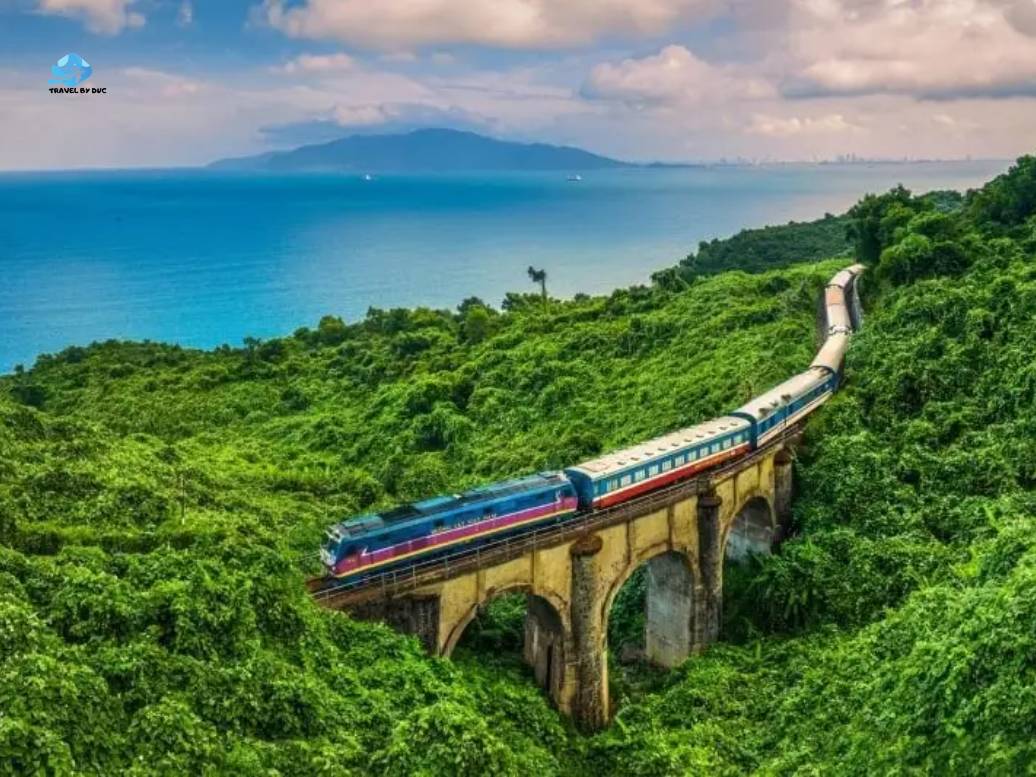
Choosing time over speed in a country that moves quickly
Vietnam often reveals itself through motion motorbikes weaving through traffic, cities pulsing from early morning until late at night. Against that backdrop, choosing trains from Ho Chi Minh to Da Nang felt like quietly stepping out of the current. I knew the journey would take longer than flying, but that extra time felt valuable rather than wasted. Hours passed without demanding attention, giving me room to sit, watch, and think. The landscapes outside the window unfolded slowly, and with them my own thoughts settled. By choosing time over speed, I wasn’t escaping the country’s rhythm, but experiencing a softer layer of it, one that exists beneath the rush.
How the steady rhythm of the train reshapes expectations of arrival
As the train continued north, its steady movement began to change how I imagined arriving in Da Nang. There was no dramatic countdown or sudden shift. Instead, arrival felt like a continuation of the journey rather than its conclusion. Traveling on trains from Ho Chi Minh to Da Nang taught me that arrival does not need to feel abrupt or overwhelming. The slow approach allowed anticipation to build gently, without pressure or expectation. When the train finally pulled into the station, I felt already adjusted, already present. The rhythm of the tracks had carried me there gradually, making the destination feel familiar before I even stepped onto the platform.
Observing Vietnam unfold slowly from a train window during the journey from Ho Chi Minh to Da Nang
One of the quiet gifts of taking trains from Ho Chi Minh to Da Nang is the way Vietnam reveals itself without asking for attention. From a seat by the window, the country does not perform or present highlights. It simply continues being itself. The train moves steadily forward, and with that movement comes a continuous flow of scenes that feel connected rather than curated. Watching Vietnam unfold this way made me realize how much of travel is usually shaped by schedules and endpoints. On the train, the view became the journey. Each passing moment replaced the need to check time, creating a sense that the country was unfolding at its own pace, not mine.
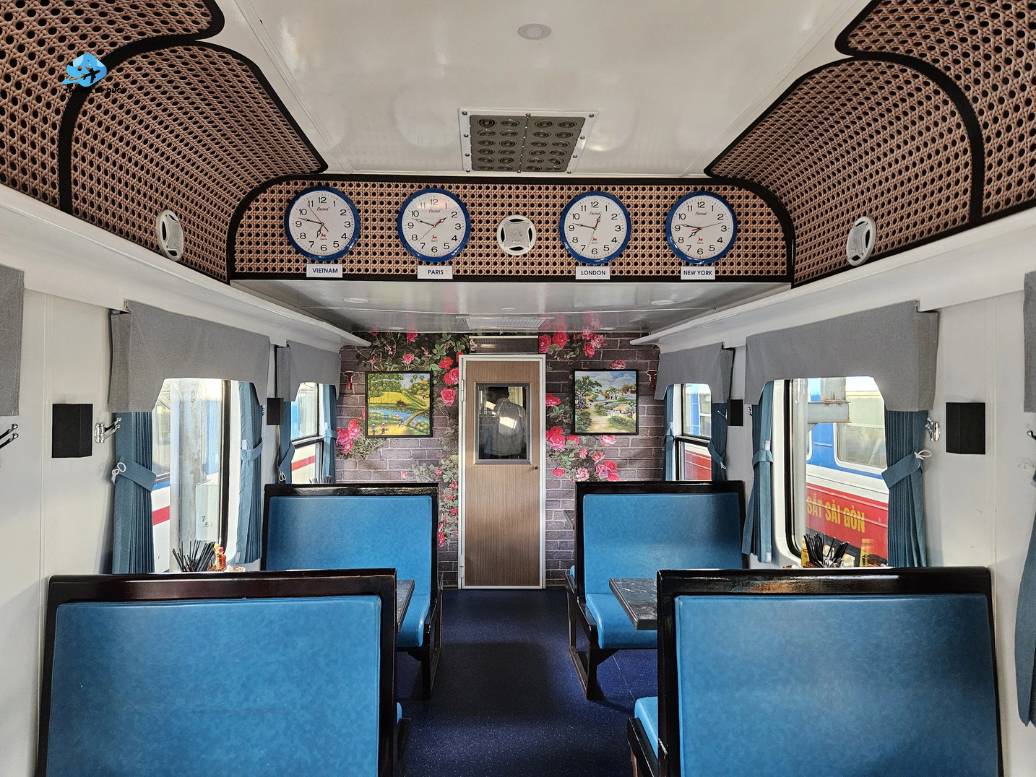
From urban density to open coastlines and rural silence
Leaving Ho Chi Minh City by train, the density of buildings and movement gradually softened. Streets packed with life gave way to quieter neighborhoods, then to open fields, small houses, and stretches of green that seemed to breathe. As trains from Ho Chi Minh to Da Nang continued north, the scenery shifted again, revealing glimpses of coastline, rivers, and long, quiet spaces where nothing demanded interpretation. These transitions happened without announcement. There was no clear line marking change, only a gradual loosening of the urban grip. Sitting with these shifts felt intimate, as if I were watching Vietnam exhale slowly through the window.
Letting scenery replace schedules as the main focus
Somewhere along the route, I stopped thinking about arrival time altogether. The steady rhythm of trains from Ho Chi Minh to Da Nang made schedules feel distant and irrelevant. Instead of counting hours, I found myself counting moments the curve of a river, a line of palm trees, a stretch of coastline appearing and disappearing. The scenery took over as the main focus, guiding my attention away from planning and toward presence. In that space, travel felt less like moving between destinations and more like quietly existing within the country as it passed by, frame by frame, without rush or expectation.
Life onboard and the quiet intimacy of shared space while traveling by trains from Ho Chi Minh to Da Nang
There is a particular kind of intimacy that forms on trains from Ho Chi Minh to Da Nang, one that exists without names, introductions, or conversation. Inside the carriage, strangers share hours of movement together, bound by the same direction and the same rhythm of travel. No one feels the need to explain who they are or where they are going. I found comfort in this unspoken agreement. The train became a temporary world where presence mattered more than identity. Sitting there, I felt connected not through words, but through the simple act of moving forward together, quietly and without expectation.
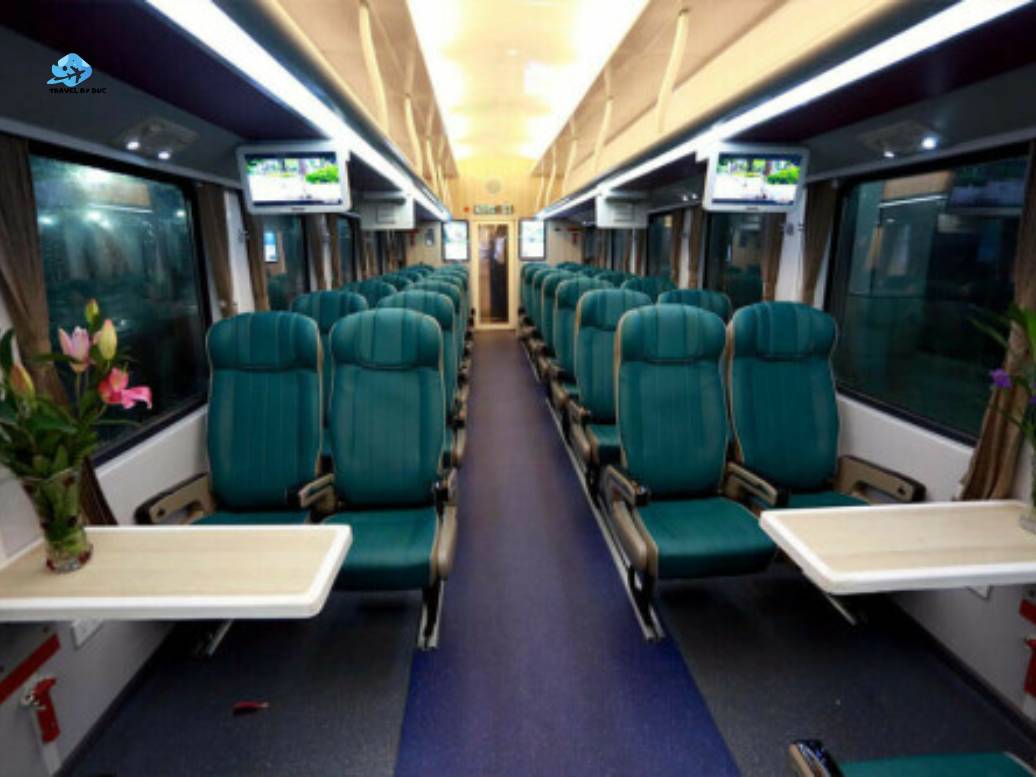
Sitting among strangers without the need for conversation
On trains from Ho Chi Minh to Da Nang, silence never felt awkward. People sat beside each other reading, staring out the window, or resting with eyes half closed. Occasionally someone shifted, opened a snack, or adjusted their bag, but no one felt compelled to fill the space with small talk. This absence of conversation created a gentle sense of freedom. I could observe without participating, exist without performing. Sharing the carriage with strangers reminded me that connection does not always require interaction. Sometimes, simply sharing time and direction is enough.
How small routines on the train create a sense of grounding
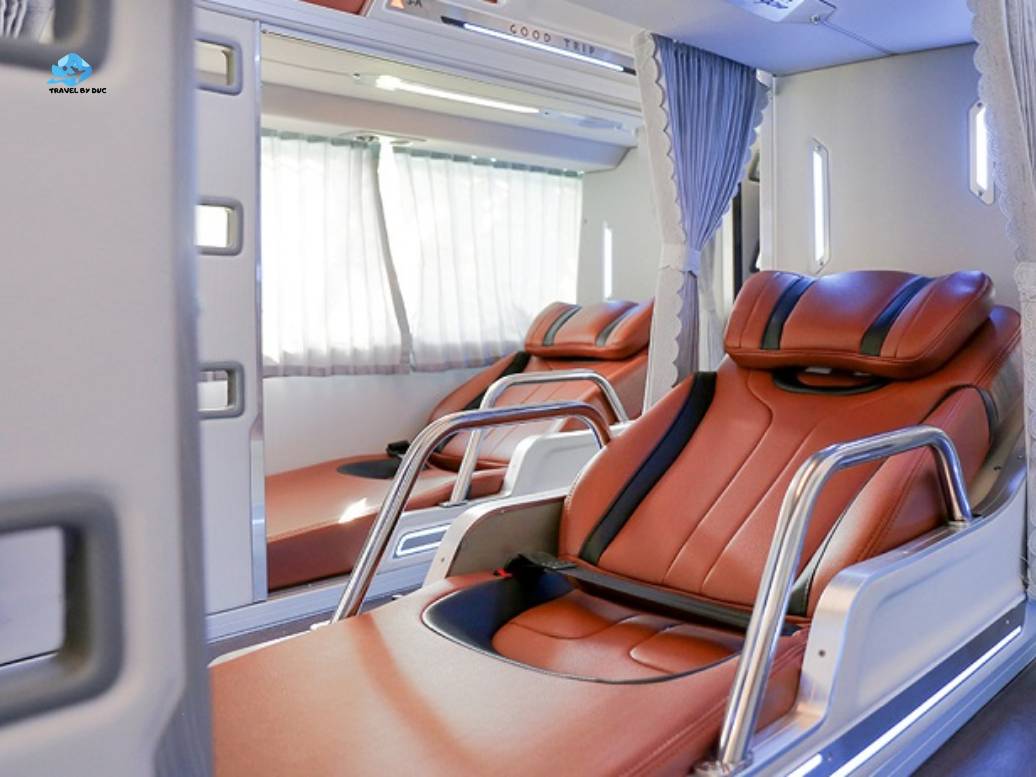
As the hours passed, small routines began to anchor the journey. A cup of tea placed carefully on the fold-out table, a visit to the narrow corridor, the repeated sound of wheels meeting the tracks. These simple actions, repeated along trains from Ho Chi Minh to Da Nang, created a calming structure within the long journey. The predictability of these moments grounded me, making time feel slower and more tangible. In that steady rhythm, travel stopped feeling like movement between places and started feeling like a lived experience, shaped by ordinary gestures and quiet repetition.
Arriving in Da Nang through trains from Ho Chi Minh to Da Nang without the feeling of sudden arrival
Arriving in Da Nang by trains from Ho Chi Minh to Da Nang did not come with the usual sense of disruption that often follows long distance travel. There was no abrupt shift, no moment where the body struggled to catch up with the place. The journey had already prepared me. Hours of steady movement, changing light, and slow landscapes allowed the mind to adjust long before the train reached its final stop. After days filled with things to do in HCMC, this gradual transition felt especially gentle. When the doors opened, Da Nang felt less like a new destination and more like the next chapter unfolding naturally from the previous one.
How gradual travel softens the shift between destinations
Traveling by trains from Ho Chi Minh to Da Nang stretches the transition itself into part of the experience. Instead of compressing distance into a short flight, the train lets change happen in layers. Urban scenes fade into quieter stretches, and familiar rhythms slowly give way to something softer. This gradual movement removed the shock of arrival. By the time I stepped onto the platform, my expectations had already shifted. I wasn’t rushing to orient myself. I was already present, already receptive to the pace of the city waiting outside.
Carrying the calm of the train into the first moments of the city
What surprised me most was how the calm from trains from Ho Chi Minh to Da Nang stayed with me even after the journey ended. Walking through the station, finding my way into the streets, everything felt unhurried. The city revealed itself gently, without demanding immediate attention. That quiet rhythm followed me into my first steps through Da Nang, shaping how I observed and moved. The train did not end at the station. Its influence carried forward, easing the transition and allowing the city to be met with openness rather than urgency.
Read more:
Understanding history through a visit to war remnants museum Ho Chi Minh
Bus from HCMC to Phnom Penh and how borders feel from a seat by the window
Conclusion
Travel does not always leave its mark through what is seen, but through how it is felt. Taking trains from Ho Chi Minh to Da Nang allowed the journey itself to become part of the experience rather than a space to be rushed through. The slow rhythm, shared silence, and unfolding landscapes softened the distance between places and states of mind. By the time I arrived, there was no clear line between movement and arrival. The train had already done its work, easing the transition and leaving me more attentive, more grounded, and quietly ready to receive whatever Da Nang chose to reveal next.
Duc I'm a traveler who was born and raised right here in Vietnam. For decades, I’ve been exploring, and for me, traveling is much more than seeing sights. Today, through my blog, Travel by Duc, my mission is simple: to be a genuine resource to help you travel smarter, explore the world with confidence, and find a deeper sense of connection wherever you go. The world is waiting, and I look forward to exploring it together!