
There are days when a city reveals itself not through its busiest streets or most famous landmarks, but through the quiet spaces where stories are preserved. My visit to Fine Arts Museum Ho Chi Minh City was exactly that kind of experience. What began as a simple plan to explore an art museum slowly unfolded into a full day of reflection, discovery, and connection—not only with Vietnamese art, but with the rhythm of the city itself.
From the moment I arrived, I realized that the Fine Arts Museum Ho Chi Minh City is more than a cultural institution. It is a layered narrative of Vietnam’s past and present, expressed through color, texture, and form. Spending a day here felt less like visiting a museum and more like stepping into a living archive of creativity.
An Overview of the Fine Arts Museum Ho Chi Minh City
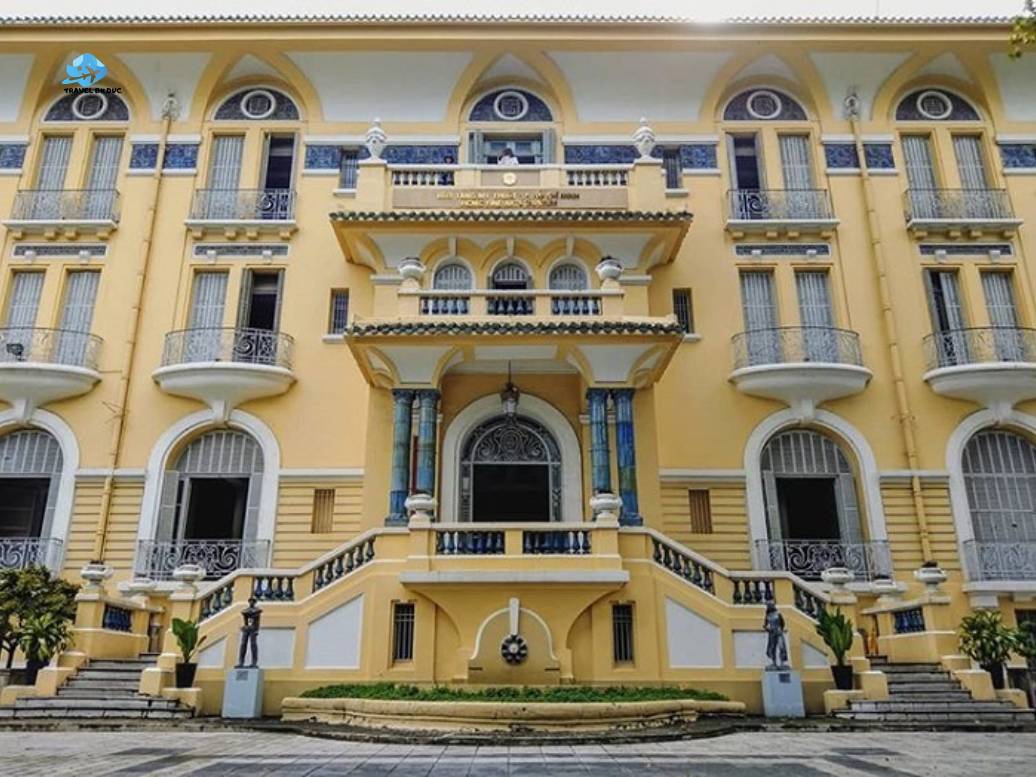
A day that begins at the Fine Arts Museum Ho Chi Minh City rarely feels like a typical sightseeing experience. Instead, it unfolds gradually, almost like stepping into a living narrative where art, architecture, and the rhythm of the city intersect. From the outside, the building already hints at something deeper. Its pale yellow façade, detailed balconies, and quiet elegance stand in contrast to the constant motion of nearby streets, inviting visitors into a slower, more reflective space.
As I walked through its gates, the transition felt immediate. The noise of motorbikes and conversations softened into a distant hum, replaced by the stillness of wide hallways and sunlit rooms. This is what makes the Fine Arts Museum Ho Chi Minh City more than just a collection of artworks. It acts as a bridge—connecting past and present, tradition and experimentation, and even the inner experience of the visitor with the broader story of Vietnam.
Spending a day here is not about rushing from one exhibit to another. It is about allowing each room to reveal something different. One moment, you are observing intricate lacquer paintings that reflect centuries-old techniques. The next, you encounter bold contemporary installations that question identity, memory, and modern life. This dynamic shift gives the museum its unique rhythm, turning a simple visit into a layered journey.
What stands out most is how accessible the experience feels. Whether you are deeply knowledgeable about art or simply curious, the museum welcomes you in a way that feels personal. It does not demand expertise; instead, it encourages observation, interpretation, and emotional response. That openness is what makes a full day of art here feel both immersive and unexpectedly intimate.
Historical Background and Significance
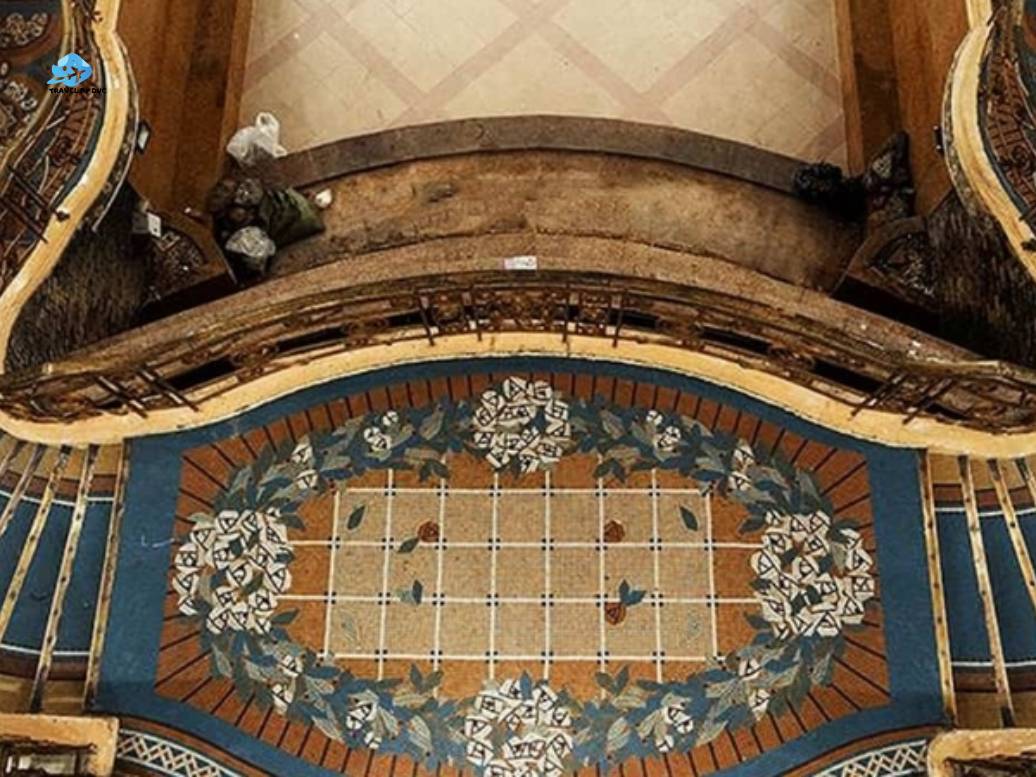
Understanding the history of the Fine Arts Museum Ho Chi Minh City adds another dimension to the experience. The building itself dates back to 1929, originally constructed as a private residence during the French colonial era. Its architecture reflects a blend of European influence and subtle Asian elements, which already tells a story before any artwork is even considered.
When the museum officially opened in 1987, it marked a significant step in Vietnam’s effort to preserve and present its artistic heritage. This transformation—from a private villa to a public cultural institution—mirrors the broader narrative of the country itself: evolving, adapting, and redefining its identity over time.
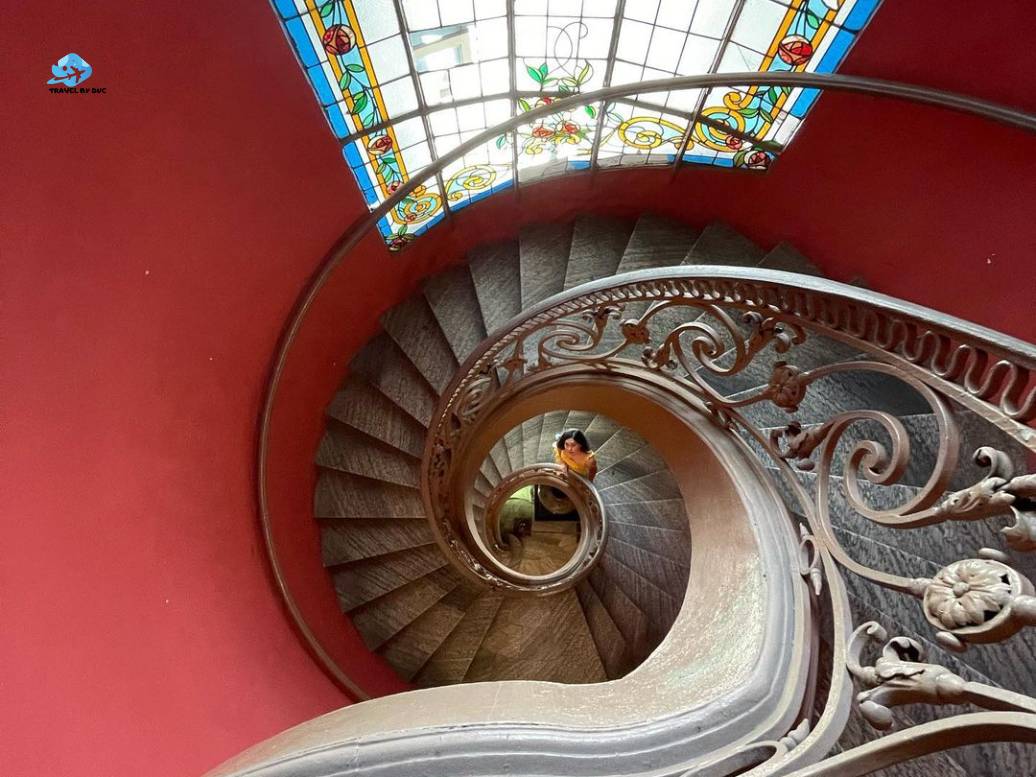
Walking through its corridors, you begin to sense that history is not confined to the exhibits. It exists within the walls, the staircases, and even the light filtering through the windows. Each room feels like a chapter, not only of artistic development but also of social and political change. Vietnam’s past, shaped by colonialism, conflict, and renewal, is subtly embedded in the museum’s atmosphere.
The museum’s significance extends beyond preservation. It plays an active role in shaping contemporary Vietnamese art by providing a platform for both established and emerging artists. This dual function—honoring tradition while encouraging innovation—keeps the space relevant. It is not frozen in time; it continues to evolve alongside the culture it represents.
For visitors, this means that a day at the museum is not just about looking back. It is also about witnessing how history informs the present and influences the future. The artworks become more than visual objects—they become reflections of resilience, adaptation, and creativity.
Collections and Exhibits in the Fine Arts Museum Ho Chi Minh City
Spending several hours exploring the collections at the Fine Arts Museum Ho Chi Minh City reveals just how diverse Vietnamese art truly is. The museum’s layout encourages a gradual progression, allowing visitors to move through different periods and styles in a way that feels natural rather than overwhelming.
The permanent collection forms the foundation of the experience. Here, traditional art forms such as woodblock prints, ceramics, and lacquer paintings offer insight into Vietnam’s cultural roots. These works often depict rural life, folklore, and spiritual beliefs, capturing a sense of continuity that has persisted across generations. There is a quiet depth to these pieces, inviting viewers to look closely and appreciate the craftsmanship behind every detail.
As the journey continues, the tone begins to shift. Colonial-era artworks introduce new techniques and perspectives, reflecting the influence of external cultures. These pieces often feel more structured, sometimes blending Western artistic methods with distinctly Vietnamese themes. This fusion creates an interesting tension—one that speaks to a period of change and adaptation.
Moving into the modern and contemporary sections, the energy becomes more dynamic. Paintings, sculptures, and installations begin to address complex themes such as identity, urbanization, and memory. These works often challenge traditional boundaries, encouraging viewers to think critically and engage with the art on a deeper level.
What makes the experience particularly compelling is the way these different collections interact with each other. They are not isolated categories but interconnected expressions of a larger cultural narrative. By the time you reach the final rooms, you start to see patterns—recurring themes, evolving techniques, and shifting perspectives that define Vietnamese art as a whole.
Top Highlights and Must-See Exhibits
Among the many works displayed at the Fine Arts Museum Ho Chi Minh City, certain highlights naturally draw attention and leave a lasting impression. As one of the most compelling ho chi minh attractions, these pieces often serve as entry points, helping visitors connect more deeply with the broader collection while experiencing the cultural richness of the city.
Lacquer paintings are perhaps the most iconic. Their layered textures, rich colors, and reflective surfaces create a sense of depth that changes depending on the light and the viewer’s perspective. Standing in front of these works, it becomes clear that they are not just paintings but carefully constructed compositions that require both technical skill and patience. For many travelers exploring ho chi minh attractions, this section becomes a defining moment, where traditional craftsmanship reveals the artistic identity of Vietnam.
Silk paintings offer a different kind of beauty. Softer and more delicate, they often depict scenes of everyday life—moments that feel both specific and universal. There is a quiet emotional quality to these works, as if they are capturing fleeting memories rather than fixed images. Within the broader context of Ho Chi Minh attractions, these paintings provide a more intimate perspective, allowing visitors to slow down and connect with the subtle rhythms of Vietnamese life.
The sculpture sections add another dimension to the experience. Many pieces draw from Vietnamese folklore and history, transforming stories into tangible forms. These works often feel grounded and expressive, bridging the gap between narrative and physical presence. As part of the diverse range of ho chi minh attractions, these sculptures offer a tactile sense of history, turning myths and traditions into something visitors can almost feel.
One of the most impactful areas is the collection of 20th-century revolutionary art. These works reflect a period of intense change and struggle, capturing both hardship and resilience. They carry a strong emotional weight, reminding visitors that art can serve as both documentation and expression during times of uncertainty. Among ho chi minh attractions, this section stands out for its depth, offering insight not just into art, but into the spirit of a nation.
Contemporary exhibits, on the other hand, bring a sense of immediacy. They often experiment with form and concept, encouraging viewers to question assumptions and explore new interpretations. This contrast between past and present is what makes the museum feel complete—it does not favor one over the other but allows them to coexist. For those seeking ho chi minh attractions that go beyond surface-level experiences, this evolving dialogue between tradition and modernity makes the museum an essential stop.
Visiting Tips and Practical Information
To fully experience a day of art at the Fine Arts Museum Ho Chi Minh City, a bit of planning can make a significant difference. While the museum is accessible and easy to navigate, approaching it with intention allows you to engage more deeply with what it offers.
Arriving in the morning is often the best choice. The early hours provide a quieter atmosphere, giving you the space to move through the galleries at your own pace. This is especially valuable if you prefer to spend time reflecting rather than simply observing.
Allocating several hours—or even half a day—ensures that you do not feel rushed. The museum is not overly large, but its richness lies in the details. Taking the time to pause, revisit certain pieces, or simply sit and absorb the environment can transform the experience.
Audio guides or guided tours are highly recommended, particularly for first-time visitors. They provide context that may not be immediately visible, helping you understand the historical and cultural significance behind each work. This added layer of insight often makes the artworks more meaningful.
It is also worth considering how the museum fits into the rest of your day. Located in the heart of Ho Chi Minh City, it is surrounded by cafés, restaurants, and other cultural landmarks. After spending hours immersed in art, stepping back into the city can feel like a continuation of the experience rather than a contrast. The colors, sounds, and energy of the streets begin to echo what you have just seen inside.
Finally, visiting on a weekday can offer a more शांत and personal experience, with fewer crowds and more opportunities for quiet observation. Respecting the museum’s guidelines, especially in sensitive areas, helps maintain the calm atmosphere that makes it such a special place.
Comparing The Fine Arts Museum Ho Chi Minh City with Other Art Exhibits
While the Fine Arts Museum Ho Chi Minh City is a central hub for Vietnamese art, similar sites like the Vietnam Fine Arts Museum in Hanoi and other regional galleries provide contrasting experiences. Below is a comparison to help determine the best option suited to your interests:
| Feature | Fine Arts Museum Ho Chi Minh City | Vietnam Fine Arts Museum (Hanoi) | Regional Art Galleries |
|---|---|---|---|
| Location | Central District 1, Ho Chi Minh City | Hanoi Old Quarter | Various, across Vietnam |
| Focus | Vietnamese contemporary and traditional art | National collection, historical focus | Regional contemporary art |
| Architecture | Colonial villa with lush gardens | Traditional French-colonial architecture | Modern, diverse designs |
| Exhibitions | Permanent + rotating modern & traditional | Extensive historical archive | Specialized exhibits, latest art trends |
| Visitor Experience | Rich history, diverse collection | Educational, comprehensive history | Niche collections, modern art |
Summary: The Fine Arts Museum Ho Chi Minh City excels in offering a dynamic blend of traditional and contemporary Vietnamese art in a historic setting. The Hanoi counterpart emphasizes historical depth and national heritage, while regional galleries focus on innovative and local art scenes. Depending on your interests—whether historical knowledge or contemporary trends—you can choose your preferred destination.
Read more:
Irish bars in Ho Chi Minh City beyond expectations and local experiences
Jazz bar Saigon beyond expectations and intimate experiences
Conclusion
The Fine Arts Museum Ho Chi Minh City embodies Vietnam’s artistic soul, showcasing a spectrum from traditional craftsmanship to contemporary innovation. Its rich collections and historic architecture provide an immersive experience into the nation’s cultural evolution. Whether you’re an enthusiast of Vietnamese art, a history buff, or simply a curious traveler, the museum offers valuable insights and inspiring artworks that reflect Vietnam’s resilience and creativity. Visiting this museum is not only about appreciating art but also about understanding a nation’s fabric woven through its visual expressions. Always a vibrant cultural hub, the Fine Arts Museum Ho Chi Minh City remains an essential stop for anyone eager to explore the depths of Vietnamese artistic heritage.
Duc
I'm a traveler who was born and raised right here in Vietnam. For decades, I’ve been exploring, and for me, traveling is much more than seeing sights.
Today, through my blog, Travel by Duc, my mission is simple: to be a genuine resource to help you travel smarter, explore the world with confidence, and find a deeper sense of connection wherever you go.
The world is waiting, and I look forward to exploring it together!