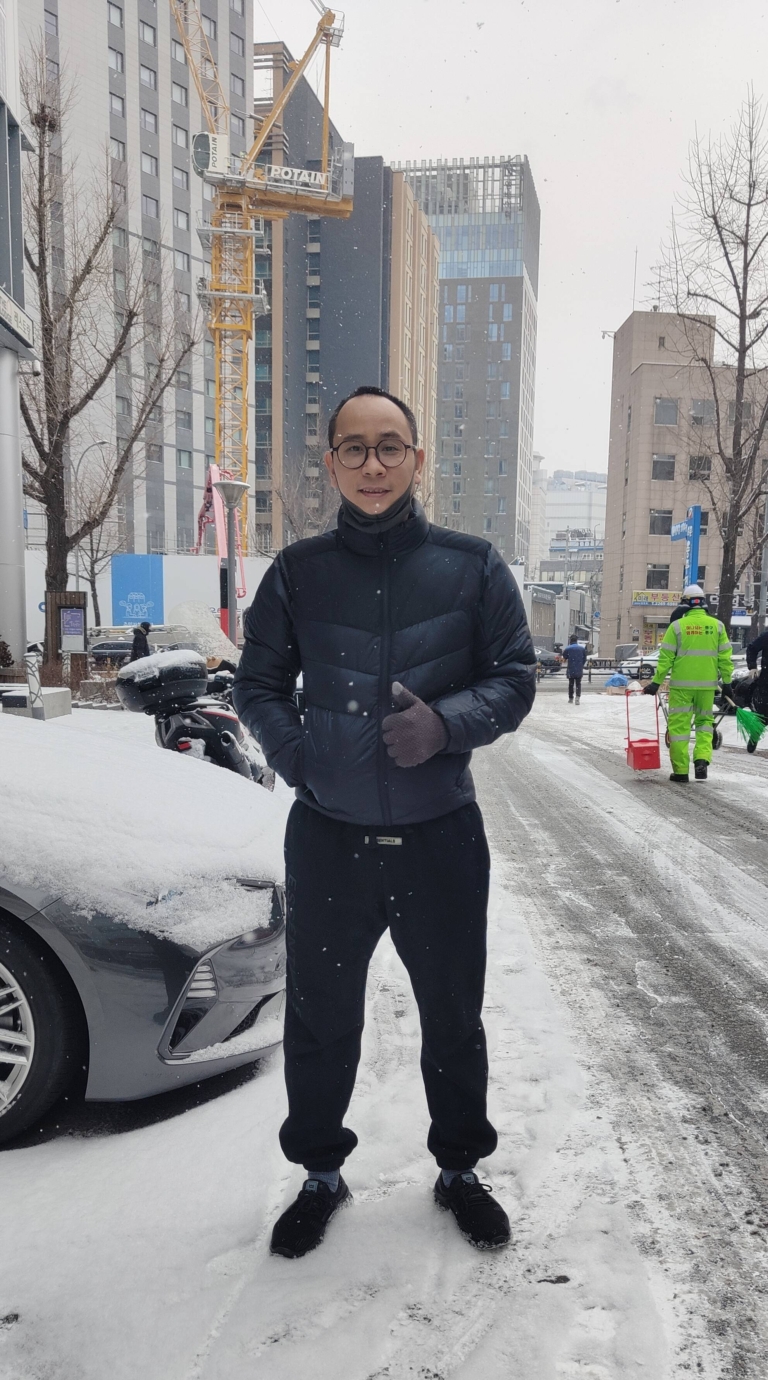
I didn’t arrive at the museum with a clear plan to take photos. It happened slowly, almost unintentionally, as I wandered through quiet corners where light settled gently on old walls and tiled floors. The Ho Chi Minh City fine arts museum photos I captured were not about perfect composition, but about small pauses moments where the building felt still, untouched by time. In those quiet spaces, photography became less about documenting and more about noticing. Each frame held a softness that reflected not only the museum, but the way I was moving through it unhurried, observant, and quietly present.
Letting natural light quietly guide my Ho Chi Minh City fine arts museum photos through each room and corridor
I realized early on that planning each photo inside the museum felt unnecessary. The space seemed to offer its own direction, especially through the way light moved across it. Instead of searching for the perfect angle, I found myself waiting for light to settle into place. The Ho Chi Minh City fine arts museum photos I captured were shaped less by intention and more by attention noticing how brightness shifted from one room to another, how certain corners softened under diffused daylight. In that process, photography became slower, more intuitive, almost like listening rather than deciding.
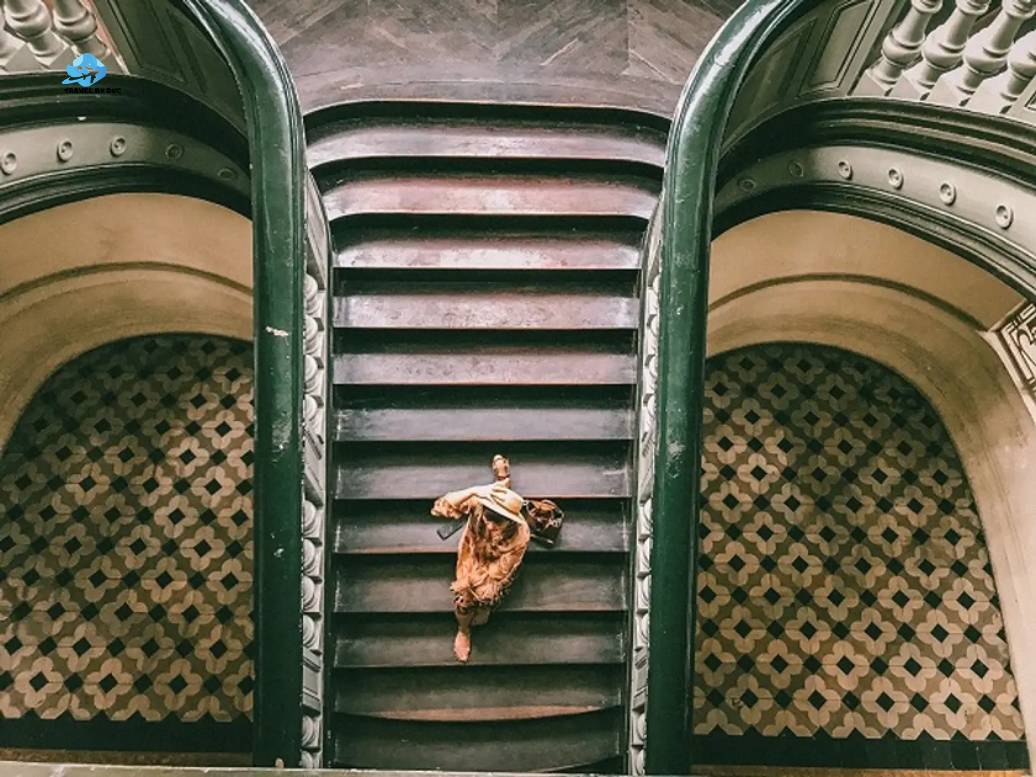
Following natural light through windows and staircases
There were moments when I simply followed the light as if it were a quiet guide. It filtered through tall windows, stretched across staircases, and lingered on textured walls in ways that felt effortless. Moving alongside it, I began to see the museum differently not as a series of rooms, but as a flow of changing light. The Ho Chi Minh City fine arts museum photos I took in these moments carried that movement within them, subtle but present, as if each image held a fragment of time passing gently through space.
How shadows added depth without needing intention
What surprised me most was how shadows completed the scene without asking for attention. They appeared naturally, adding depth and contrast without feeling forced. I didn’t need to adjust or control them. They existed as part of the environment, quietly shaping the composition. In many of my Ho Chi Minh City fine arts museum photos, it was the balance between light and shadow that created a sense of stillness. The images felt less constructed and more discovered, as if they had been waiting there all along.
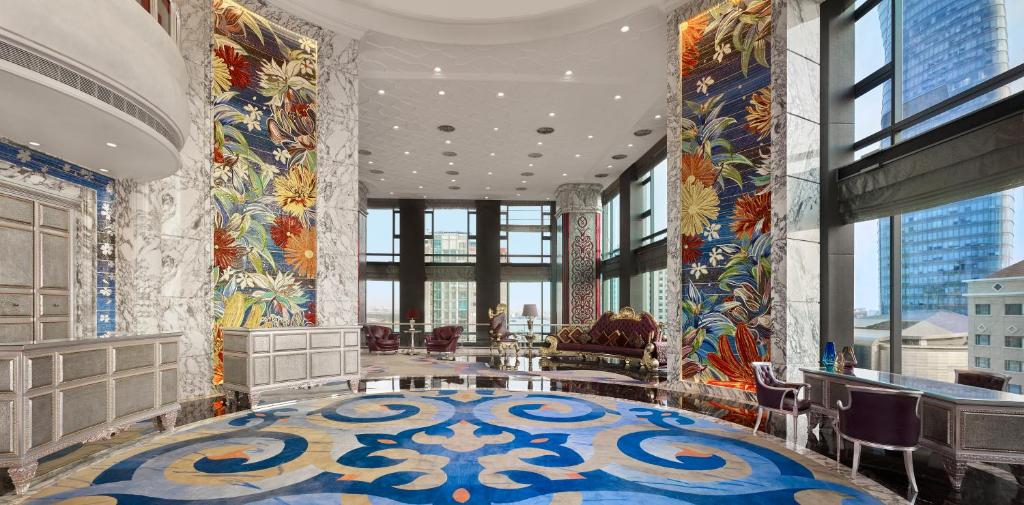
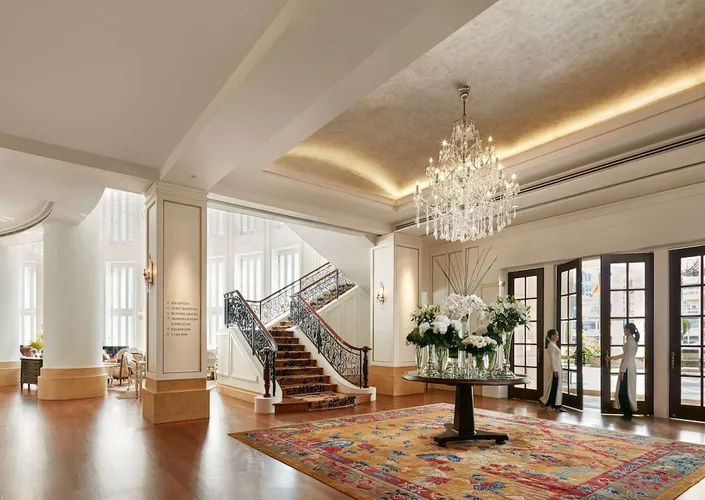
The quiet rhythm inside the museum that gently shaped how I approached Ho Chi Minh City fine arts museum photos
As I moved deeper into the museum, I began to notice a rhythm that felt completely different from the city outside. There was no urgency, no fixed direction, only a quiet flow from one room to another. This rhythm slowly influenced the way I approached Ho Chi Minh City fine arts museum photos. Instead of thinking about capturing something impressive, I started paying attention to how the space felt in each moment. The stillness allowed me to slow down, and in doing so, the photos became more reflective of the atmosphere rather than just the subject.
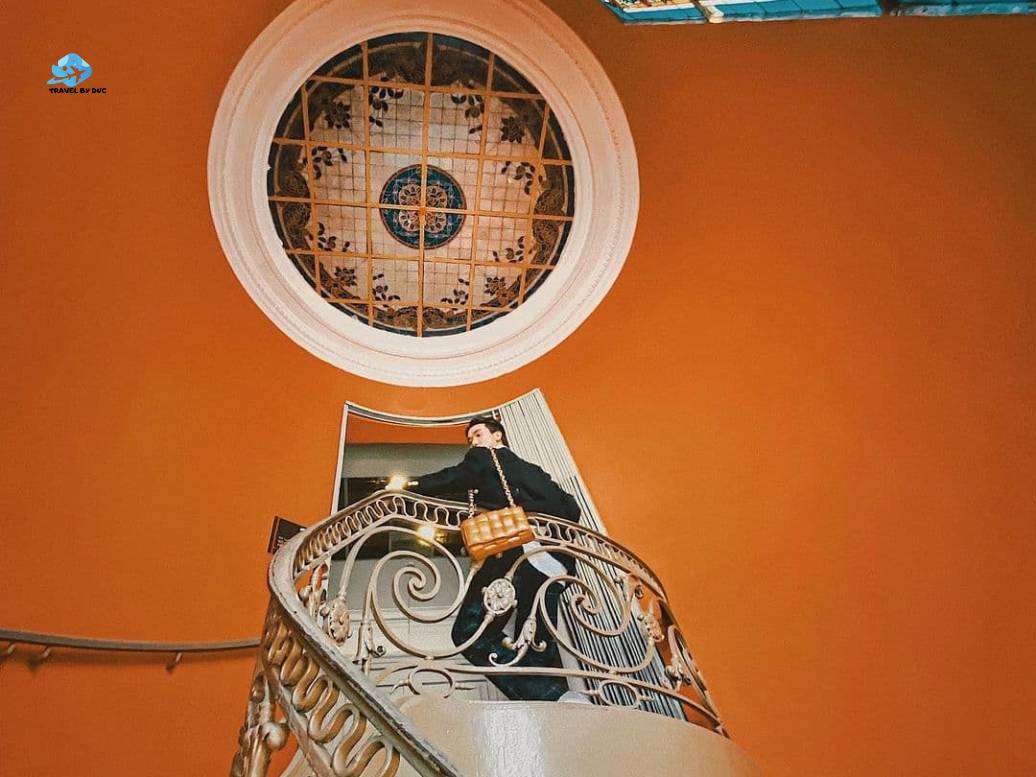
Walking slowly between rooms without a fixed route
I found myself wandering without a plan, letting curiosity guide each step. Some rooms I passed through quickly, others held me longer without any clear reason. This unstructured movement made the experience feel more personal. The Ho Chi Minh City fine arts museum photos I took during these slow transitions felt less staged and more intuitive. Each image became part of a continuous walk rather than a collection of separate stops.
How silence influenced the way I framed each image
What stayed with me most was the silence not empty, but shared and steady. It shaped how I saw and framed everything around me. Without distraction, small details became more visible the curve of a staircase, the texture of a wall, the way light rested in a corner. In this quiet environment, the Ho Chi Minh City fine arts museum photos I captured felt softer, more considered. The absence of noise gave space for observation, and that space quietly guided each frame I chose to keep.
Noticing textures and quiet details that slowly defined my Ho Chi Minh City fine arts museum photos
As I spent more time inside the museum, I began to look beyond the larger spaces and focus on smaller, often overlooked details. The Ho Chi Minh City fine arts museum photos I captured started to shift away from wide views and toward close observations. It was in these subtle elements that the building felt most expressive, offering a different perspective on Ho Chi Minh what to see beyond the usual landmarks. The textures, the surfaces, the marks left by time all seemed to carry their own quiet stories. Photography became less about framing a scene and more about noticing what had always been there.
Worn surfaces peeling paint and aged materials
Some of the most memorable moments came from surfaces that showed their age. Faded paint, worn edges, and slightly uneven textures created a sense of depth that felt honest and unpolished. I found myself drawn to these details more than anything else. In many of my Ho Chi Minh City fine arts museum photos, these aged materials became the focal point not because they stood out, but because they felt real. They held a kind of quiet character that did not need to be emphasized.
Why imperfections made each photo feel more alive
At first, I thought I should avoid imperfections, but over time I realized they were what made each image feel alive. Perfect symmetry or clean surfaces felt distant, while small flaws created connection. The Ho Chi Minh City fine arts museum photos that stayed with me were the ones that embraced these irregularities. They reflected not just the space, but the passage of time within it. In those imperfections, the museum felt less like a preserved place and more like a living one, quietly changing with each passing day.
Moving away from familiar perspectives to rediscover Ho Chi Minh City fine arts museum photos in quieter and less expected ways
At some point, I realized I was no longer drawn to the main halls or the most photographed spaces. Instead, I began to look for angles that felt less obvious, less defined by expectation. The Ho Chi Minh City fine arts museum photos I captured started to reflect this shift. They were no longer about showing where I was, but about how I experienced it. By stepping away from familiar viewpoints, I found a different kind of beauty one that felt quieter, more personal, and often hidden just outside the frame of what most people stop to notice.
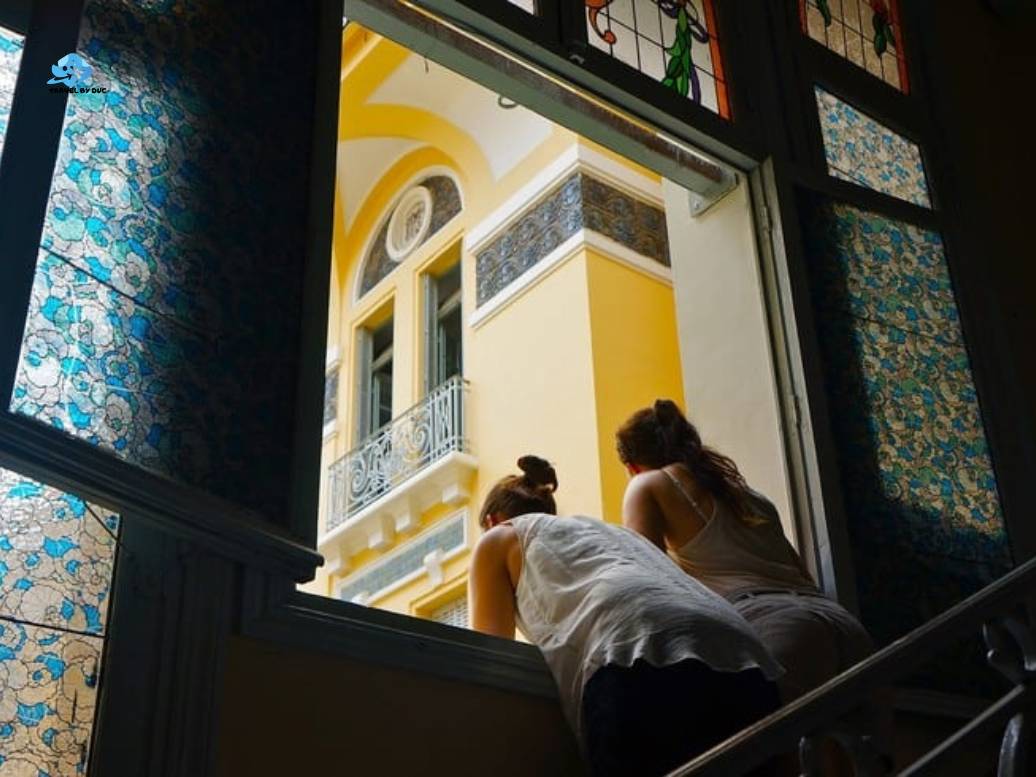
Looking beyond main halls and popular viewpoints
The larger rooms were impressive, but they also felt complete on their own, leaving little space for interpretation. I found myself moving past them, pausing instead in doorways, along staircases, or near windows where fewer people lingered. In these in-between spaces, the Ho Chi Minh City fine arts museum photos felt more open, less defined by structure. They allowed me to frame something that was not immediately obvious, something that required a moment of stillness to see.
Finding beauty in overlooked corners and transitions
Some of the most meaningful images came from places that were easy to miss corners where light faded, walls met unevenly, or spaces shifted from one room to another. These transitions held a quiet kind of movement, a sense of passage rather than destination. The Ho Chi Minh City fine arts museum photos taken in these areas carried a softness that felt honest and unforced. In those overlooked corners, I wasn’t trying to capture the museum as a whole, but simply acknowledging the subtle beauty that existed between its more visible parts.
Read more:
Jazz bar Saigon beyond expectations and intimate experiences
Fine arts museum Ho Chi Minh City and a day of art
Conclusion
Looking back, the Ho Chi Minh City fine arts museum photos I took were never about capturing something perfect or complete. They were fragments of quiet moments light resting on old walls, footsteps echoing through empty rooms, textures shaped by time rather than design. The museum did not ask to be photographed in a particular way. It simply existed, and in that stillness, it allowed me to notice more than I expected.
What stayed with me was not a single image, but a feeling of moving slowly through space without needing to rush or define anything. The Ho Chi Minh City fine arts museum photos became a reflection of that pace, shaped by observation rather than intention. In the end, the experience reminded me that sometimes the most meaningful images are not the ones we plan, but the ones we quietly discover when we are fully present.
Duc I'm a traveler who was born and raised right here in Vietnam. For decades, I’ve been exploring, and for me, traveling is much more than seeing sights. Today, through my blog, Travel by Duc, my mission is simple: to be a genuine resource to help you travel smarter, explore the world with confidence, and find a deeper sense of connection wherever you go. The world is waiting, and I look forward to exploring it together!