The first thing that caught my attention when visiting the Independence Palace was not only its historical importance, but the quiet elegance of the building itself. At first glance, the structure feels formal and symmetrical, yet the more time I spent walking through it, the more details began to stand out. Exploring independence palace architecture became less about simply viewing rooms and more about understanding how design, history, and atmosphere were connected together.

What makes independence palace architecture interesting is the way it reflects a specific period of Vietnamese history while still feeling surprisingly modern. Large open spaces, geometric lines, long corridors, and carefully planned natural lighting create an environment that feels calm despite the building’s political significance. Instead of appearing overly decorative, the architecture feels practical, balanced, and intentionally designed for both function and symbolism.

As I moved from room to room, I started noticing how each area carried a slightly different mood. Some spaces felt official and formal, while others felt quieter and more personal. The combination of preserved interiors, vintage furniture, underground bunkers, and rooftop spaces creates an experience that changes gradually as you explore deeper into the palace.

Another thing travelers may notice about independence palace architecture is how well it interacts with the surrounding environment. Large windows, open balconies, and shaded spaces allow natural light and airflow to move throughout the building. Even in the middle of busy Ho Chi Minh City, the palace feels unexpectedly peaceful once you step inside the gates.

For travelers visiting Vietnam for the first time, the experience becomes more meaningful when you slow down and pay attention to smaller architectural details rather than only taking photos of the main halls. The textures, layouts, colors, and preserved rooms reveal a quieter side of the palace that often says as much about the past as the historical exhibits themselves.
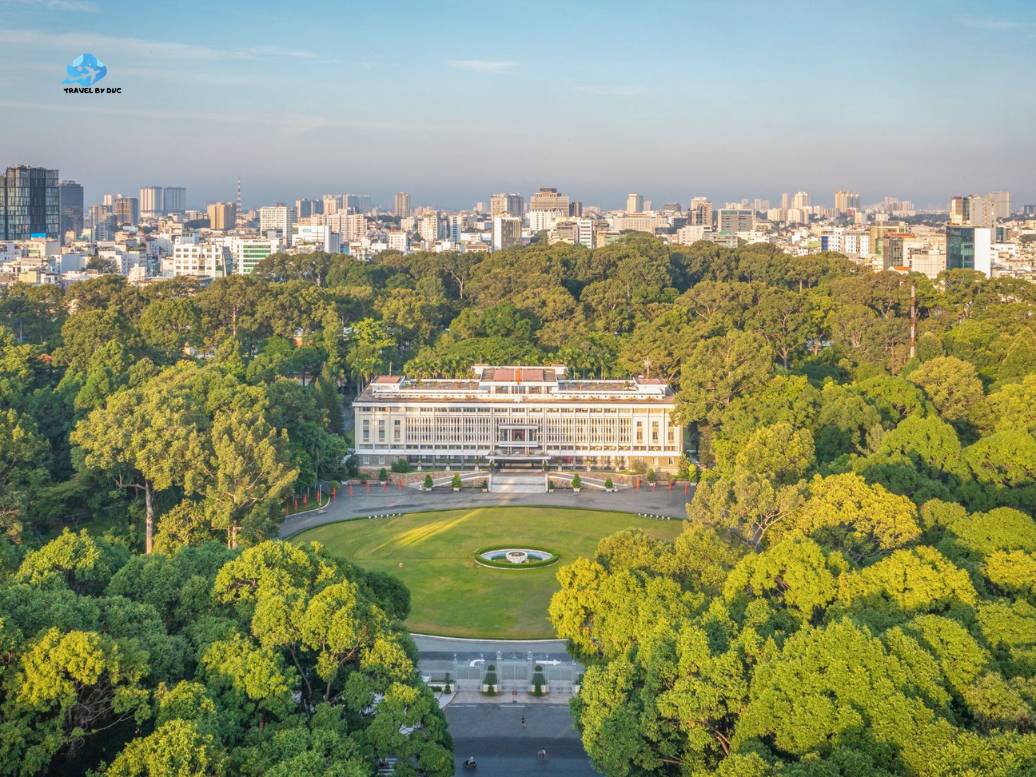
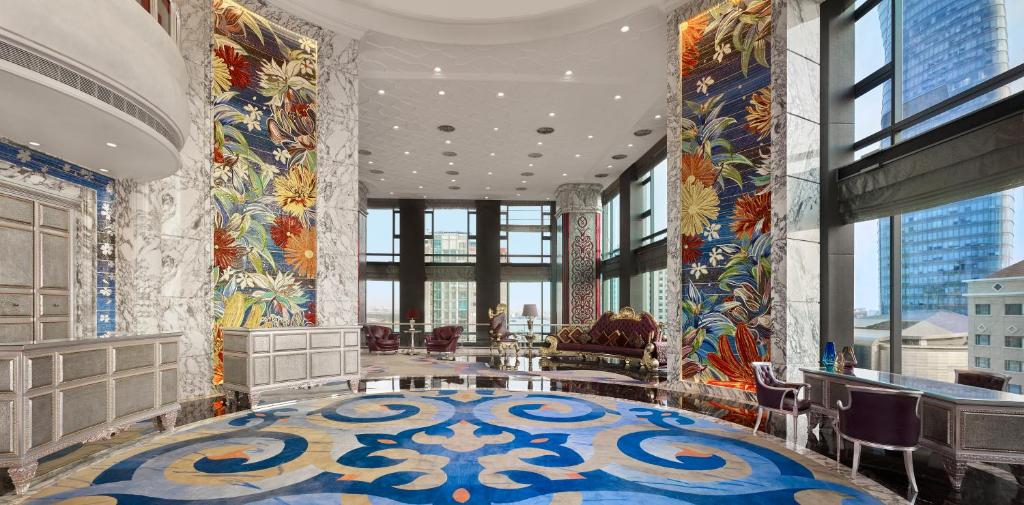
Understanding how independence palace architecture quietly reflects Vietnam’s historical identity and political transformation

Before visiting the palace, I expected independence palace architecture to feel formal and distant, almost like a building preserved only for history books. But once I stepped inside, the atmosphere felt surprisingly human and balanced. The architecture did not try to overwhelm visitors with decoration or excessive grandeur. Instead, it created a calm environment where history seemed to exist naturally within the space itself.

What stayed with me most about independence palace architecture was the feeling that every room carried traces of another period in Vietnam’s story. Walking through the wide corridors and carefully designed halls felt less like entering a museum and more like stepping into a place where important decisions once shaped the direction of the country. The building itself seemed to communicate history quietly through space, structure, and atmosphere rather than through words alone.

What travelers should notice when exploring independence palace architecture

How the building reflects Vietnam’s political history

As I explored further, I began to understand how closely independence palace architecture is connected to Vietnam’s political history. The palace was not only designed as an administrative building, but also as a symbol of authority, stability, and national identity during a complicated historical period.

Some rooms felt highly ceremonial, especially the large meeting halls and reception spaces where political discussions once took place. At the same time, other areas such as underground command rooms and communication centers revealed a more tense and practical side of the building’s history. What made independence palace architecture interesting was the way these different layers political symbolism and wartime functionality existed together within the same structure.

Instead of presenting history dramatically, the palace allows visitors to observe it gradually through the environment itself. That subtle approach made the experience feel more personal and reflective during my visit.

The balance between symbolism and practical design

Another detail I appreciated about independence palace architecture was the balance between symbolism and practicality. While the building carries strong historical meaning, it never feels excessively heavy or intimidating. Natural light moves easily through the interior, open spaces create airflow, and many rooms feel designed for comfort as much as for ceremony.

I noticed that independence palace architecture combines modern architectural ideas with Vietnamese cultural influences in a very restrained way. Geometric patterns, spacious balconies, and carefully planned layouts give the building a sense of order without making it feel cold. Even after spending several hours inside, the atmosphere remained calm and surprisingly peaceful.

For travelers, this balance is part of what makes the palace memorable. Independence palace architecture is not only important because of historical events, but also because the building itself demonstrates how architecture can quietly express identity, politics, and everyday human experience all at the same time.

The most luxury 5 star hotels in Ho Chi Minh

3 smart choices for 5 stat hotels in Ho Chi Minh, Vietnam

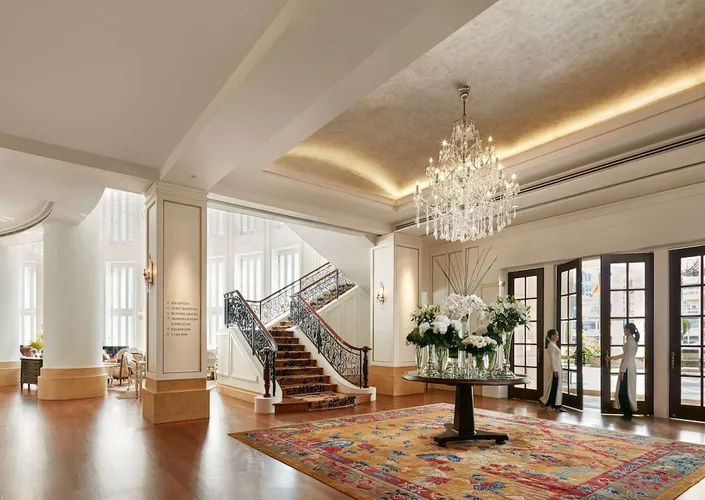
The Reverie Saigon

Price

Park Hyatt Saigon

Price
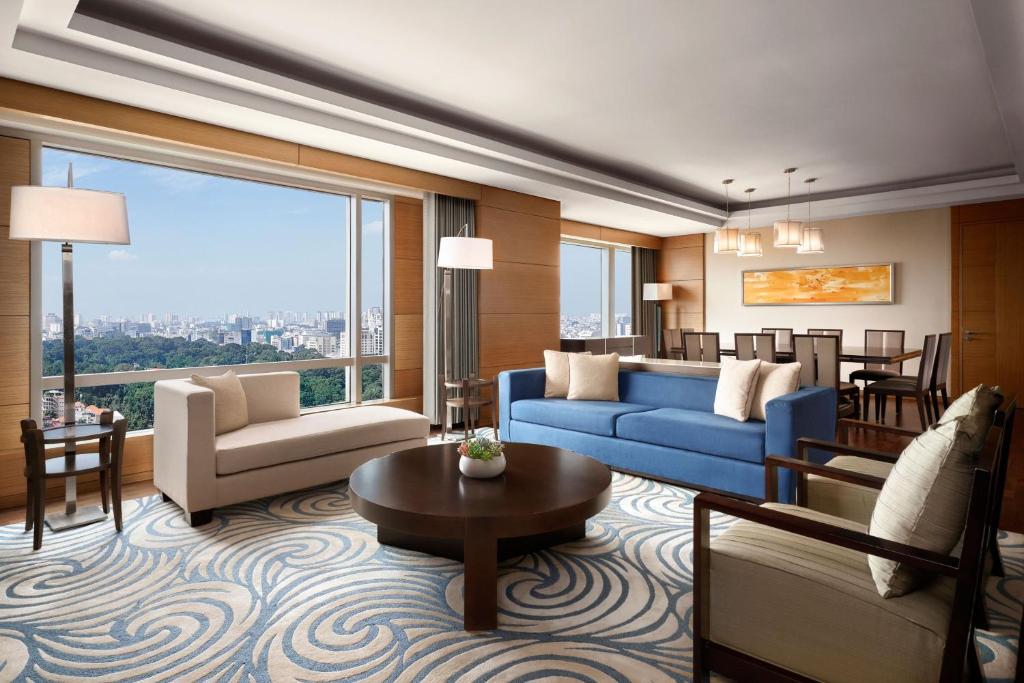
JW Marriott Hotel & Suits
Price

Exploring the architectural details inside Independence Palace that quietly reveal the character of the entire building

While walking through the palace, I realized that independence palace architecture is not something you fully appreciate from the outside alone. The building becomes much more interesting once you begin noticing the smaller details inside the rooms, hallways, and open spaces. At first, I was focused mainly on the historical importance of the palace, but gradually my attention shifted toward the way the architecture shaped the atmosphere itself.

What impressed me most about independence palace architecture was how calm and balanced the interior felt despite the political history connected to the building. Nothing seemed overly decorative or excessive. Instead, the design relied on space, light, proportion, and subtle symbolism to create an environment that felt both official and surprisingly comfortable at the same time.

Exploring the architectural details inside Independence Palace that quietly reveal the character of the entire building

Open spaces natural lighting and geometric patterns

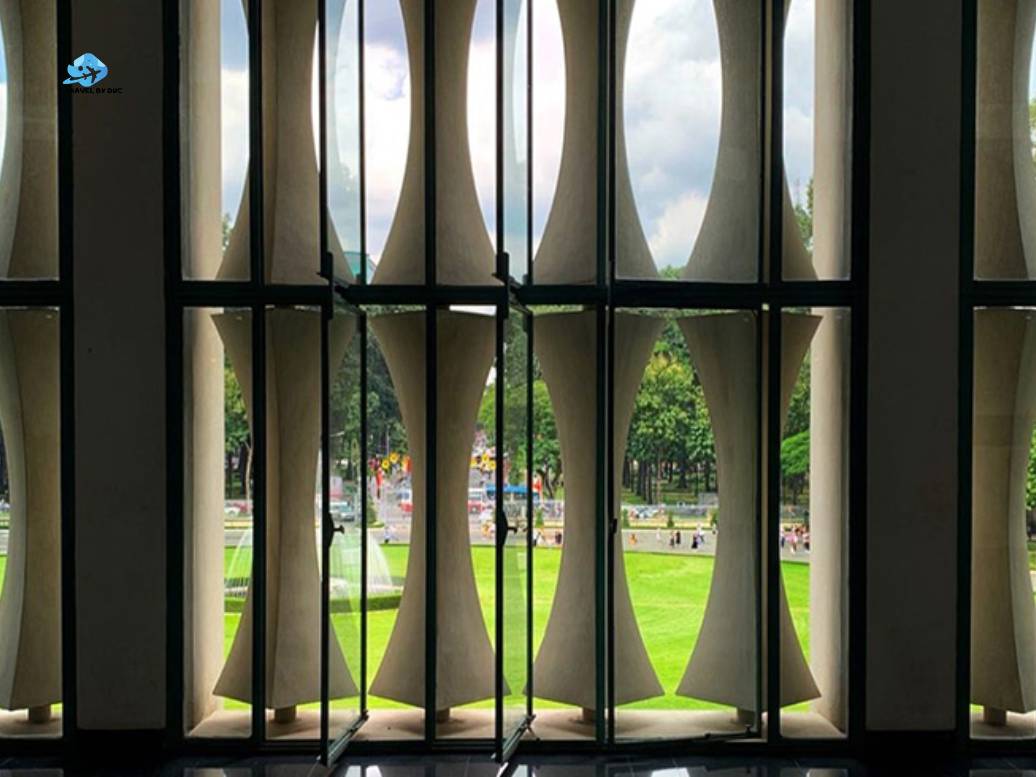
One of the first things I noticed about independence palace architecture was the use of open space and natural light. Large windows allowed sunlight to move softly through the building, making even formal rooms feel airy rather than closed or intimidating. As I walked from one floor to another, the changing light created a different atmosphere throughout the day.

The geometric patterns throughout the palace also stood out to me. They appeared in walls, screens, railings, and decorative details without ever feeling overwhelming. What I appreciated was how independence palace architecture used these patterns to create visual balance while still maintaining a modern appearance. The design felt connected to Vietnamese aesthetics in a subtle way rather than relying on obvious historical decoration.

Because of these details, the palace never felt heavy despite its historical significance. Instead, the architecture created a calm rhythm that encouraged visitors to slow down and observe the environment more carefully.

Meeting rooms reception halls and symbolic interiors

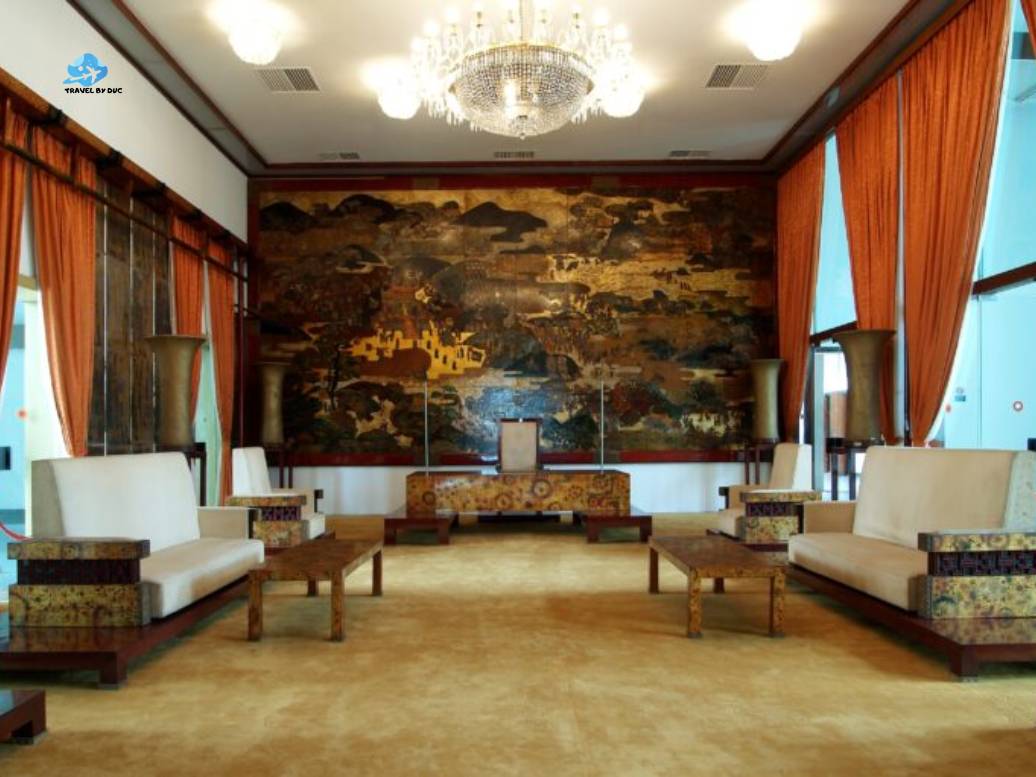
As I continued exploring, the larger meeting rooms and reception halls revealed another side of independence palace architecture. These spaces felt more formal and ceremonial, designed to reflect authority and political importance during an important period of Vietnamese history.

Some reception areas were arranged very symmetrically, with carefully positioned furniture, wide open layouts, and restrained decorative elements. Rather than feeling luxurious in an excessive way, the interiors felt controlled and purposeful. I found that independence palace architecture often communicates symbolism through simplicity instead of dramatic ornamentation.

What stayed with me most was how different each room felt emotionally. Some spaces felt diplomatic and official, while others felt unexpectedly quiet and personal. Exploring these interiors slowly made me realize that the palace is not only historically important it is also architecturally thoughtful in the way it guides visitors through changing moods, perspectives, and layers of history.

The best budget hotels in Ho Chi Minh

Havana Airport

Price

Sonata Residence

Price

The One Premium

Price

The Hammock Hotel Global City

Price

Discovering the underground bunker and hidden spaces that reveal another side of independence palace architecture

While the upper floors of the palace felt open, elegant, and filled with natural light, the atmosphere changed completely once I entered the underground areas. Exploring these hidden sections became one of the most memorable parts of experiencing independence palace architecture because the contrast between the calm surface and the bunker below felt unexpectedly powerful. For travelers wondering about meaningful Saigon what to do experiences beyond cafés and nightlife, this part of the palace offers something far more reflective and historically immersive.

Walking down into the underground levels, the air became quieter and heavier. The narrow corridors, thick walls, and smaller rooms created a completely different emotional feeling compared to the spacious reception halls upstairs. What surprised me most was how independence palace architecture was designed not only for political ceremony, but also for protection, communication, and wartime strategy.

The deeper I explored, the more I understood that these underground spaces were not simply historical exhibits. They were once active operational areas where critical decisions and communications took place during periods of uncertainty and conflict. Visiting these hidden areas quickly became one of the most memorable answers to the question of Saigon what to do, especially for travelers interested in understanding the deeper historical side of Ho Chi Minh City.

Discovering the underground bunker and hidden spaces that reveal another side of independence palace architecture

Communication rooms maps and military equipment

One of the most fascinating parts of the underground area was seeing the preserved communication rooms filled with old equipment, telephones, radio systems, and military maps. Unlike the brighter ceremonial rooms above ground, these spaces felt practical and intensely functional.

As I moved through the bunker, independence palace architecture began to feel much more layered. The palace was no longer only a symbol of political authority it also revealed the hidden infrastructure necessary during wartime operations. Seeing the communication equipment still arranged inside the rooms created the feeling that time had paused there decades ago.

What stayed with me most was the simplicity of these underground spaces. The design focused entirely on efficiency and security rather than appearance. That contrast made the experience feel more authentic and emotionally impactful during my visit.

How the underground design supported wartime operations

The underground bunker also helped me understand how carefully independence palace architecture was planned beyond what visitors immediately see on the surface. Thick concrete walls, protected corridors, reinforced rooms, and multiple communication areas were all designed to support wartime operations and emergency decision making.

While walking through these spaces, I started imagining how different the atmosphere must have felt during periods of political tension. Even though the bunker is quiet today, the structure itself still carries a sense of urgency and purpose. Independence palace architecture revealed not only the public face of government, but also the hidden systems designed to function during moments of crisis.

For travelers, the underground area offers a very different perspective compared to the elegant halls upstairs. It transforms the palace from simply a historical landmark into a much more human and complex place one where architecture, politics, and survival became deeply connected beneath the surface of the city.

Read more:

Discovering the history inside Reunification Palace Ho Chi Minh City

Why travelers should learn about independence palace history

Conclusion

Looking back, what stayed with me most about independence palace architecture was not only its historical importance, but the atmosphere it created while moving through the building. Before visiting, I expected to see a formal historical landmark connected to Vietnam’s political past. Instead, I found a space that felt surprisingly balanced calm on the surface, yet layered with deeper historical meaning underneath.

As I explored the palace room by room, I realized that independence palace architecture quietly tells its story through light, space, structure, and contrast. The open reception halls, geometric patterns, and peaceful courtyards created one feeling, while the underground bunkers and communication rooms revealed something far more tense and complex beneath the surface. Experiencing both sides of the palace made the visit feel much more personal and memorable.

What impressed me most was how independence palace architecture manages to feel symbolic without becoming overwhelming. Even though the building is connected to major historical events, the design remains restrained, thoughtful, and deeply human. It allows visitors to reflect rather than simply observe.

For travelers visiting Ho Chi Minh City, Independence Palace is more than a historical attraction. It is a place where architecture and history quietly merge together, offering insight into Vietnam’s past while still feeling calm and relevant in the present day. The longer I spent there, the more I understood that some buildings are memorable not because they are grand, but because they continue to hold emotion, atmosphere, and history within their walls long after the events themselves have passed.

TravelbyDuc

Duc

I'm a traveler who was born and raised right here in Vietnam. For decades, I’ve been exploring, and for me, traveling is much more than seeing sights.

Today, through my blog, Travel by Duc, my mission is simple: to be a genuine resource to help you travel smarter, explore the world with confidence, and find a deeper sense of connection wherever you go.

The world is waiting, and I look forward to exploring it together!