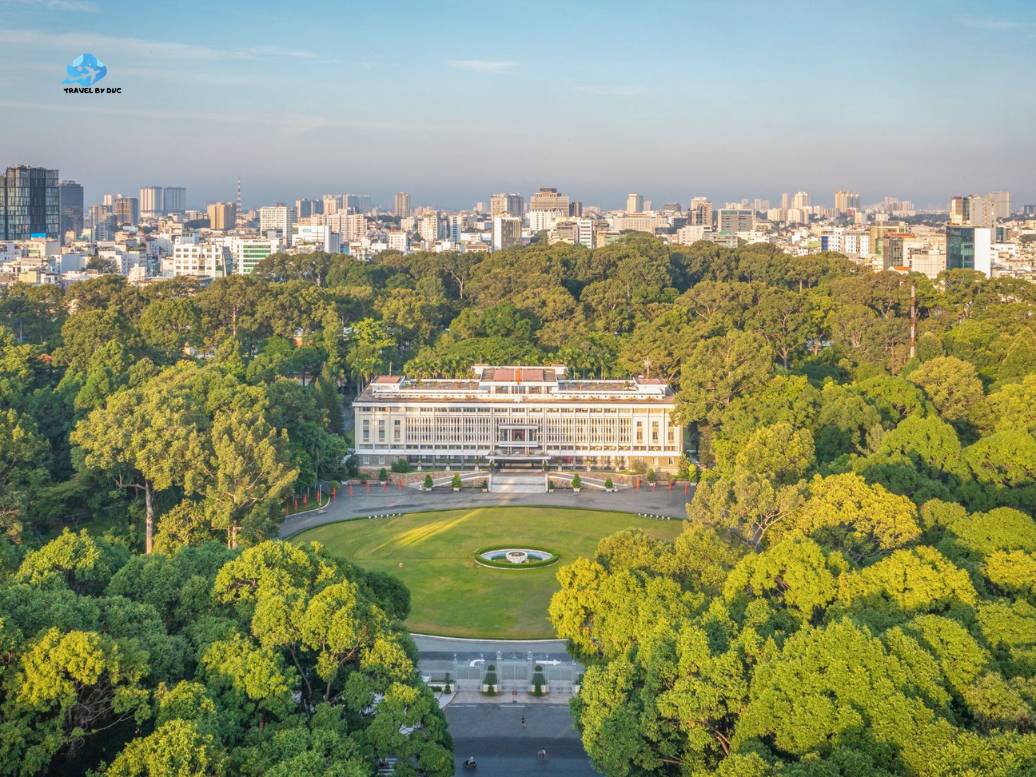
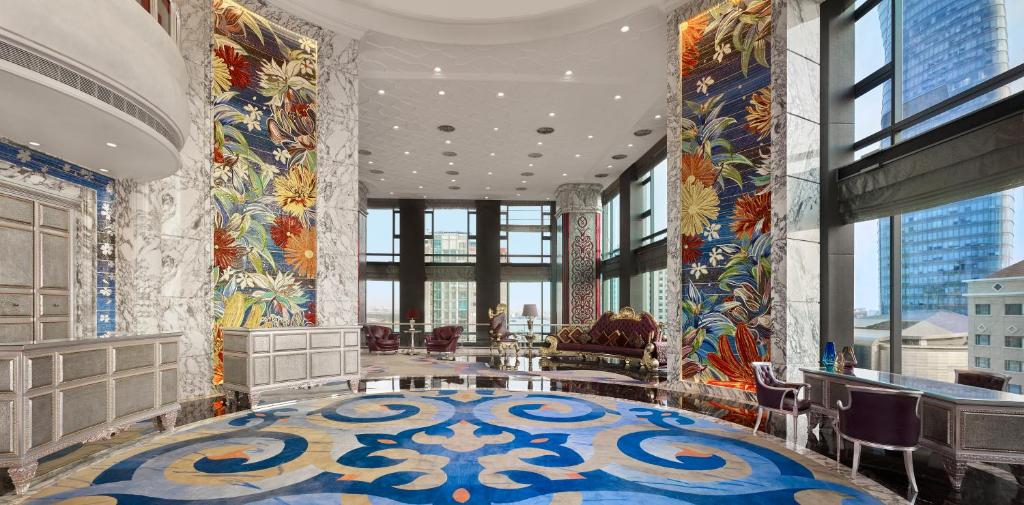
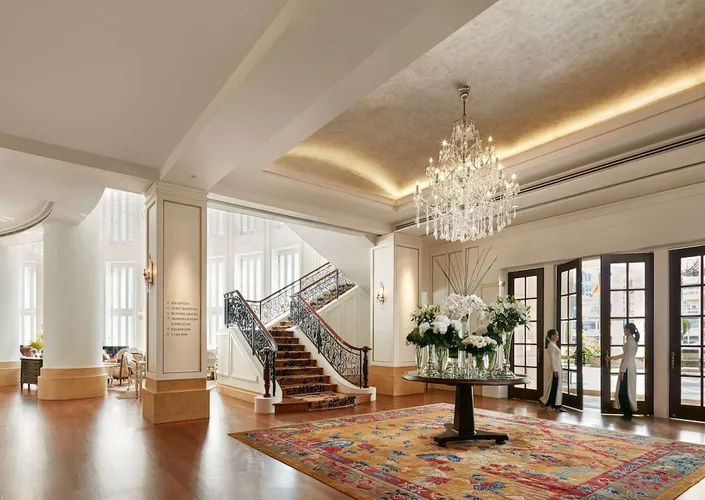
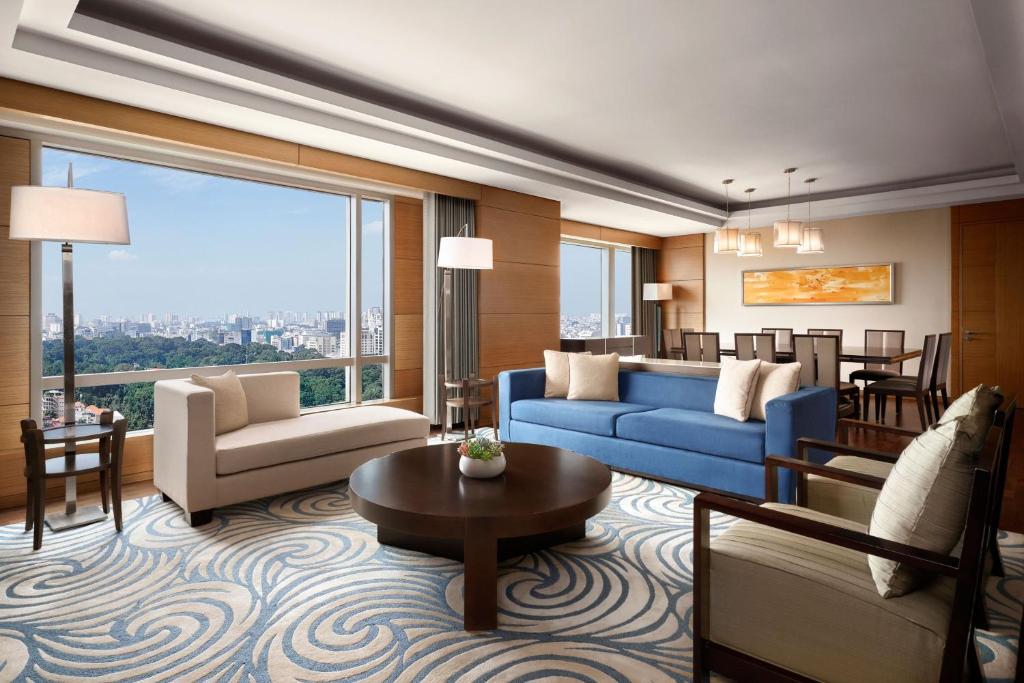
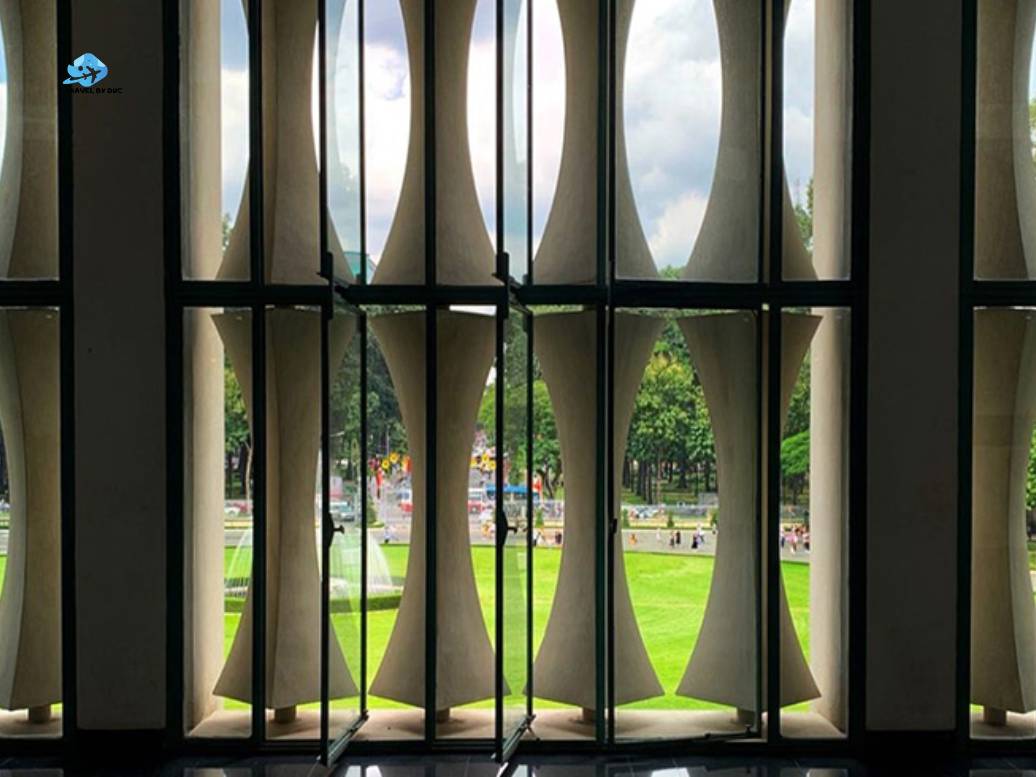
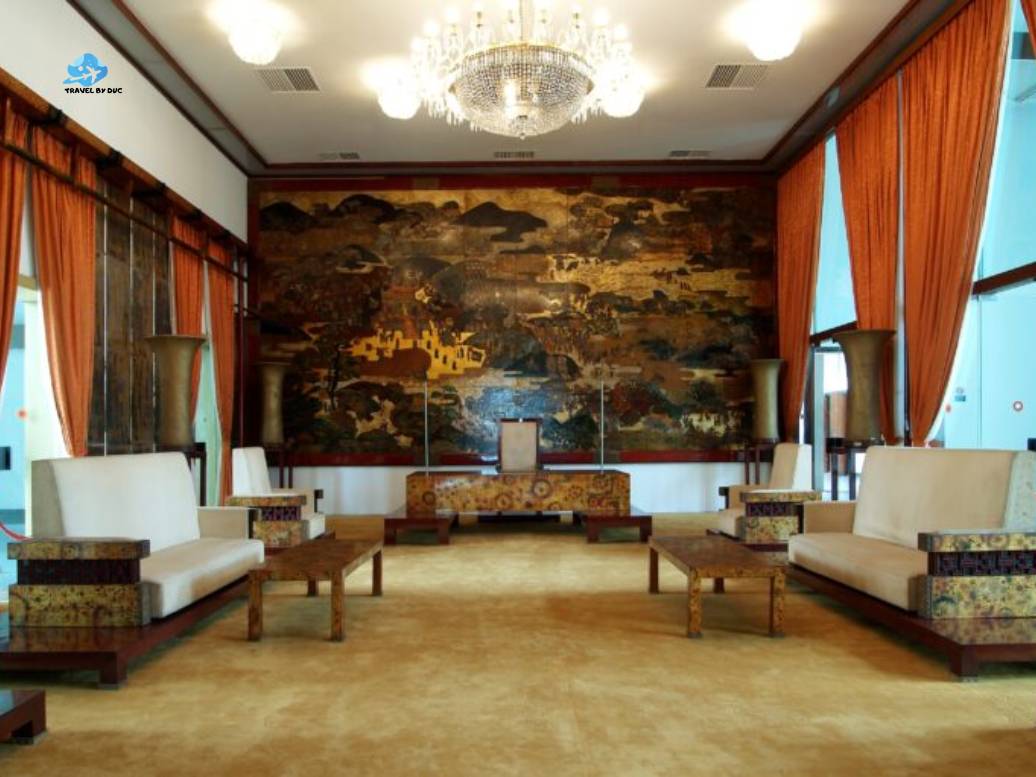
The first thing that caught my attention when visiting the Independence Palace was not only its historical importance, but the quiet elegance of the building itself. At first glance, the structure feels formal and symmetrical, yet the more time I spent walking through it, the more details began to stand out. Exploring independence palace architecture became less about simply viewing rooms and more about understanding how design, history, and atmosphere were connected together.
What makes independence palace architecture interesting is the way it reflects a specific period of Vietnamese history while still feeling surprisingly modern. Large open spaces, geometric lines, long corridors, and carefully planned natural lighting create an environment that feels calm despite the building’s political significance. Instead of appearing overly decorative, the architecture feels practical, balanced, and intentionally designed for both function and symbolism.
As I moved from room to room, I started noticing how each area carried a slightly different mood. Some spaces felt official and formal, while others felt quieter and more personal. The combination of preserved interiors, vintage furniture, underground bunkers, and rooftop spaces creates an experience that changes gradually as you explore deeper into the palace.
Another thing travelers may notice about independence palace architecture is how well it interacts with the surrounding environment. Large windows, open balconies, and shaded spaces allow natural light and airflow to move throughout the building. Even in the middle of busy Ho Chi Minh City, the palace feels unexpectedly peaceful once you step inside the gates.
For travelers visiting Vietnam for the first time, the experience becomes more meaningful when you slow down and pay attention to smaller architectural details rather than only taking photos of the main halls. The textures, layouts, colors, and preserved rooms reveal a quieter side of the palace that often says as much about the past as the historical exhibits themselves.