Before visiting Vietnam, I honestly did not expect history to become one of the most memorable parts of my journey. Like many travelers, I initially focused more on food, cafés, nightlife, and famous sightseeing locations around Saigon. But after spending time exploring the stories connected to independence palace history, I realized the experience offered a much deeper understanding of the city itself.
What surprised me most was how emotionally connected the palace still feels to modern Ho Chi Minh City. Even though the building stands as an important historical landmark, the atmosphere inside never felt distant or overly formal. Instead, walking through the preserved rooms, quiet hallways, and underground bunkers created the feeling that history was still quietly present around me.
Learning about independence palace history also changed the way I viewed Saigon afterward. Outside the palace, the city feels energetic, modern, and constantly moving. But inside, everything slows down. Visitors begin to notice details more carefully old communication rooms, preserved furniture, meeting halls, and historical spaces that once played important roles in shaping Vietnam’s future.
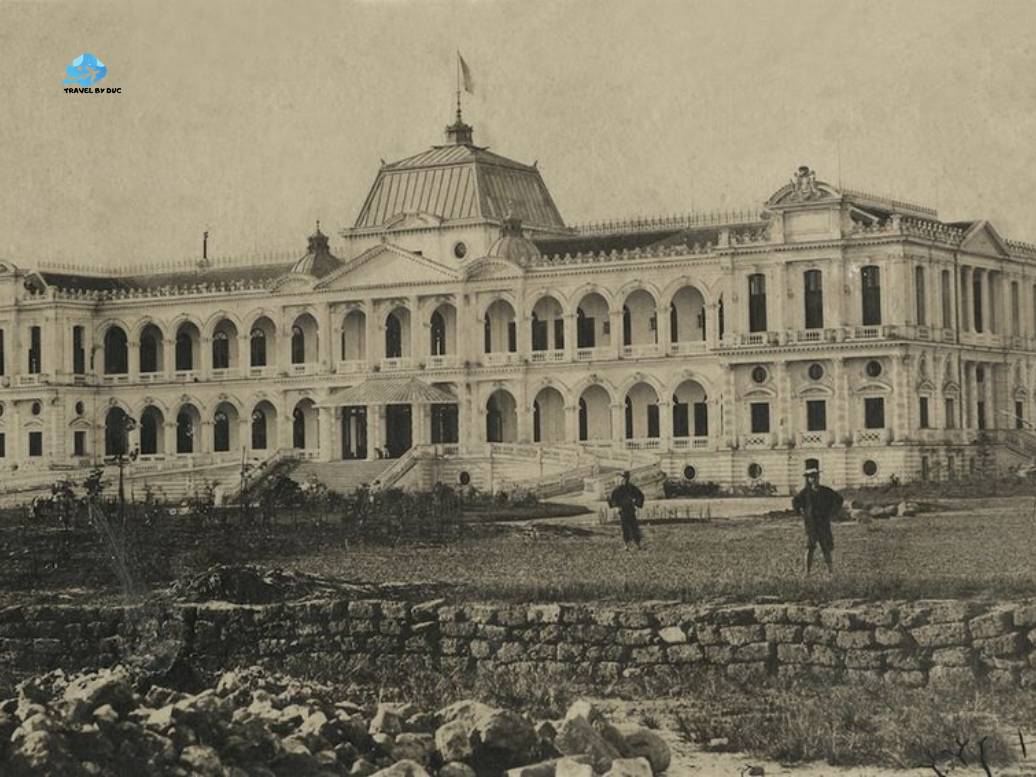
I personally appreciated how accessible the experience felt for foreign travelers. Even without deep historical knowledge before visiting, the atmosphere naturally encourages curiosity and reflection. Rather than simply reading information on signs, visitors physically walk through spaces connected to real historical events, which makes the experience far more emotional and memorable.
For travelers searching for meaningful stuff to do in Saigon, I honestly think learning about independence palace history offers one of the most valuable cultural experiences in the city. Beyond sightseeing, it allows visitors to better understand Vietnam’s past while experiencing a quieter and more thoughtful side of Ho Chi Minh City that many tourists do not expect before arriving.
Why learning about independence palace history feels far more emotional and personal than most travelers expect
Before visiting the palace, I assumed independence palace history would mainly feel educational informative displays, preserved rooms, and historical timelines explaining important events from Vietnam’s past. But after spending time inside the building, I realized the experience felt much more emotional than I originally imagined.
What surprised me most was how strongly the atmosphere affected the entire visit. Even though the palace stands in the middle of busy Ho Chi Minh City, the environment inside feels unexpectedly calm and reflective. Walking slowly through the preserved halls and quiet rooms created the feeling that history was not simply being displayed, but still quietly existing around me.
I also noticed that independence palace history feels personal in a way many historical attractions often do not. Instead of standing behind barriers looking at distant artifacts, visitors physically move through spaces where important conversations, political decisions, and daily activities once happened. That direct connection makes the experience feel much more human and emotionally real.
For foreign travelers searching for meaningful stuff to do in Saigon, I honestly think learning about independence palace history offers one of the most memorable cultural experiences in the city. Beyond sightseeing, it becomes an opportunity to slow down, reflect, and understand another side of Vietnam that many visitors do not fully expect before arriving.
Escaping The Busy Atmosphere Outside The Palace
One of the first things I noticed while exploring independence palace history was how dramatically the atmosphere changed after entering the palace grounds. Only a few moments earlier, I had been surrounded by the usual rhythm of Saigon traffic, motorbikes, crowded intersections, and nonstop movement across the city center.
But once inside the palace area, everything suddenly felt quieter and slower. Large green spaces, open pathways, and the calm architectural surroundings created an atmosphere completely different from the busy streets outside. I personally found myself walking more slowly without even realizing it because the environment naturally encouraged visitors to relax and observe the details around them.
What I appreciated most was how this peaceful atmosphere helped the emotional side of independence palace history feel stronger. Instead of rushing quickly through the building, visitors have time to reflect on the historical significance of the rooms and spaces surrounding them.
For travelers spending several intense days exploring Ho Chi Minh City, I think this contrast becomes one of the reasons why the palace experience feels so memorable afterward.
How The Preserved Rooms Create A Connection To The Past
As I continued exploring the palace, I became increasingly fascinated by how carefully the rooms connected visitors to the past. Many spaces inside still appear remarkably preserved meeting halls, communication rooms, offices, reception areas, and even smaller personal spaces that continue reflecting another era of Saigon.
What made independence palace history feel especially emotional for me was not simply the objects inside the rooms, but the atmosphere they created together. Old furniture, telephones, maps, curtains, lighting, and preserved decorations all helped the building feel authentic rather than heavily redesigned for tourism.
I personally found myself imagining what daily life inside the palace may have looked like decades ago. Some rooms felt formal and political, while others unexpectedly felt quiet and human. That balance made the history feel more alive because the building still carries traces of real people and real moments connected to Vietnam’s past.
I also noticed that many visitors naturally lowered their voices while exploring these preserved areas. The silence inside certain rooms created a feeling of respect that made the experience feel far more personal than simply visiting a museum filled with display cases.
Why Visitors Naturally Slow Down While Exploring
One thing I did not expect while learning about independence palace history was how naturally the experience encouraged people to slow down. In many tourist attractions, visitors quickly move from one photo spot to another while checking schedules or rushing toward the next destination. But inside the palace, the atmosphere feels completely different.
The quiet environment, spacious hallways, and preserved historical details create a slower rhythm that changes how people move through the building. I personally noticed myself spending longer amounts of time in certain rooms simply observing the atmosphere rather than focusing only on taking pictures.
What I appreciated most was that the experience never felt overly commercial or designed purely for tourism. Instead, independence palace history feels reflective and authentic, allowing visitors to connect emotionally with the building rather than simply viewing it as another sightseeing stop in Saigon.
For foreign travelers visiting Vietnam for the first time, I think this slower atmosphere becomes one of the most memorable parts of the experience. The palace reminds visitors that sometimes the most meaningful travel moments happen when we pause, pay attention to small details, and allow ourselves to fully experience the atmosphere surrounding us.
What surprised me most while experiencing the atmosphere and preserved spaces connected to independence palace history
Before visiting the palace, I expected independence palace history to feel mostly educational something important to learn about, but emotionally distant from everyday travel experiences. Instead, the visit became one of the most reflective and memorable parts of my time in Ho Chi Minh City.
What surprised me most was how strongly the atmosphere inside the palace shaped the entire experience. Rather than feeling like a traditional museum filled with display cases and crowded tour groups, the building still carries a calm and authentic feeling that allows visitors to connect naturally with the past. Walking through the preserved rooms, underground areas, and quiet hallways created the sense that history here still feels alive rather than frozen behind glass.
I also appreciated how accessible independence palace history felt for foreign travelers. Even without deep historical knowledge before visiting, the atmosphere itself encourages curiosity and emotional reflection. Instead of simply reading historical information, visitors physically move through the spaces where important moments once happened, making the experience feel much more personal and real.
For travelers searching for meaningful stuff to do in Saigon, I honestly think exploring independence palace history offers one of the most fascinating opportunities to understand another side of Vietnam beyond modern cafés, nightlife, and busy shopping streets.
Exploring The Underground Bunker And Communication Rooms
Among all the areas connected to independence palace history, the underground bunker and communication rooms left the strongest impression on me emotionally. Walking downstairs into the darker underground corridors immediately changed the atmosphere compared to the elegant spaces above ground.
The bunker felt smaller, quieter, and more intense than I expected. Old communication equipment, preserved operational rooms, maps, and narrow hallways still remain inside, allowing visitors to experience a hidden side of the palace that feels deeply connected to important historical events in Vietnam’s past.
What personally stayed with me most was how authentic the underground areas felt. Nothing appeared overly modernized or redesigned for tourism. Instead, the bunker maintained a raw atmosphere that made the historical significance feel much more immediate and emotionally real.
I also noticed that visitors naturally became quieter while exploring this part of independence palace history. The silence inside the underground rooms created a reflective mood that encouraged people to slow down and think more carefully about the stories connected to the building.
For foreign travelers visiting Vietnam for the first time, I think the bunker becomes one of the most powerful parts of the palace experience because it transforms history into something visitors can physically walk through and experience themselves.
The Peaceful Atmosphere Inside The Historic Building
Another thing that surprised me while discovering independence palace history was how peaceful the atmosphere inside the building felt. Even with visitors exploring different areas of the palace, many rooms remained quiet enough that footsteps and soft conversations echoed gently through the hallways.
The calm environment created a strong contrast with the busy streets outside. Large meeting halls, elegant reception rooms, preserved offices, and quiet corridors all carried a slower rhythm that naturally encouraged visitors to observe details more carefully.
What I personally appreciated most was how the peaceful atmosphere allowed the emotional side of independence palace history to feel stronger. Instead of rushing quickly between attractions, I found myself spending extra time inside certain rooms simply absorbing the mood and imagining what life inside the palace may have once felt like.
I also loved how the palace never felt overly commercialized despite being one of the most famous landmarks in Ho Chi Minh City. The experience remained calm, respectful, and reflective throughout the visit, which made it feel much more meaningful than I originally expected before arriving.
How The Architecture Reflects Another Era Of Saigon
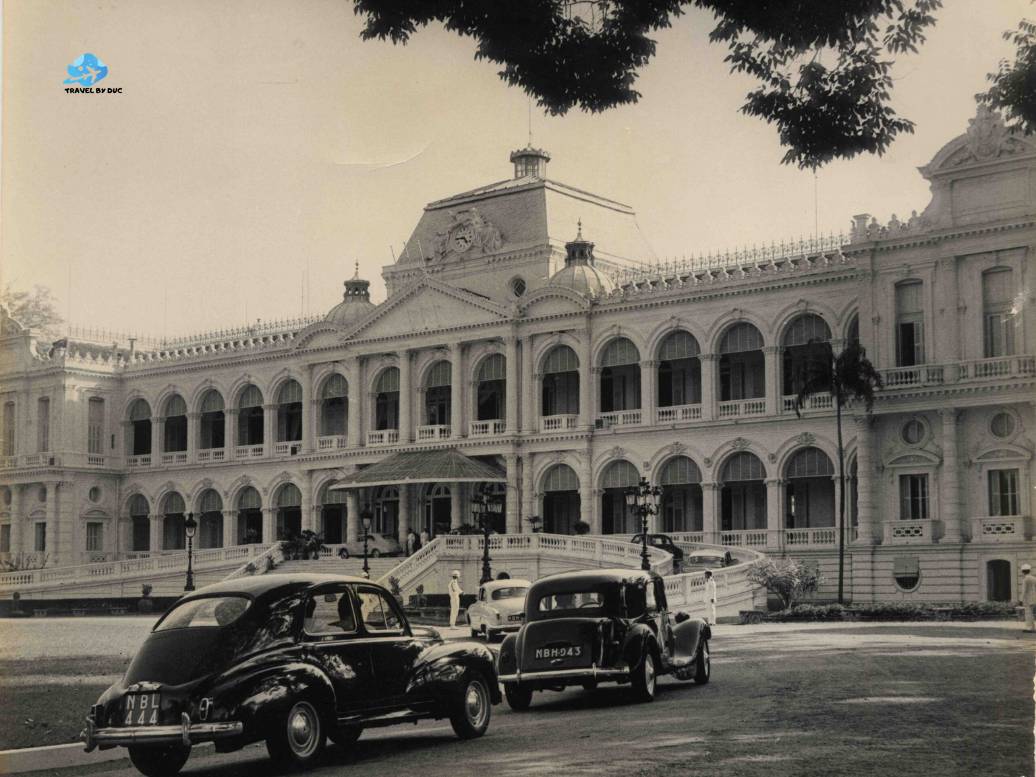
One of the most fascinating parts of exploring independence palace history was noticing how strongly the architecture still reflects another era of Saigon. Unlike many modern buildings surrounding the city today, the palace preserves a visual style that immediately feels connected to the past.
Wide staircases, geometric patterns, spacious balconies, elegant meeting rooms, and carefully designed interiors all create an atmosphere that feels both formal and peaceful at the same time. Walking through the building sometimes felt almost cinematic because every hallway and open space carried a unique historical character.
What I personally appreciated most was how the architecture balances simplicity with significance. The palace does not rely on excessive decoration or luxury to impress visitors. Instead, the clean lines and open design allow the atmosphere and historical importance of the building to become the focus naturally.
I also loved how sunlight enters many parts of the palace, creating a softer and calmer environment throughout the day. Combined with the preserved interiors and quiet atmosphere, the architecture helped make independence palace history feel less like a typical tourist attraction and more like stepping directly into another chapter of Saigon’s past.
For travelers interested in history, photography, or cultural experiences, I think the palace offers far more than a quick sightseeing stop. It becomes an opportunity to experience a preserved part of old Saigon that still quietly exists within the modern city today.
Read more:
Watching the clouds from the Ba Den mountain cable car
Discovering the history inside Reunification Palace Ho Chi Minh City
Conclusion
Looking back on my visit, I realized that discovering independence palace history became much more than simply exploring a famous historical landmark in Ho Chi Minh City. Before arriving, I expected to learn about important events from Vietnam’s past, but I did not expect the experience to feel so calm, reflective, and emotionally memorable.
What stayed with me most was the atmosphere throughout the palace itself. From the quiet meeting rooms and preserved interiors to the underground bunker and peaceful gardens outside, every part of the building carried a sense of history that still feels connected to modern Saigon today. Instead of feeling distant or heavily staged for tourism, the palace felt authentic and surprisingly personal.
I also appreciated how naturally the experience encouraged visitors to slow down. Walking through the preserved spaces made me pay closer attention to small details architecture, lighting, old communication equipment, and the silence inside certain rooms that created a much stronger emotional connection to the past than I originally expected.
For foreign travelers searching for meaningful stuff to do in Saigon, I honestly think learning about independence palace history offers one of the most valuable cultural experiences in the city. Beyond sightseeing, it gives visitors the opportunity to better understand Vietnam’s history while experiencing a quieter and more thoughtful side of Ho Chi Minh City.
In the end, what made the experience unforgettable was not only the historical significance of the palace itself, but the feeling created while exploring it. The calm atmosphere, preserved spaces, and emotional connection to the past reminded me that some of the most memorable travel experiences happen when we slow down and truly absorb the stories surrounding a place.
Duc I'm a traveler who was born and raised right here in Vietnam. For decades, I’ve been exploring, and for me, traveling is much more than seeing sights. Today, through my blog, Travel by Duc, my mission is simple: to be a genuine resource to help you travel smarter, explore the world with confidence, and find a deeper sense of connection wherever you go. The world is waiting, and I look forward to exploring it together!